In this post, we’ll take a high-level look at why raised beds are such a popular choice, especially for new gardeners and those with limited space. We’ll walk through the biggest benefits, a few downsides to consider, and what makes raised beds such a powerful tool for building a simple, productive garden right where you are.
No rototiller. No years of soil amending. Just good soil, a sturdy box, and a fresh start.
What Is a Raised Garden Bed?
A raised garden bed—sometimes called a raised garden box—is exactly what it sounds like: a container of soil that sits above the natural ground level, usually framed with wood, stone, or other natural materials.
At its core, it’s just a box filled with good soil. But the benefits it unlocks for beginners and people with small growing areas? That’s where the magic happens.
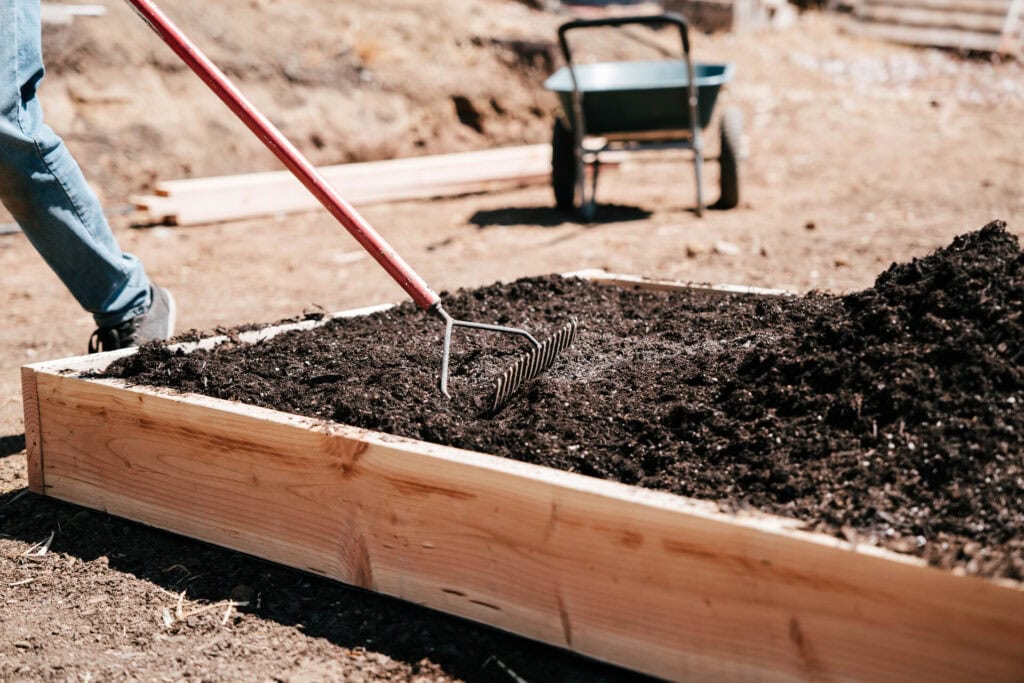
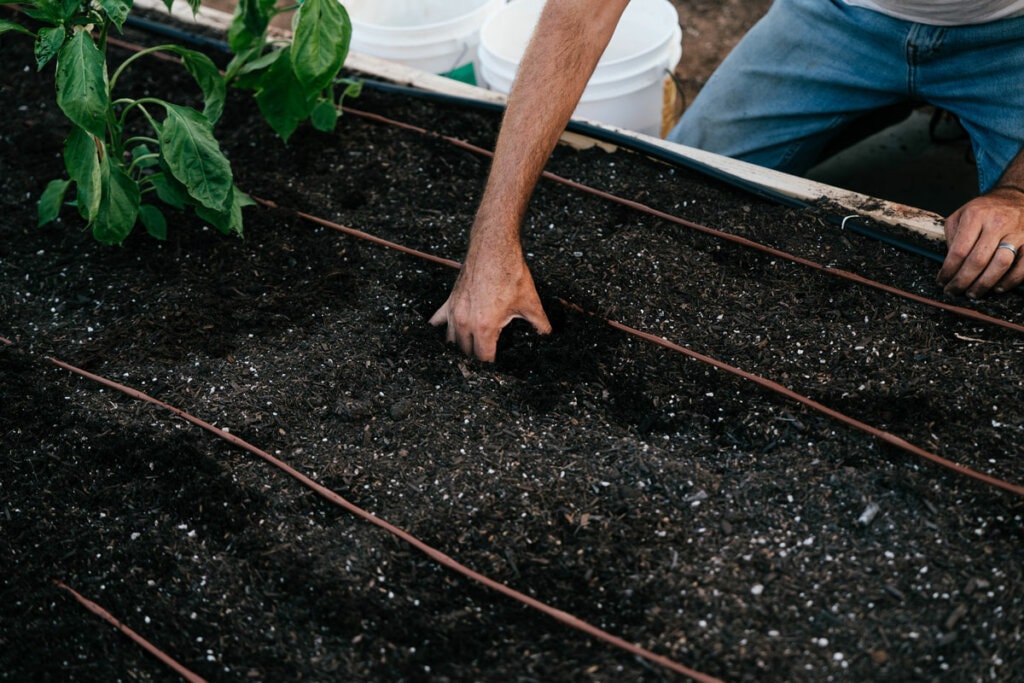
With a raised bed, you’re not limited by the quality of your native soil. You don’t have to till, dig, or spend years building fertility before you plant your first seed. You simply build your box, fill it with rich, healthy soil (we’ll help you with that here), and start growing, making it a great option for new and experienced gardeners alike.
Why Raised Beds Make Gardening Easier
One of the biggest reasons homesteaders and backyard growers turn to raised garden beds is simple: they make gardening easier. Here’s how:
Less Weeding
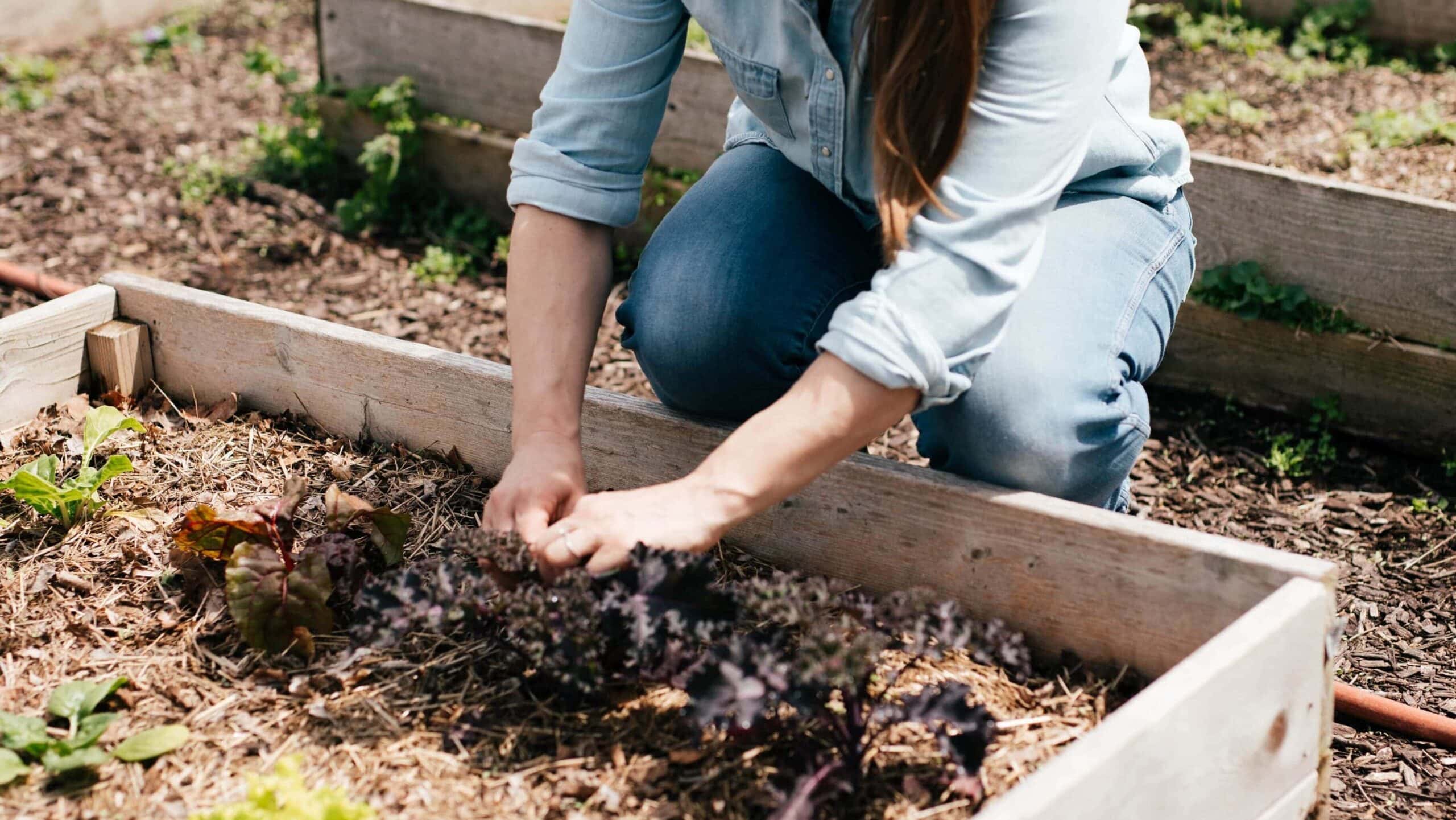
Because you’re not digging into existing ground, you’re not stirring up weed seeds that have been waiting for their moment. You start fresh—with clean soil and good mulch—and that means A LOT a lot less time spent pulling unwanted guests.
Better Drainage
A raised bed lifts your garden soil above heavy clay or compacted ground, which means water drains more evenly. Plants aren’t sitting in soggy soil after a rainstorm, and roots get the oxygen they need to grow strong.
Soil You Can Trust
With a DIY raised garden bed, you get to build your soil from the ground up (literally). That means you’re not fighting poor native dirt—you’re choosing what goes in. And if you’re wondering what the best mix is, we’ll walk you through that right here.
Easier on Your Body
No more crouching as low or straining your back to pull carrots or thin lettuce. Raised beds bring the garden closer to you, making the work more comfortable—especially for older adults or anyone with limited mobility.
A Longer Growing Season
Raised beds warm up faster in the spring and stay warmer into the fall. That can mean earlier planting, later harvesting, and more weeks of fresh food from your own backyard.
A Few Things to Keep in Mind
Like anything worth doing, raised bed gardening comes with a few tradeoffs. They’re not deal-breakers, but it helps to know what you’re signing up for.
They Can Dry Out Faster
Because raised beds are exposed on all sides, the soil can lose moisture more quickly—especially in hot, dry climates. This just means you’ll want to keep an eye on watering, especially as young plants take root. (A good layer of mulch goes a long way.)
There’s a Little Upfront Work
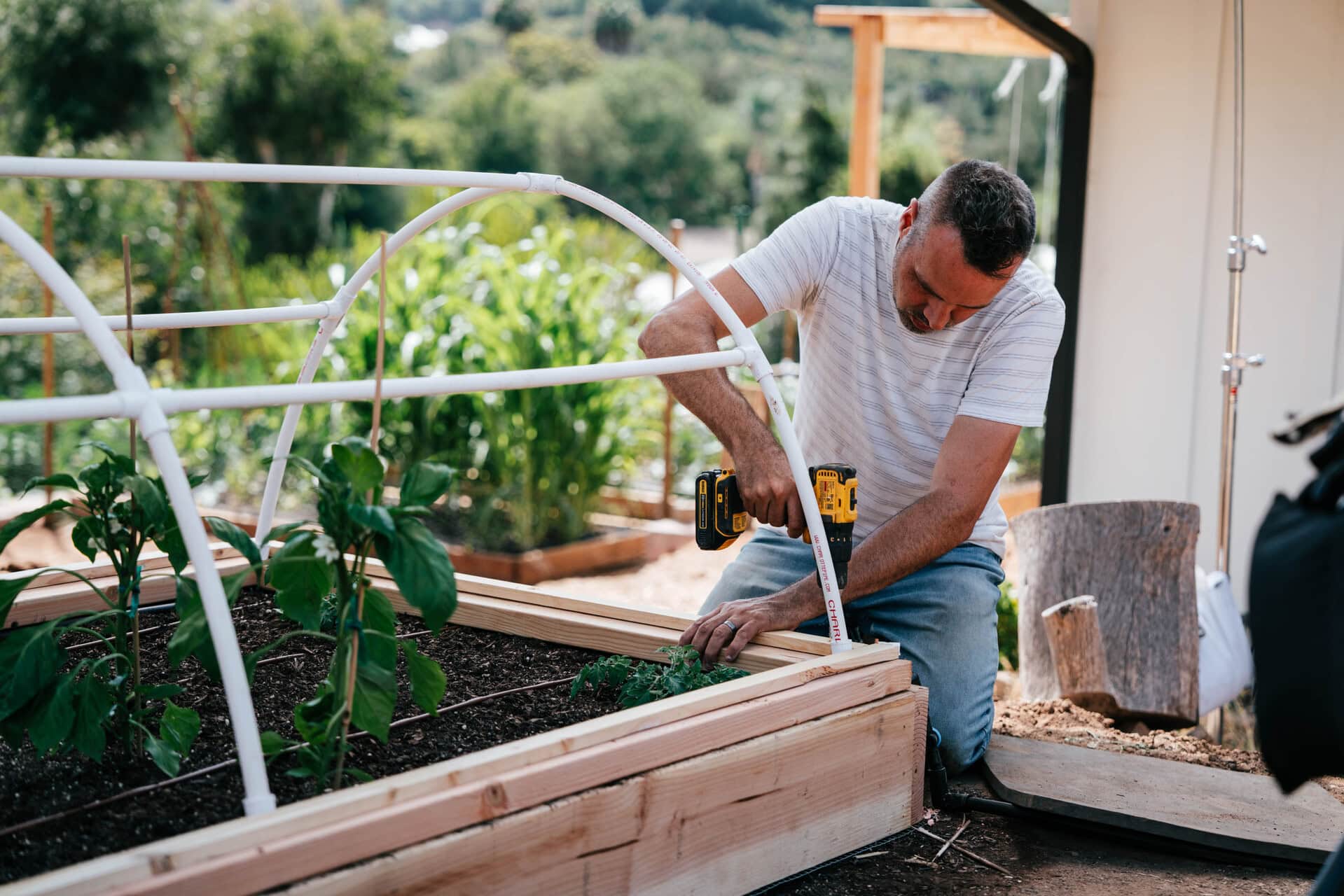
While DIY raised garden beds are simpler than digging a full garden plot, they do require a bit of setup. You’ll need materials to build the frame, and you’ll need to fill it with healthy soil.
Consider Your Climate
Your local weather patterns will certainly play a role in how you decide to build your bed. Do you live in a very humid, rain-prone area? You might opt for rot-resistant wood like cedar or black locust to build your raised bed box. Or what if you’re gardening in a hot or arid region? You will likely want to avoid metal or dark-colored beds that absorb more heat and could contribute to drying out your soil sooner. For more suggestions on how to adapt your beds to your region, see this article.
But once your beds are built, the ongoing maintenance is low and the payoff is high.
With just a little effort on the front end, you’re setting yourself up for seasons of simple, productive growing.
Ready to Build One? Start Simple.
You don’t need to be a carpenter. You don’t need fancy tools. You don’t even need to be 100% sure of what you’re going to grow.
All you need is a simple frame, some good soil, and the willingness to start. And if you prefer, you can even buy a ready-to-assemble kit.
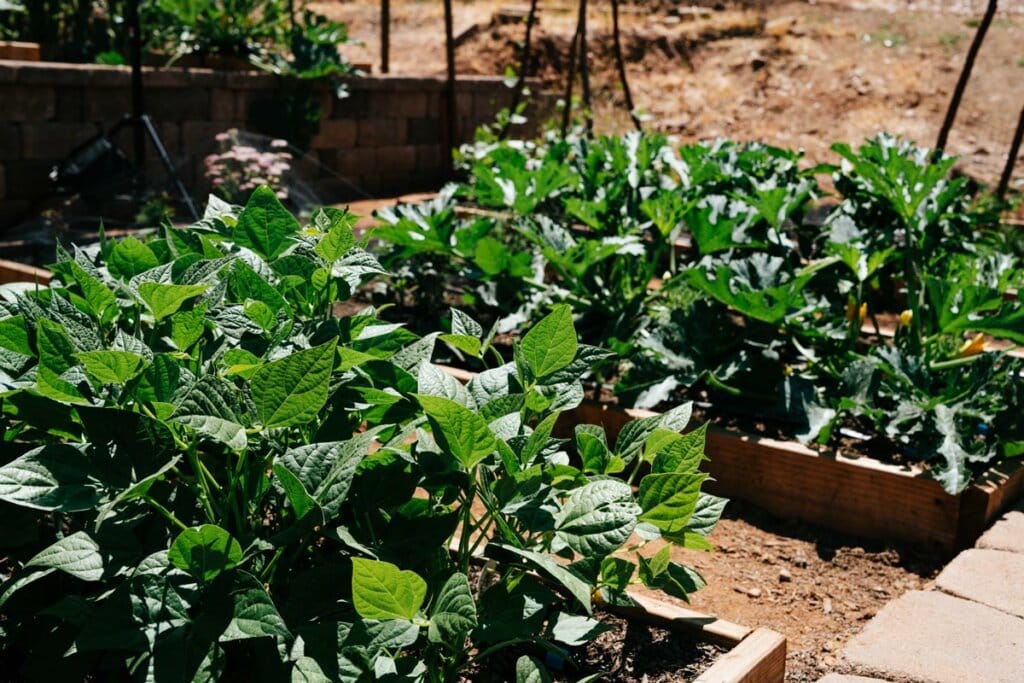
Raised garden beds are forgiving. You can build one over a weekend using scrap lumber or untreated boards (avoid pressure-treated wood) from your local store. You can add more later. And you can start small—just one box is enough to grow herbs, greens, or even a few tomatoes.
And if you’re ready to go all in, check out our class Raised Bed Gardening with Brian Lowell.
Raised Bed Gardening
Join Brian Lowell to learn the simple steps to growing abundant and healthy vegetables in simple raised beds, no matter where you live.
Your Garden, Your Way
Starting a garden doesn’t have to be complicated. With a raised garden bed, you can step into growing your own food—one box, one seed, one season at a time.