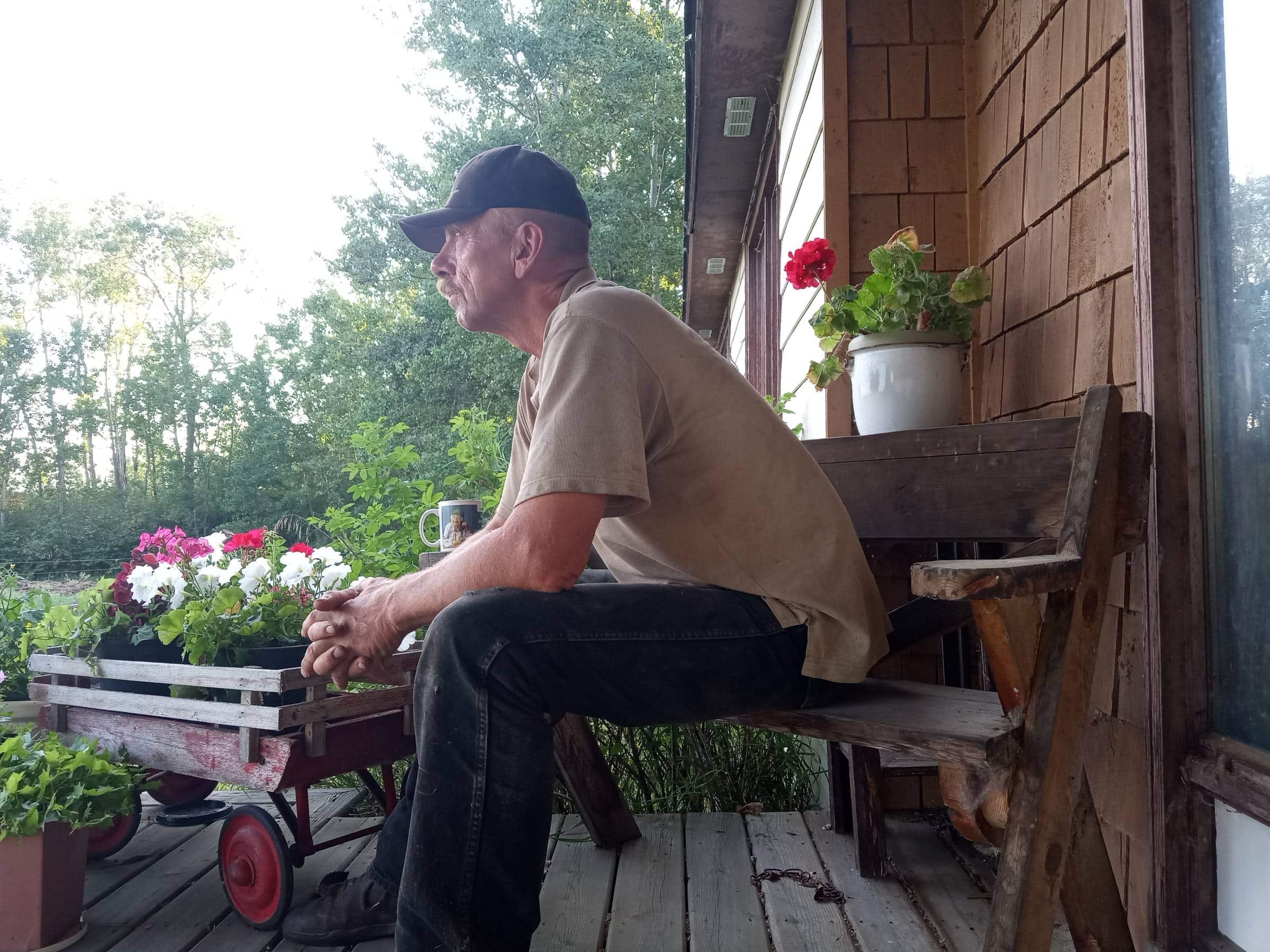
Darrell Hanson is a practical guy… so practical that he has already picked out his burial plot.
He's been thinking about the headstone inscription, too. Something short. He landed on He Tried – because if there's one thing that's been true his whole life, it's that.
He tried things that worked. (Lots.)
He tried things that didn't. (“Even more of those.”)
He lost five figures investing in a business he was trying to save with his own money. He gave himself a hernia moving a chicken tractor. During a particularly busy time in his life, he once fell asleep driving home, pulling over every five minutes to walk around his truck, and woke up in his own driveway with his foot on the brake.
He comes by his exhaustion honestly; Darrell has led an astonishingly active life, holding down several jobs while raising 170 laying hens on 80 acres in Saskatchewan by himself.
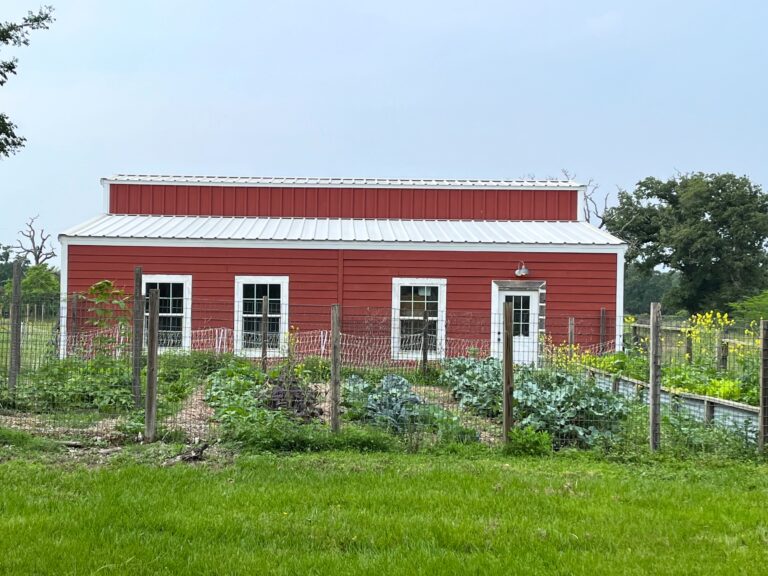
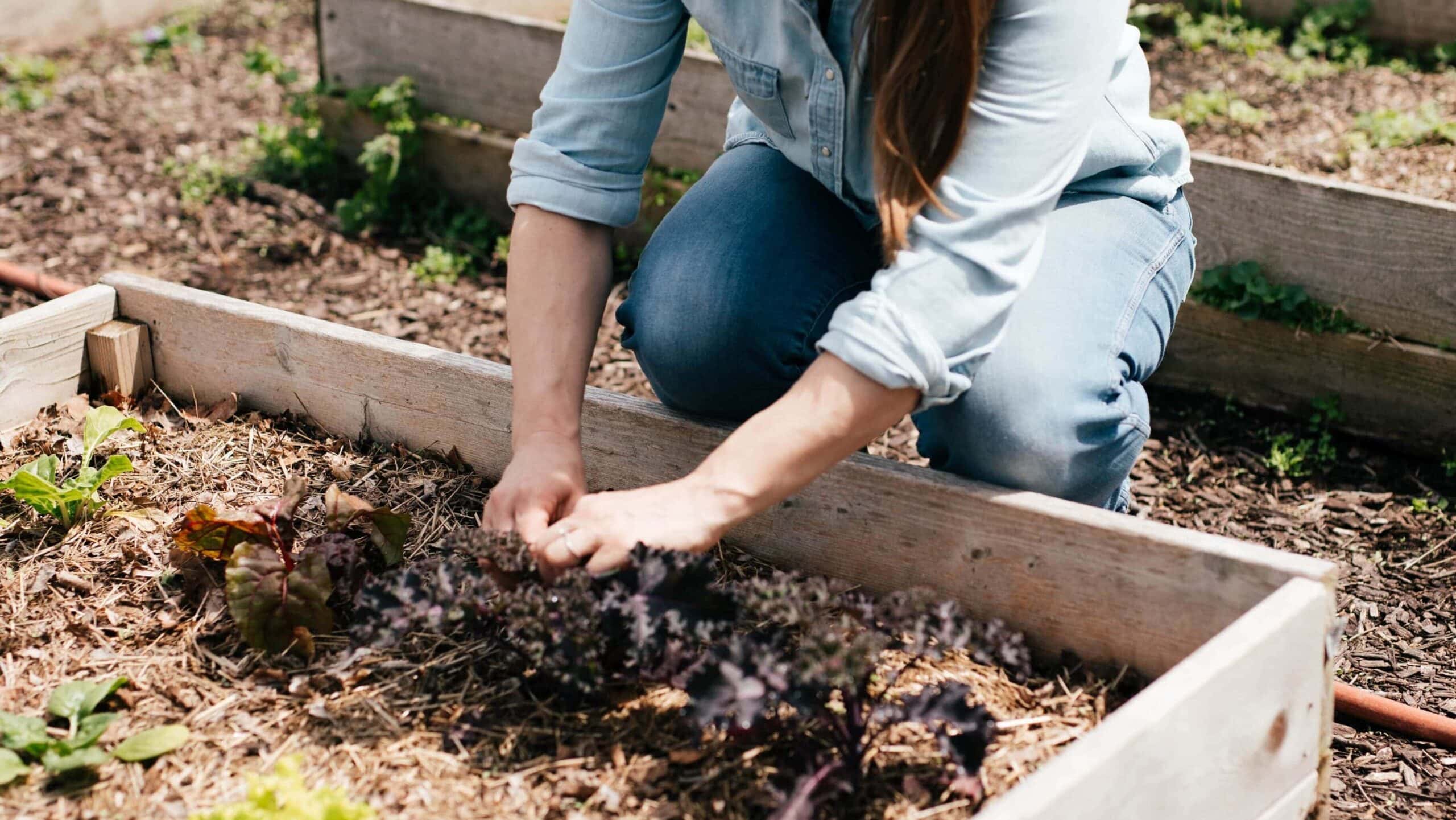
He also grows a 5,000-square-foot garden – again, by himself.
Oh – and he cans, bakes, ferments, butchers, forages, and sells eggs out of his truck twice a week. He's been doing some version of all of this, mostly alone, for over 30 years.
The headstone can say what it wants. The record speaks for itself.
A born-and-bred Saskatchewaner
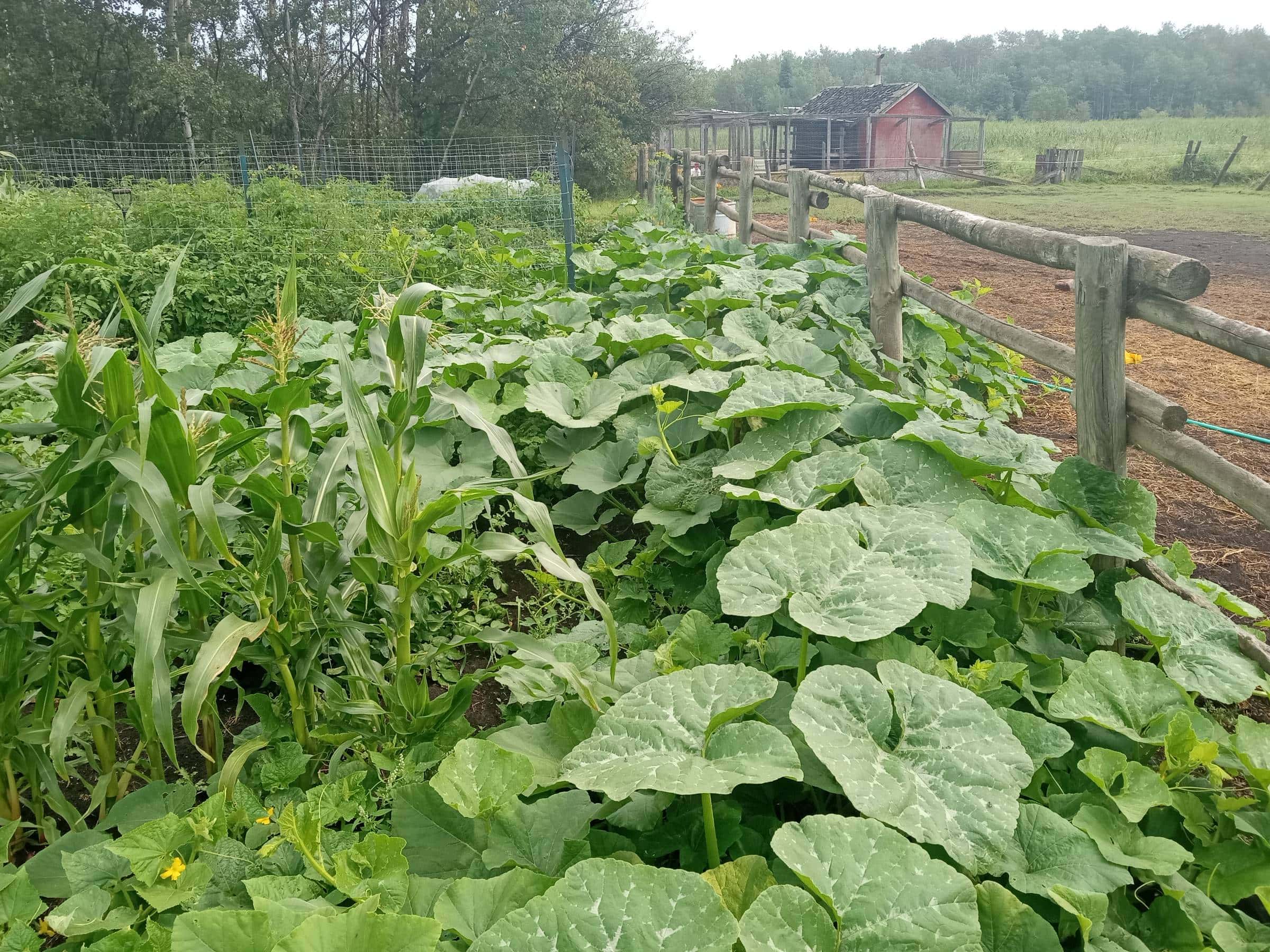
Darrell grew up on dairy farms in the south of Saskatchewan, the kind of place replete with glacial hills, dead-flat grain country, and where half his school would disappear at seeding and harvest time to work the family fields.
Darrell was on dairy operations until he was about eleven. He would guzzle a gallon of milk a day.
“We'd just walk up to the big tank in the barn and turn the tap,” he says. “Mom used to complain about how much milk we'd go through. I thought that was a perfectly reasonable amount of milk.”
(He still loves milk, and also revels in ice cream.)
Then, “Dad sold the family farm, got a job as a welder and bought a fixer-upper,” which until recently was his parents home for 50 years, Darrell says.
The family has a pattern of nabbing fixer-uppers, Darrell included – he lives in one now – and they always, always had a garden.
In that household, Darrell recalls, “there was no women's work vs. men's work.”
Darrell’s dad made soup on Sundays, every Sunday of his life. Darrell’s sister wasn't allowed to drive until she could change a tire and check the oil. If Darrell came to his mother with a loose button, she handed him a needle and thread.
“I can bake, I knit, I butcher chickens, I sew — there's a story behind every one of those,” he says. “And it all comes back to knowing that I can.”
He's gotten flak from men about knowing how to do those things. His response is some version of:
Assume whatever you want. Being competent makes me happy.
A life not spent sitting
Darrell thought about going into horticulture at university before realizing that he’s an outdoor guy, and that four long years of sitting in class wasn't for him.
Instead, he joined the reserve army after high school, then took a two-year program in renewable resources, basically training for conservation work. He got hired with the provincial forestry service and spent years doing regeneration surveys, timber cruising, tree planting, and Dutch elm disease surveys.
Craving a bit of adventure, he also fought forest fires on an initial attack crew for two years.
“Very invigorating,” he says, “to walk into a blazing wall of fire and walk out because the fire's done.”
After the fire crew, he spent time doing aerial photo interpretation for mapmaking, reading the land from above before he ever owned a piece of it.
“I've seen most of this province from a helicopter,” he says. “It's something.”
Then, he had to get nimble. The government restructured, and the jobs disappeared. He moved around, adapted, and ended up in timber scaling – measuring cut wood for Crown (government) compensation – and worked that for 22 years until he “eventually told the government where it could go.”
He now holds a casual evening job bartending in town, which provides him all the people contact he needs, outside that with his few close friends.
The “fixer upper life”
Darrell has been on his property since 1992. He lives on 80 tremendous acres of trembling aspen bush on a dead-end road.
“It’s perfect,” he says.
The house was abandoned – mice, mold, the works.
But it was the right price; again, “perfect.”
He paid $29,000 Canadian, borrowed another $30,000 to make it livable, and spent his first month there “losing 45 pounds… too busy working to eat.”
A friend took one look at him and made him soup. She forgot to leave him a spoon, or perhaps assumed he had one.
“It was good soup, anyway.”
He still has a few projects that need finishing – this some 30-years in – but has only one regret about that fixer upper life.
“In hindsight, I should have bought a quarter section,” he says – 160 acres. He's not wrong. Carrying capacity on natural forage in Saskatchewan, with six months of snow cover, is not generous.
Never stop
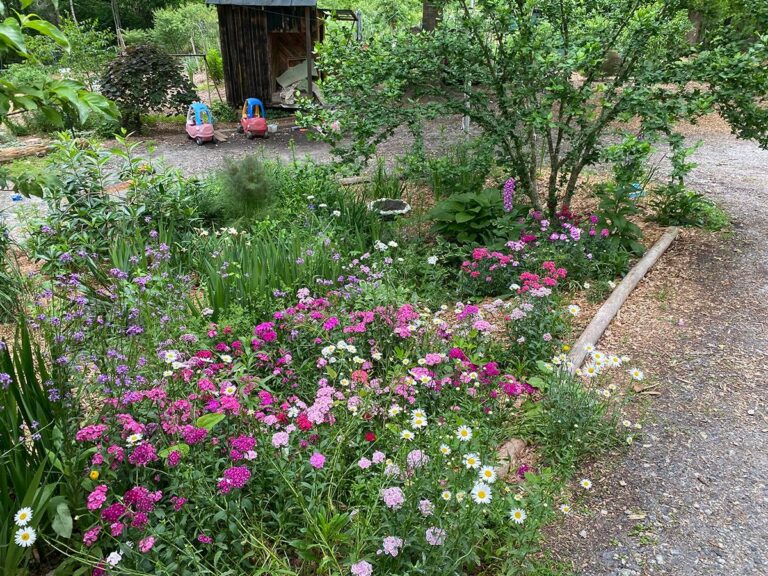
The garden went in in 1995. It's been there ever since, expanding to its current 5,000 square feet. And since that time, Darrell has added “an additional 1,000 square foot food forest orchard garden and a 100-square-foot fruit tree guild.”
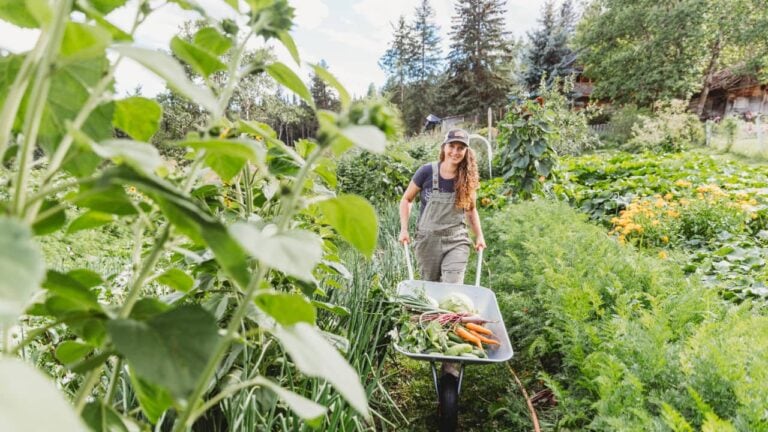
Two years ago, he planted it on June 28th – late, by most standards, in this short-season region – but still managed to pull “thousands of pounds out of it” before the frost.
Darrell grows tomatoes, squash, sorghum, loofah sponges, broccoli, beets. He often grows things people don't associate with Saskatchewan (like tomatoes) because he starts them inside and transplants them out, times it right, and doesn't panic.
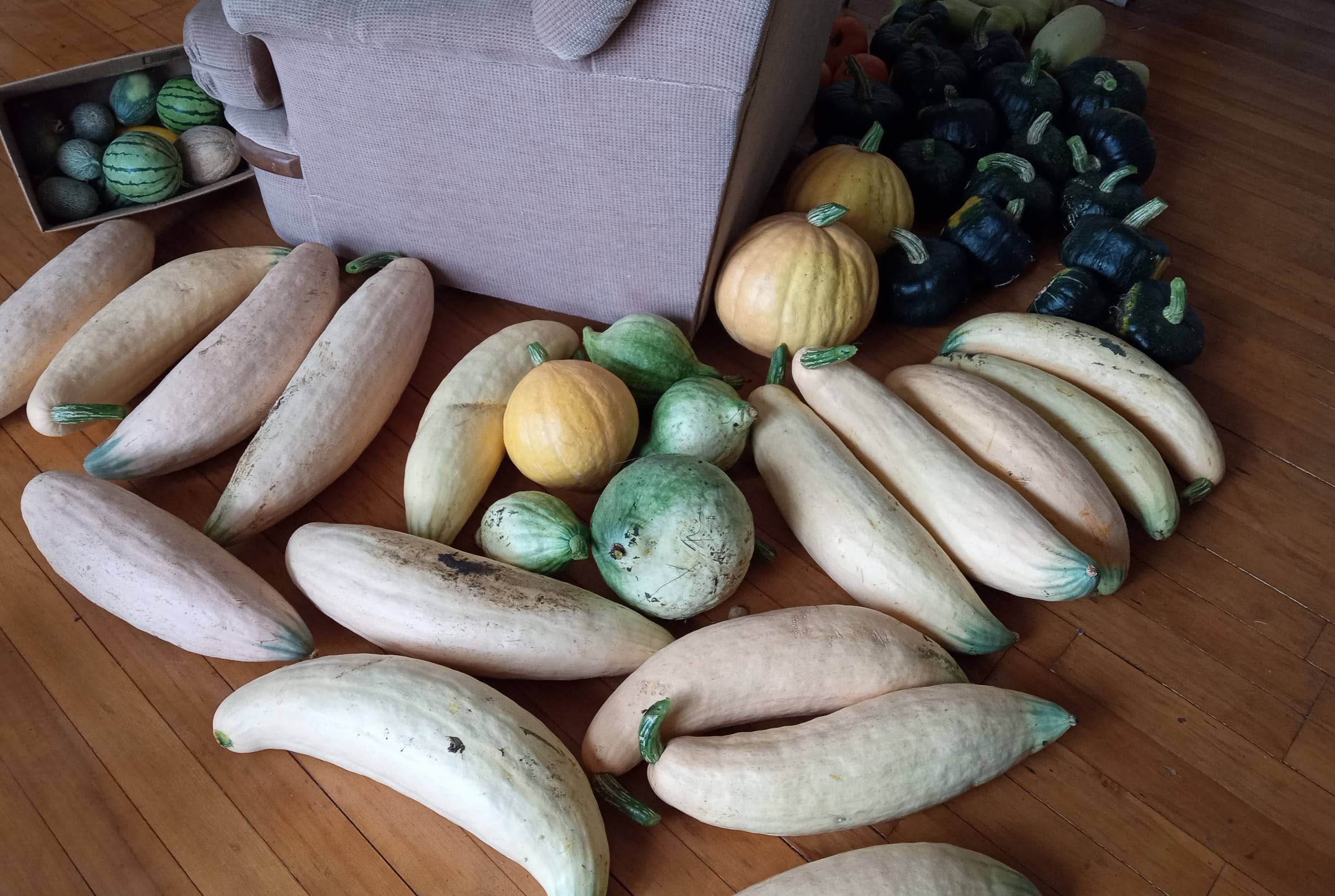
The gardening is good for his soul, and for his sense of independence. Last year, he saved “over $3,000 Canadian versus buying the equivalent organically at the store – which is good, because organic, up here, is hard to find.”
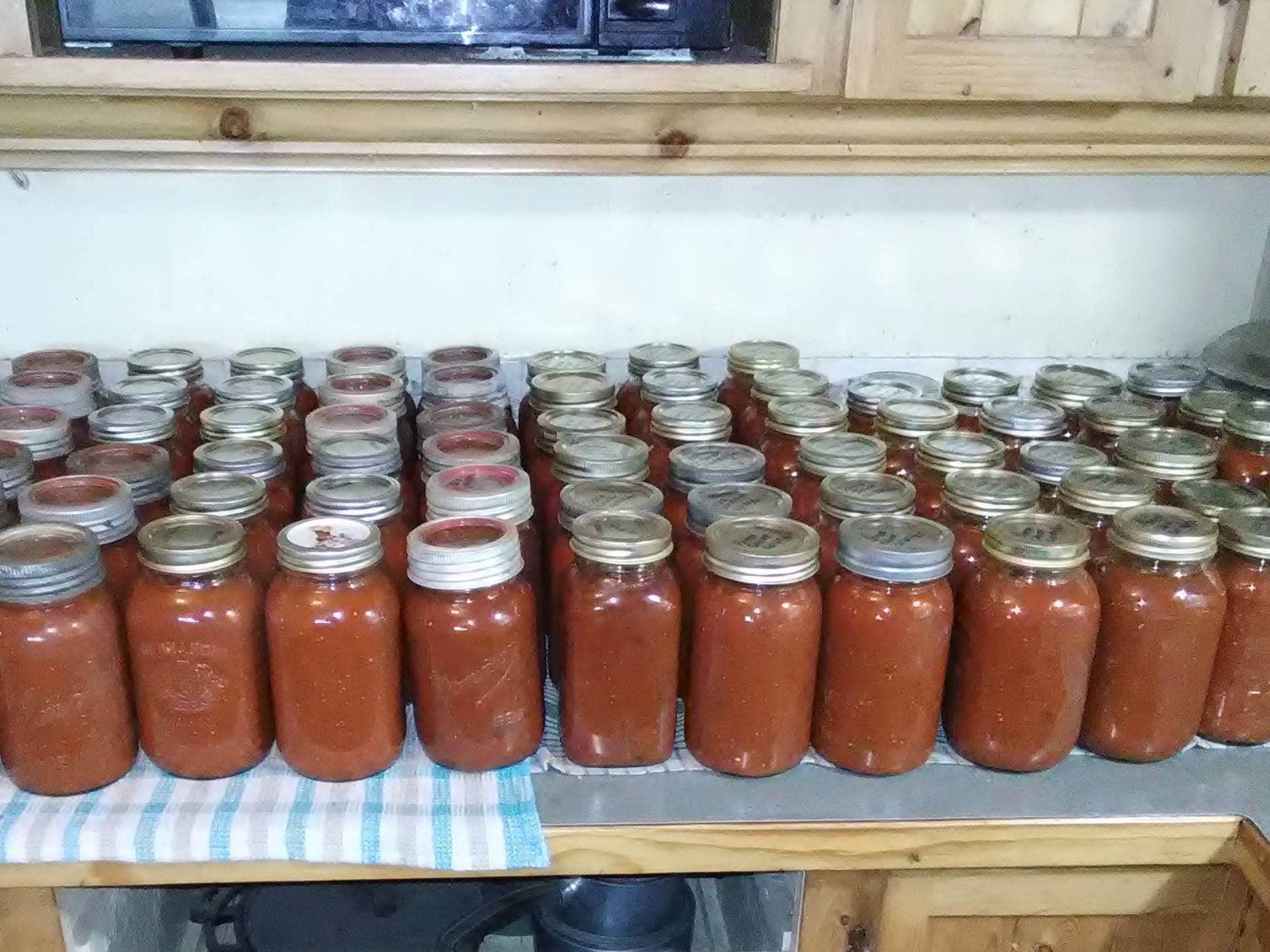
He ferments. He cans. He still references a dog-eared copy of Canning by Sue and Bill Deming that he taught himself from, before the Internet made everyone an expert.
When he finally got a pressure canner, he used the same book. He made some mistakes early on, but he figured it out.
Darrell is largely self-taught and bare-bones about everything he does on the farm.
His butchering setup is outside on a table with a plastic sheet and a garden hose.
Don’t be fooled, though; he’s thorough, too. Darrell once walked the local food safety inspector through his entire process.
“I told him everything, right down to the wire,” Darrell says. “How I scald them, how I eviscerate, how I hose the inside out. And he said, ‘Darrell, you have better cleanliness standards than most commercial operations.'”
This was genuinely pleasing to hear.
He washes 170 eggs a day, by hand. He does two egg delivery runs a week. He raises his meat birds in a tractor.
“But I don’t do it like a lot of people,” he says. (Darrell is very much a beat of his own drummer guy, doing things based on observation and experience rather than solely by what’s decreed by experts.)
For example, he wants his birds’ feeding trough “empty – and I mean empty – after an hour, so the birds have to move around.”
This helps create tastier meat, he says, so he splits that daily ration. If they’re not done after an hour, he gives them less food the next time. He also grows out his chickens for at least ten, and often up to 16, weeks instead of the standard eight.
He's had Cornish crosses hit 22 pounds “walking around perfectly fine.” He butchers the birds, then rests every one of them in the refrigerator for 24 to 48 hours before putting them in the freezer. He likes to braise or slow-cook his food.
The meat is succulent, every single time, even if it’s from an old laying hen or rooster.
“People cook their meat too fast, and they don't let them rest [in the fridge after butchering and before freezing],” he says. “I've butchered a two-year-old rooster, slow-cooked it in a little water in the oven, and you can cut it with a fork. You will never have more flavor.”
He does all of this alone.
That's not a complaint. That's just the situation.
The juggling act
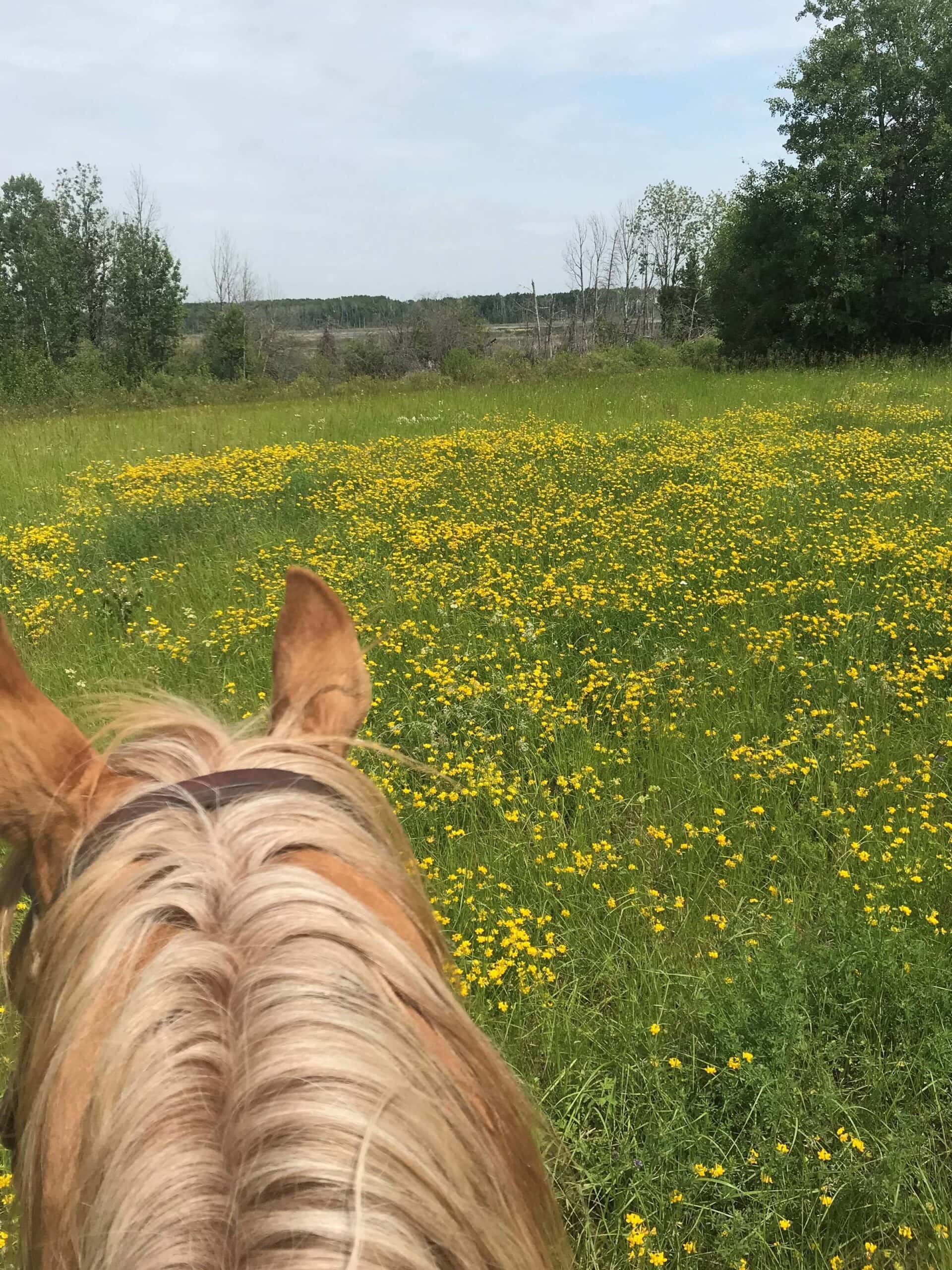
The worst stretch, for Darrell, was when a local business took him for five figures. He'd been propping the place up with his own money out of some mix of “loyalty and stubbornness” – he uses both words – and lost it all.
He thought about bankruptcy but decided against it. He had to sell some of his beloved horses in the process. His credit rating plummeted.
He could have declared bankruptcy, he says again, but his independent streak won out.
“I'm going to work my tail off and pay it back,” he decided.
And for five years, that’s what he did.
He held down two jobs on top of the farm. He slept four hours, then washed eggs. He’d be putting up produce at midnight, going to bed, getting up and doing it again, selling his eggs in between.
He sat down one day and calculated it out: on average, only four hours a week were unallocated.
“I looked at that number and went, I cannot keep doing this,” he says. “Something had to give…
“It just wasn't going to be the garden.”
Survival mode
The falling asleep at the wheel was a reckoning. After he realized how little time he had, he retooled, spreading the work across multiple days.
He still operates this way.
For example, tomatoes started at midnight go in the fridge.
“You pull them out the next night and continue.”
Cucumbers, he learned, don't have to be canned the day you pick them. They'll sit in cold water in the fridge and actually get crisper.
“Learn how to use your fridge,” he says. “I talk about that in every community I'm in.”
(Darrell is a star moderator on the Homesteading Family forums and a beloved contributor to the School of Traditional Skills Community.)
If you’re overwhelmed, he says, get smart about your time.
“Stop trying to finish everything in one sitting.”
Compromise is not a bad word
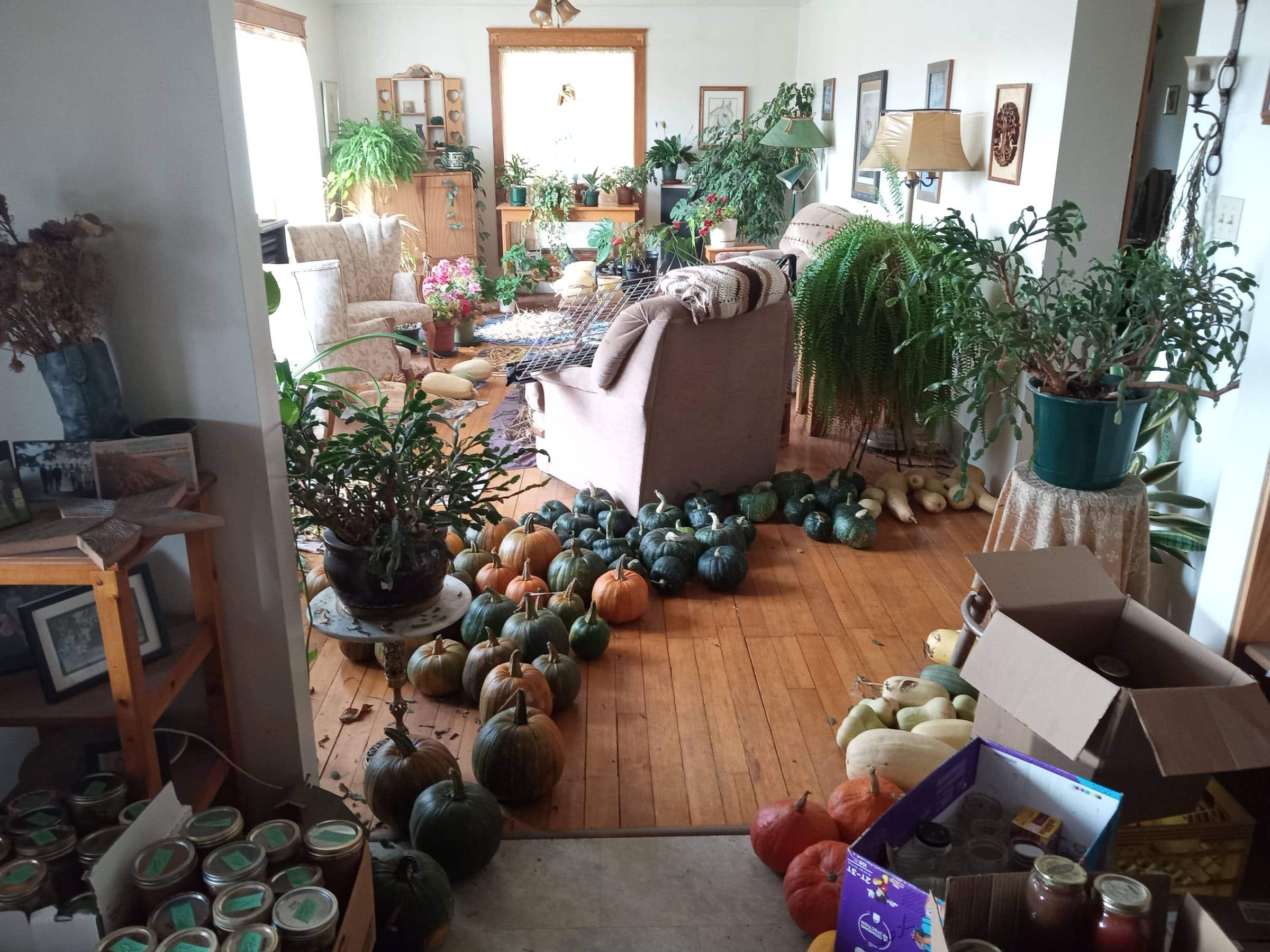
Time is always in short supply Chez Darrell, so he prioritizes tasks. Keeping his house spic-and-span is not one of them.
He went through a period of being embarrassed enough by his home that he stopped having people over, then realized that was the wrong call. People are more important than self-image, he says.
“If you show up at my doorstep, the coffee's on,” he says. “The house is a mess. The toilet might be frozen — my septic hasn't thawed yet [he says this in May] — so you'll be using the porta-potty…
“You're still welcome.”
He also has not found the time to indulge in his biggest homestead dream – owning a dairy cow.
He has a cream separator, milk cans, and butter presses sitting in his dining room. He has wanted a cow for years. Something keeps stopping him – probably the commitment of the milking schedule – but the equipment's been there for a good spell, which suggests he knows how this is eventually going to go.
In the meantime, it’s spring, which means Darrell is busier than ever.
He noticed this week that the fiddleheads are up. He has started looking at what else is coming in so that he can put together the first foraged stir-fry of the season. He’s excited.
Darrell doesn’t wait for spring for greens, though. He makes use of every bit of space he’s got. He grows lettuce under grow lights in a spare room through the winter. There's a pepper plant in the living room that he just harvested some fruit from.
He also wastes nothing, recently cracking open a jar of dill pickles from 2014. They were fine.
“The only things I buy at the store are cheese, butter, a bit of flour, and baking supplies,” he says. “I know what's in everything I grow.”
A life well lived… with more yet to come
For 30+ years, Darrell has been hacking his way through a northern Saskatchewan life on the land. He’s not in it for the Insta-aesthetics. He follows no particular ideology.
He just wants to live this way, the best he can.
The headstone will likely say, He Tried.
But that’s not the whole story.
That jar of 2014 pickles stayed sealed. A 22-pound chicken walked around his yard perfectly fine until it didn't, then fed him two dozen meals. (“I don’t mind eating the same thing every day,” he says). He clawed his credit rating back from the brink with no help from anyone, using the same two hands that washed 170 eggs this morning and typed words of advice to a Community member.
Tried is one word for it.
And he’ll keep trying.
He’s not done yet, and doesn’t plan to be anytime soon.
And he continues to… “feel blessed.”
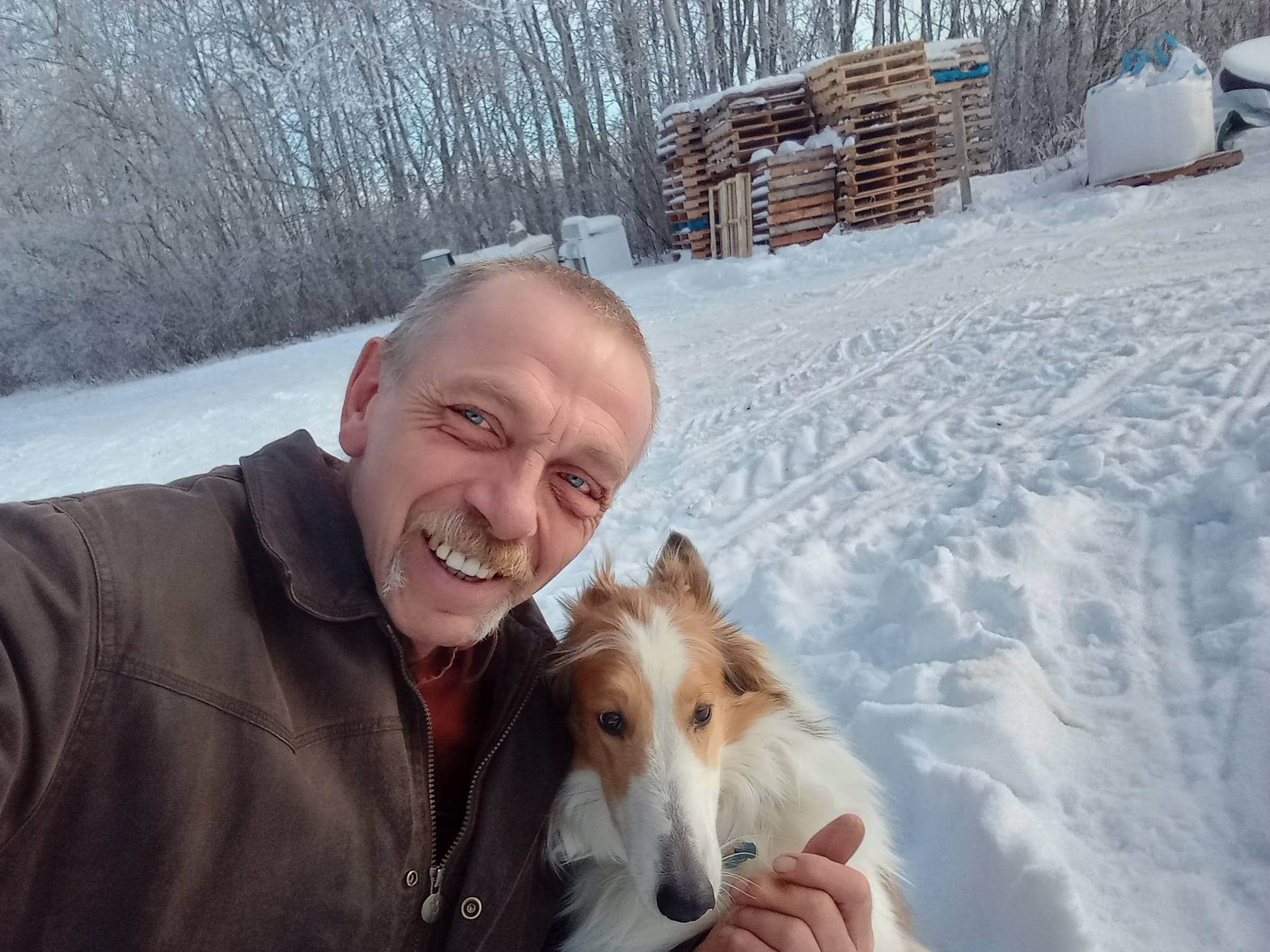
Find Darrell at dhansonranch in the School of Traditional Skills community and Homesteading Family, and follow along his journey at MyBorealHomesteadLife.com
About Saturday Stories
Saturday Stories is a weekly series from the School of Traditional Skills, dedicated to the people in our community who are quietly building a more beautiful, intentional world.
Every Saturday, we highlight a different journey – from urban homesteaders and traditional craftsmen to neighborhood mentors – to show that a life of purpose and self-sufficiency isn't reserved for those with a hundred acres. It’s possible right where you are.