Preserve

  • Pressure Canning Low-Acid Vegetables: Green Beans, Potatoes, and Complete Meals

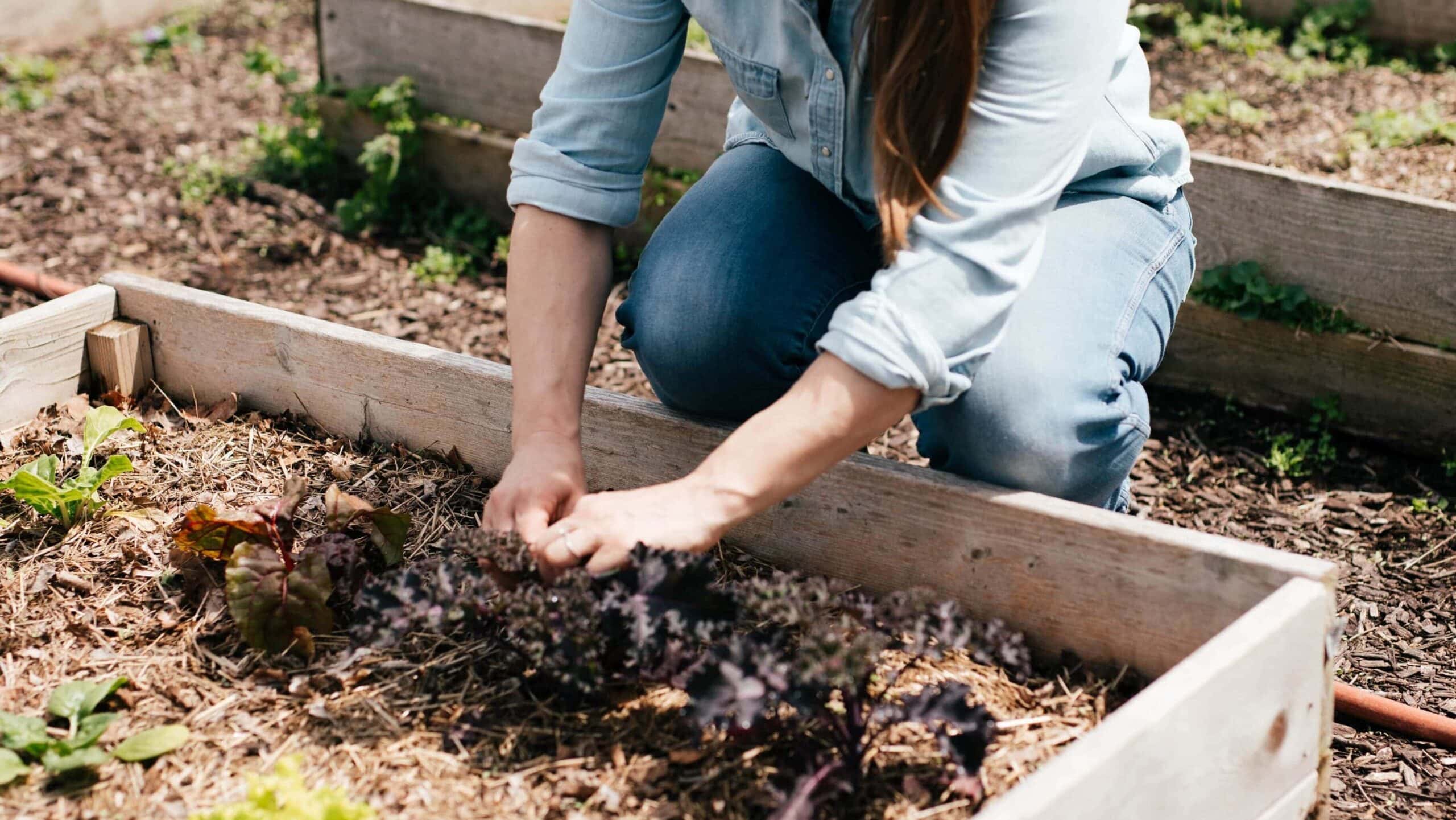
    It’s peak harvest season: your garden is seriously producing, your freezer is completely packed, and your shelves are filling up with your beautiful bounty. You know what water bath canning is good for and you’ve dehydrated a bunch of things already, so you’re wanting to tackle the rest of those low-acid garden vegetables with pressure canning. 

    By this point, you’ve hopefully gotten more comfortable using your pressure canner, but some questions remain: What is raw packing vs. hot packing, and how do I know which to use with the basket of [insert vegetables] currently taking up room on my counter?
  • Canning Meat and Broths at Home

    If you joined us for the first couple of articles in this series on the science of pressure canning and understanding the basic equipment, you’re now ready to jump in and get your hands dirty!

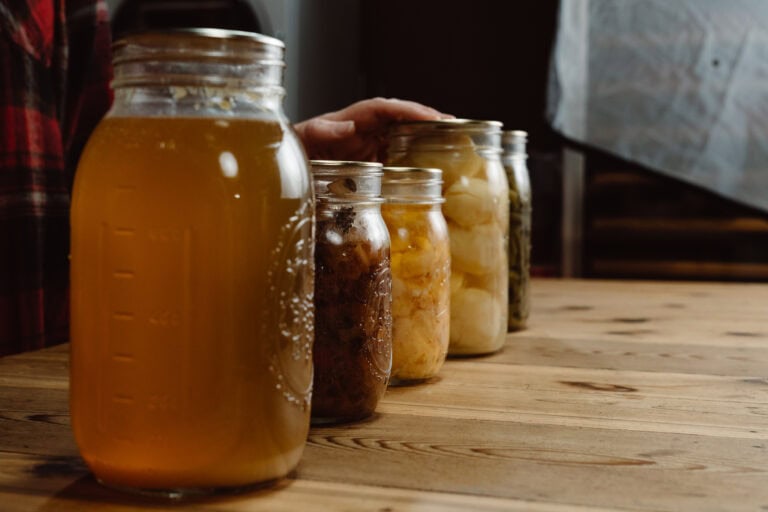
    One of the gentlest first projects for a beginner is chicken broth, and it also happens to be one of the most versatile foods to pressure can. But before you take out your pressure canner, note that there’s an overnight step required to separate the fat before you can your broth. Plan ahead, and pull up this recipe the next day when you’re ready to get started. Then we’ll wrap up by tackling the process for, and common questions around, canning meat.

  • Pressure Canner Basics and Safety: Choosing and Understanding Your Equipment

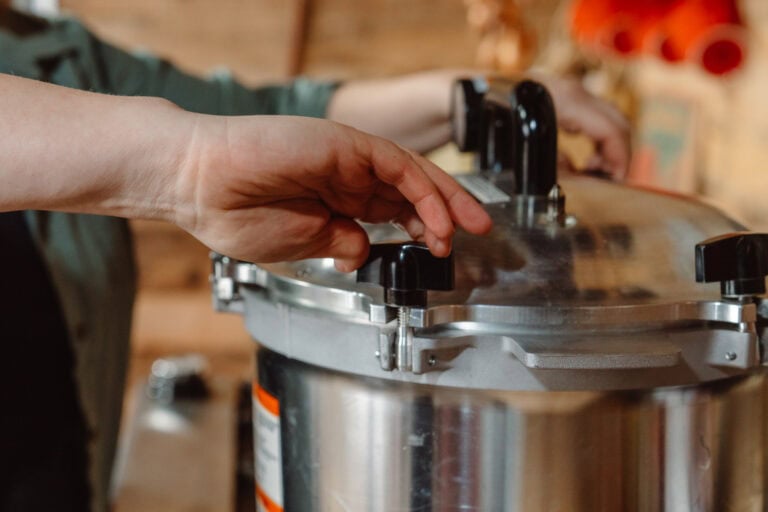
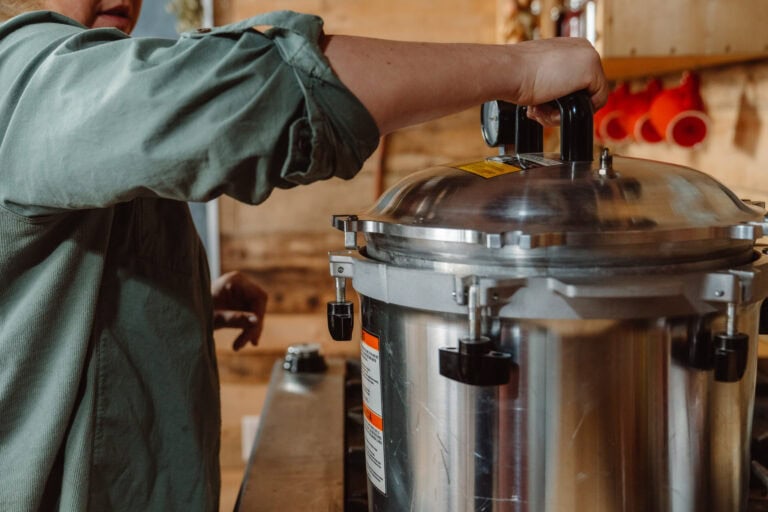
    If you’ve been with us from the beginning of this series, you know why pressure canning matters and how safe it is given modern equipment and tested recipes. You’re sold! But what equipment do you need to have to get started? And do you know the basics of how pressure canners work?

    In this article, we’ll do a deep dive into what you need to start pressure canning, including a look at the different types of canners available on the market. You may want to bookmark this article for easy reference when you go to buy your equipment!

  • Pressure Canning 101: What Water Bath Canning Can’t Do

    It’s an exhilarating feeling when you start filling your pantry with food you preserved. To see those jars on the shelf and know, “I did that.”

    If you’ve been water bath canning jams, salsas, and pickles, you already know that satisfaction firsthand. But those aren’t hearty meals – they’re tasty sides. 

    The foods that nourish (meats, bone broths, nutrient-dense veggies, and high-calorie root crops) tend to be low-acid items requiring pressure canning. Unfortunately, most folks don’t venture beyond water bath canning, worried about all the things they’ve heard could go wrong with pressure canning.

  • How to Store Dehydrated Food and Use It All Winter

    So far this year, you’ve put in the work in the garden, been busy harvesting your produce this summer, and gotten the hang of dehydrating.

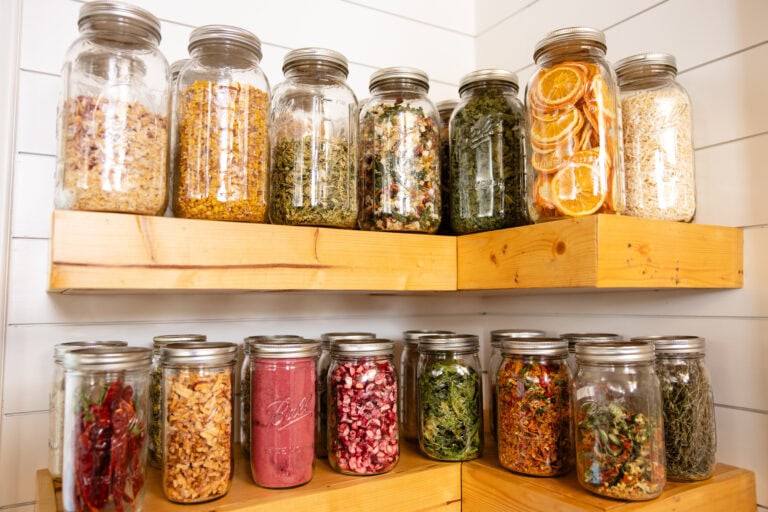
    Now that you have jars cluttering up your counter, the last step is learning how to store your dehydrated food properly. That means everything from using the right containers and understanding the options for moisture and oxygen absorbers, to recognizing how long the food should last and knowing how to cook from a dehydrated pantry all winter. We’ll cover all that here in the conclusion to this dehydration series.