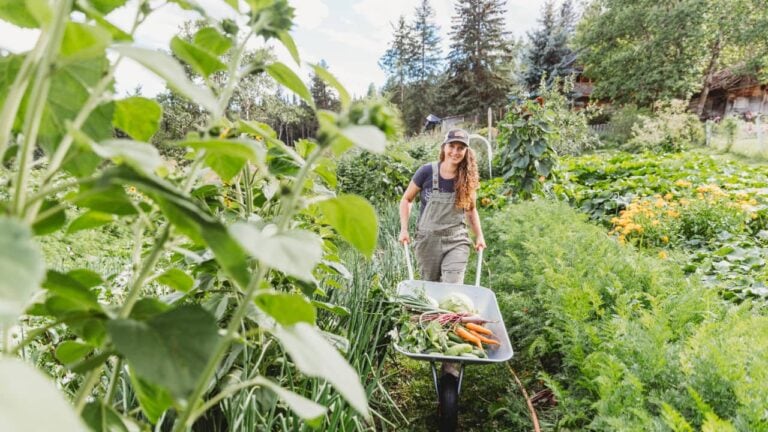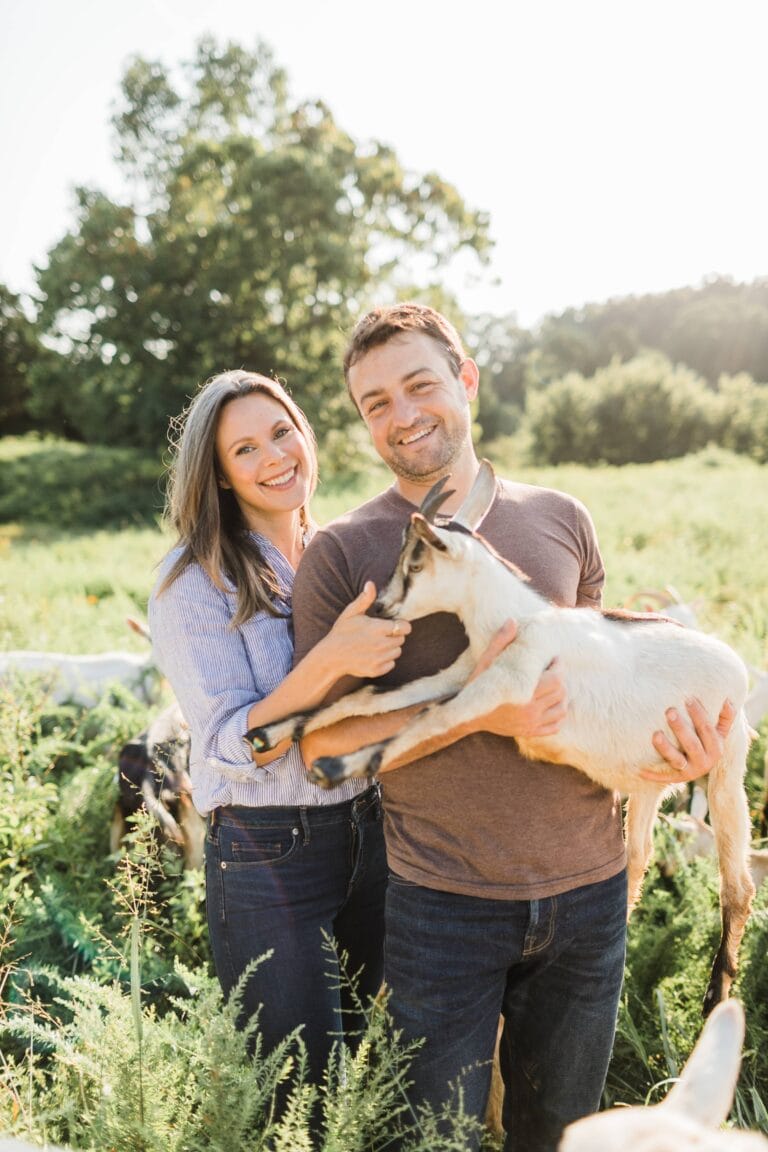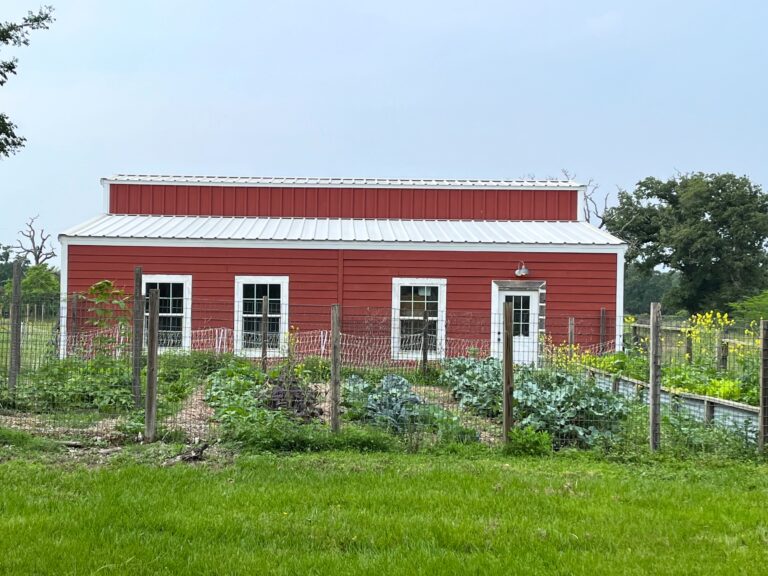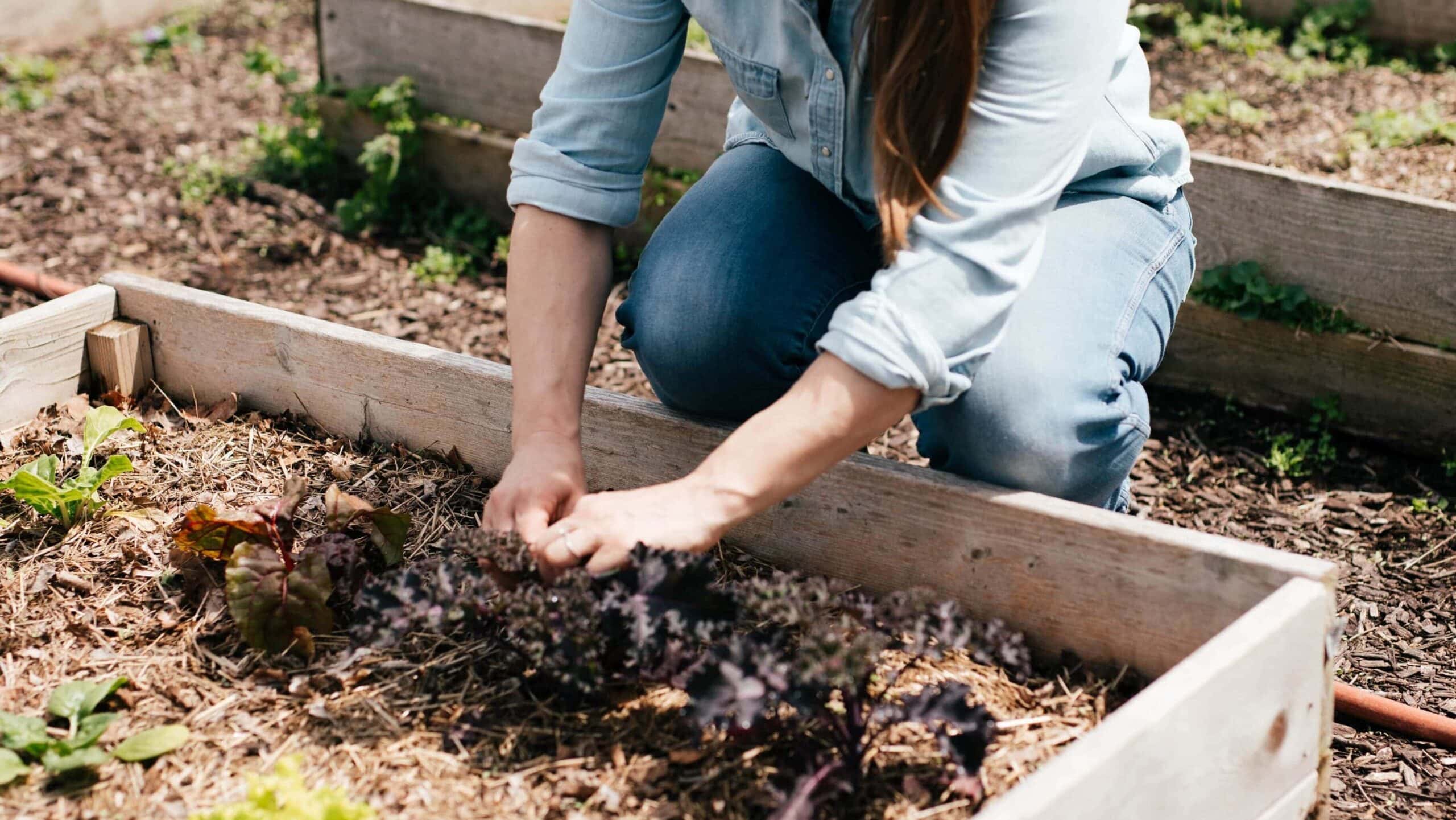
Living in a 30-unit co-housing community on a modest five-acre plot, she has managed to do something most modern Americans find impossible: she grows, gleans, and forages nearly 85% of her family’s produce year-round, most of it in the middle of a population of 300,000.
Wendy is an urban homesteader, a teacher, and a mother, but perhaps most accurately, she is a woman who has found her way back to a heritage she didn't realize she was missing until she began to “long for it.”
Her journey is one of global wandering and local returning—a story that reminds us that “home” isn't just a place where you sleep, but the soil you tend and the community you feed.
From the Concrete Jungle to the Wisconsin Woods
Wendy’s story didn't begin in the garden, though the seeds were planted early. Born to parents who grew up on dairy farms, she spent her childhood in rural Wisconsin watching her father manage fruit trees and her mother preserve the season's bounty.
“I never ate food out of an aluminum can in my life, unless I ate at somebody else’s house,” Wendy laughs. “But not in my own home, because my parents preserved our food, and that’s what we ate.”
Like many teenagers, Wendy “classically underappreciated” the labor of the garden during her youth.
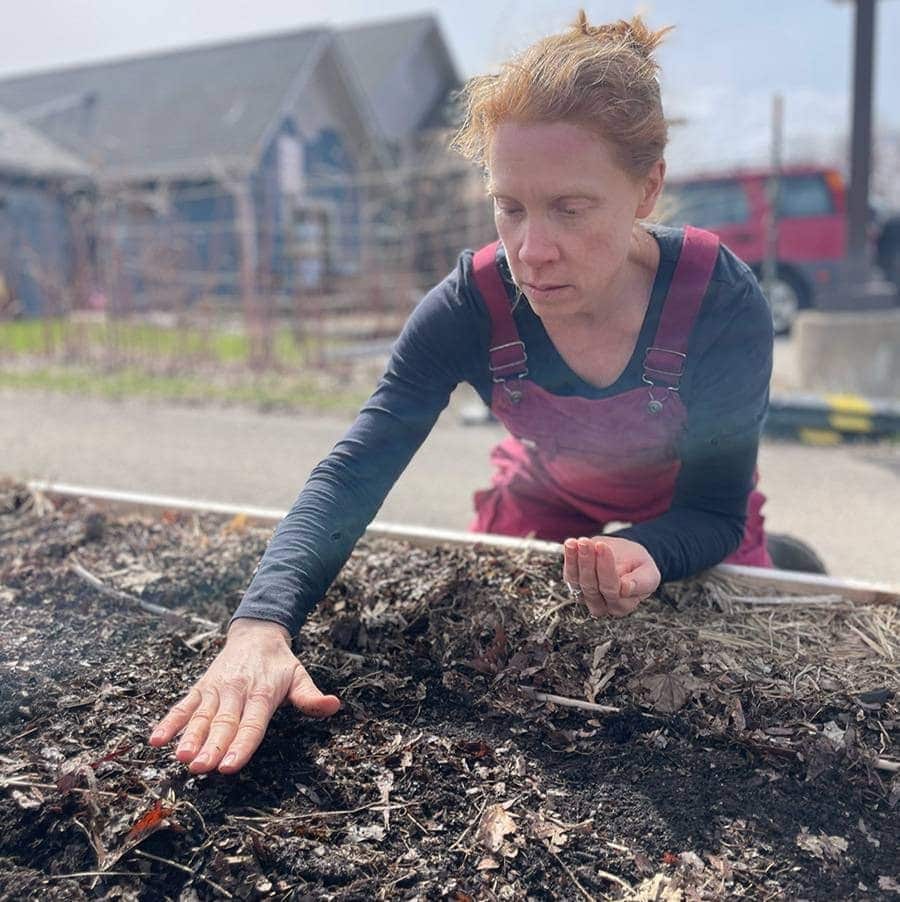
It wasn't until her 20s, living in community homes with friends, that the “bug” finally bit. She found herself converting backyards into vegetable patches and “discipling people through kale”—sharing the gospel, while evangelizing the merits of fresh greens and eggs, over post-run breakfasts.
However, life took a sharp turn toward the urban. After years of missionary work in the United States, Wendy moved to Hong Kong to continue her work.
There, in a city defined by its towering high-rises and frantic pace (and excellent food!), her gardener’s heart awakened.
Wendy sought out “village houses” with patios or rooftops where she could grow a few things in containers. When health issues surfaced, she turned to fermentation – kombucha and vegetable ferments – discovering the profound link between the gut and the ground.
In 2019, after meeting her husband and starting a family abroad, Wendy felt the pull back to her roots. Hong Kong felt lonely and isolating with a newborn/toddler, and the couple’s family and friends were all Stateside.
The couple traded the “urban concrete jungle” of Hong Kong to her parents’ small town in Wisconsin for a seven-month sabbatical. It was a literal homecoming. There, she immediately plunged her hands into the ground, at the garden plots her parents had been tending on her brother’s large nearby acreage.
Wendy says she and her husband, Tad, both went all-in.
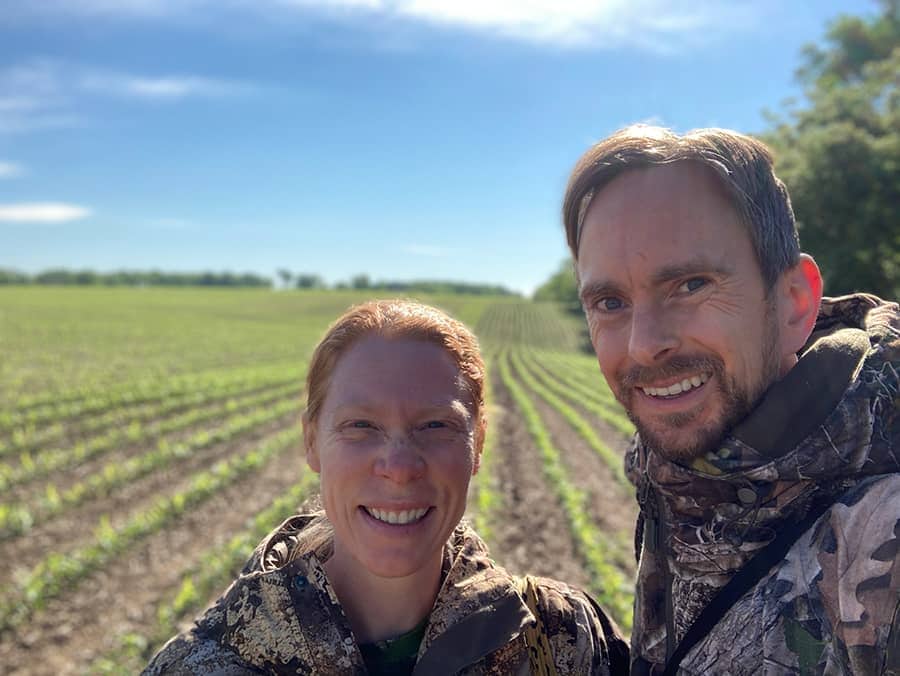
“We took over most of my parents' gardening and harvesting and food preservation,” she recalls. “My husband learned to hunt… we hunted turkey and deer together. It was a fun thing.”
The 80% Rule: Maximizing the “Postage Stamp”
Craving a bit more of the city energy of Hong Kong, Wendy and her family eventually moved to Madison, a lovely, vibrant college town built on the isthmus between Lakes Mendota and Monona. Rich with farmers’ markets, and the capital of America’s Dairyland, it’s a place where high-level academia and grit-under-the-fingernails agriculture shake hands.
Wendy and Tad knew that they wanted to stay out of debt, and not take on more than they could handle. A condo would have to do. Besides, during a sabbatical and a global pandemic, she says, “it was also likely all we could afford!”
But here’s where the Porterfield’s story gets exciting, because theirs is not just any condominium: Wendy’s home is part of a unique co-housing community, a model that feels less like an “experiment” and more like a return to the classic American neighborhood.
It’s a setup rooted in private ownership and shared stewardship. While Wendy and Tad own their specific condo, they also share access to five acres of land, community gardens, and common spaces.
This collaborative approach allows families to enjoy the perks of a large property – like orchards, a food forest, and large gardening plots – without the isolation or the staggering price tag of a private estate.
It’s a practical, neighborly solution for people who want the autonomy of a private home but the “helping hand” culture of a small town.
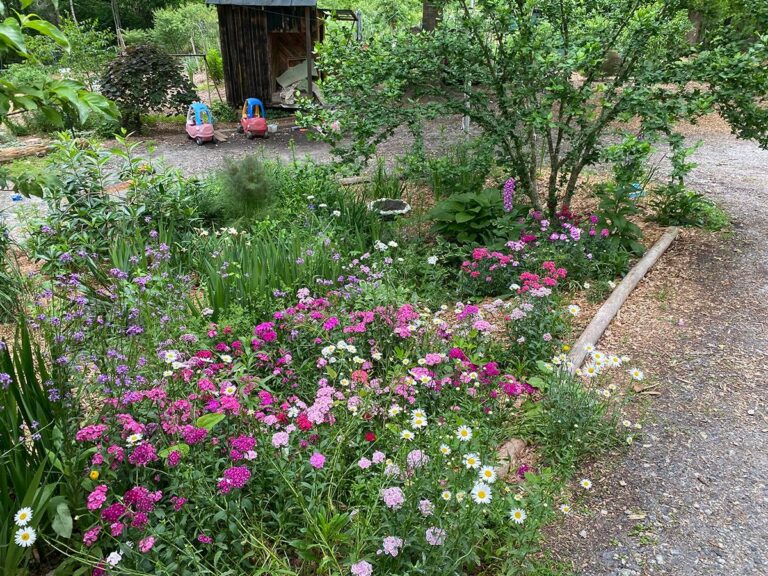
Wendy uses every inch of what she’s got. Her actual front yard is what she calls a “tiny postage stamp,” but you won’t find a blade of grass on it. It has been entirely transformed into a lush tapestry of food and flowers.
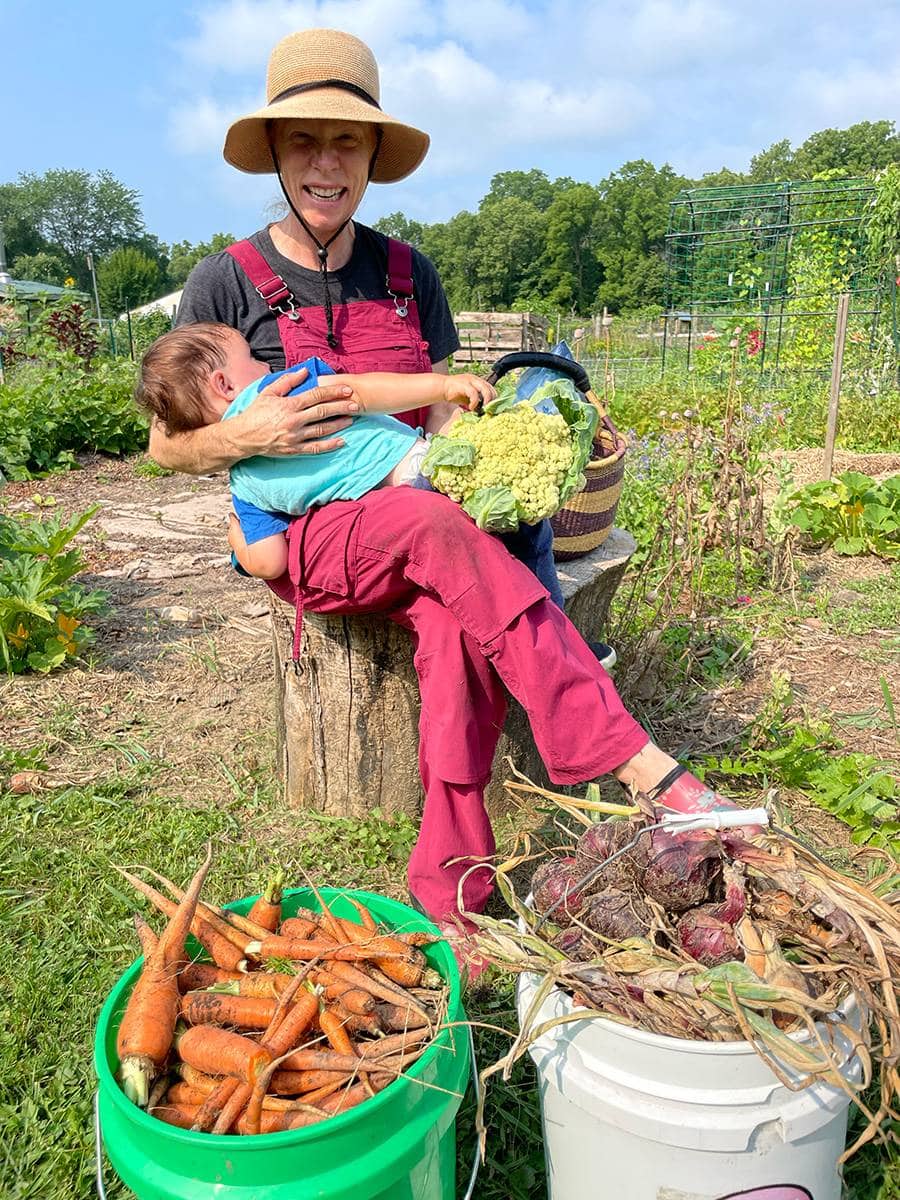
“We just have exploded in the last six years… trying to max out all of what's possible for us in this space,” Wendy says. “I think I produce and preserve – by growing or gleaning from my parents or foraging – 80 to 85% of our produce year-round.”
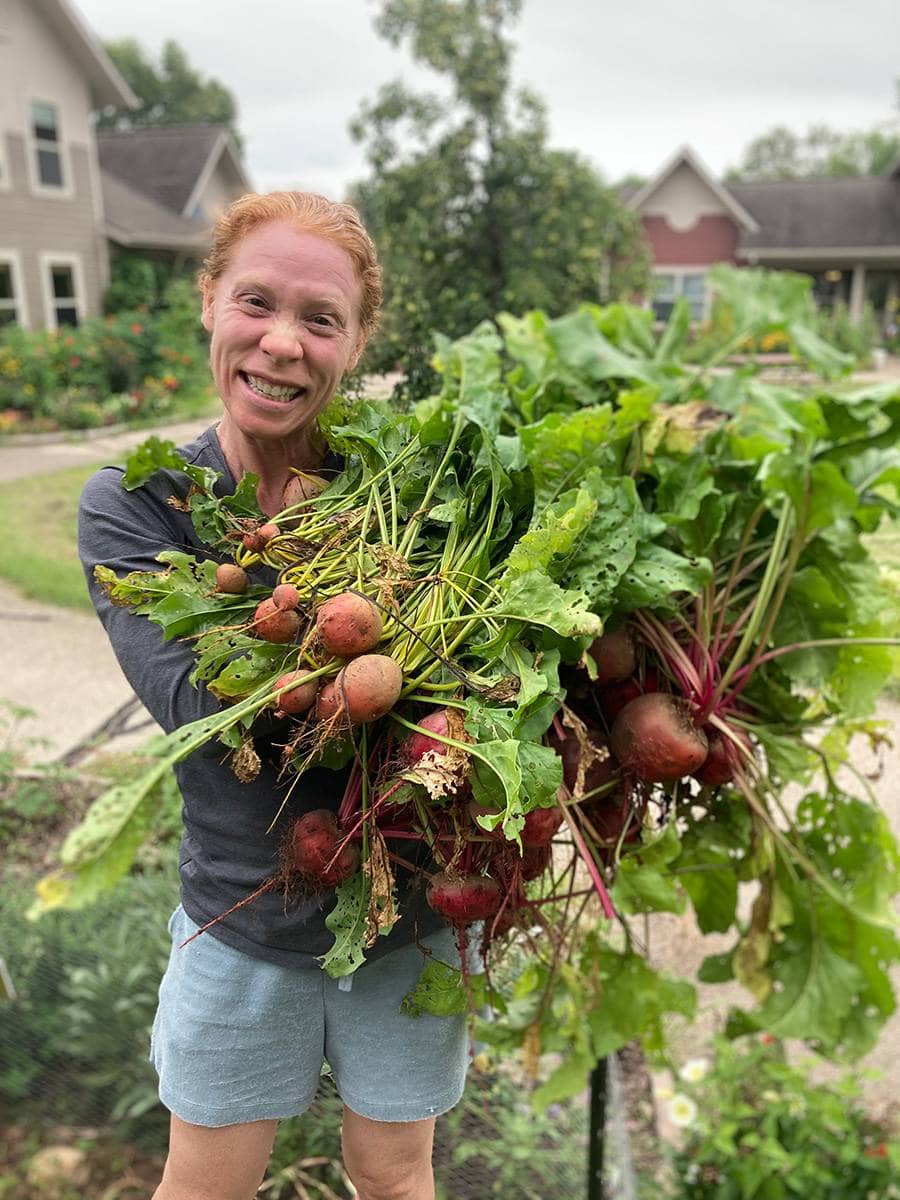
For Wendy, the lack of acreage isn't a limitation; it's an invitation to be creative.
She utilizes community garden plots for her staples, but she also looks to the wild. She is a devoted forager, identifying and harvesting everything from invasive golden oyster mushrooms to wild nettles and berries.
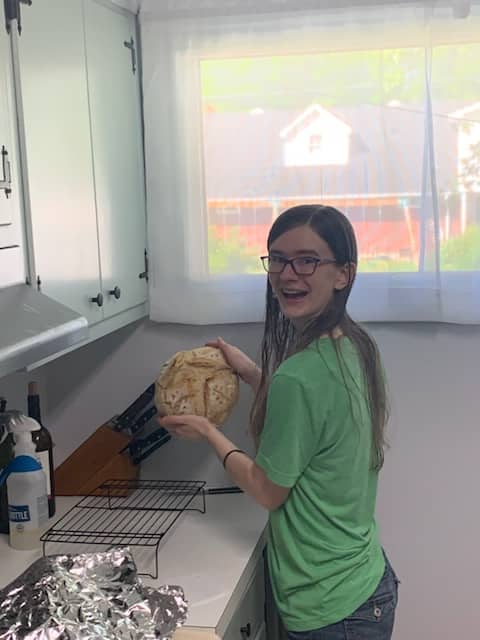
Inside her home, the transformation continues. A year ago, she began milling her own grain, replacing store-bought bread with fresh-milled sourdough. Her kitchen is a global laboratory, blending the traditional Wisconsin “meat and potatoes” of her youth with the vibrant, spicy flavors of Asia. On any given night, the family might be eating venison enchiladas with homemade sourdough tortillas or hand-folded Chinese dumplings.
“I love not wasting food,” Wendy says. “All the stuff that we grow or gather, I love to convert it to something healthy, something that is fun, something creative.”
A Legacy of Holistic Health
Beyond the jars of canned peaches and the bags of freeze-dried berries, Wendy sees her work as something deeply spiritual. After decades in vocational ministry, she has realized that you cannot separate the soul from the body.
“I think holistic health is something I really love and care about,” she explains. “I’ve spent most of my career investing in relational health, spiritual health, emotional health… but less physical health. And now I get to focus on the physical side while I build relationships. It brings me a lot of life and joy.”
This philosophy is being passed down to her two children, Ruby and Jude. For her son, Jude, the concept of a grocery store is secondary to the reality of the earth.
“I'll say, ‘Oh, I need to get some such and such,' and he'll say, ‘From a plant?' That’s his context for food. It comes from a plant, not from the store.”
(Victory!!!)
Wendy has recently launched Root to Table with Wendy, a business dedicated to teaching others how to forage, garden, preserve food, and bake. She consults with neighbors and teaches classes at a local grocery cooperative and at local botanical gardens, helping people bridge the gap between their modern lives and the natural world.
“I tell people in my classes, ‘I think only our generation and our parents have had the option of not being connected to our food,’” she reflects. “For most of human history, we had to be involved with it. And when you’re connected and involved, you know exactly what you’re getting and what quality it is.”
Wendy’s story is a warm invitation to all of us.
You don’t need to move to a farm to find your roots. You can find them in a container on a balcony, in a community garden plot, or in the wild mushrooms growing in a local park.
You just have to be willing to look down, get your hands a little dirty, and remember that we were designed to “care for and steward the earth.”
Want to know more about Wendy? Find her at Root to Table with Wendy
About Saturday Stories
Saturday Stories is a weekly series from the School of Traditional Skills, dedicated to the people in our community who are quietly building a more beautiful, intentional world.
Every Saturday, we highlight a different journey – from urban homesteaders and traditional craftsmen to neighborhood mentors – to show that a life of purpose and self-sufficiency isn't reserved for those with a hundred acres. It’s possible right where you are.