What Is Natural Beekeeping?
Natural beekeeping means partnering with the bees and allowing them to live as close to nature as intended by giving them space to follow their instincts and do what they’ve done for millions of years.
In a natural hive, bees are allowed to:
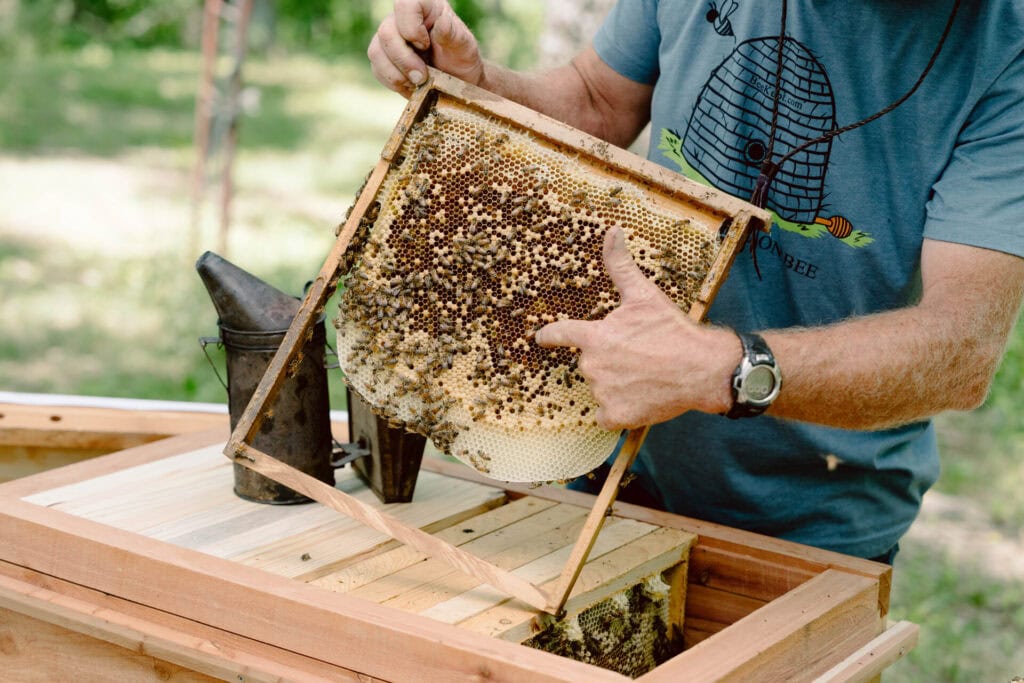
- Build their own comb from scratch, not pre-formed plastic foundations
- Set their own pace for brood rearing and honey storage
- Choose when to swarm, split, or slow down—according to their instincts and the seasons
- Feed themselves with nectar and pollen, not white sugar
- Communicate, defend, and thrive as they would in the wild
This approach still requires attention and observation—but far less interference. You’ll catch local swarms (which are naturally adapted to your climate), give them a well-placed hive, and check in from time to time to make sure things are on track.
Essential Equipment for Beginners
You don’t need much gear to start beekeeping. In fact, the natural approach keeps things refreshingly simple. While conventional beekeeping might make you feel that you need to invest a lot upfront in equipment, we recommend starting with just the essentials and letting your experience guide what you add later.
Here’s what you really need to get going:
A Hive That Works With Nature
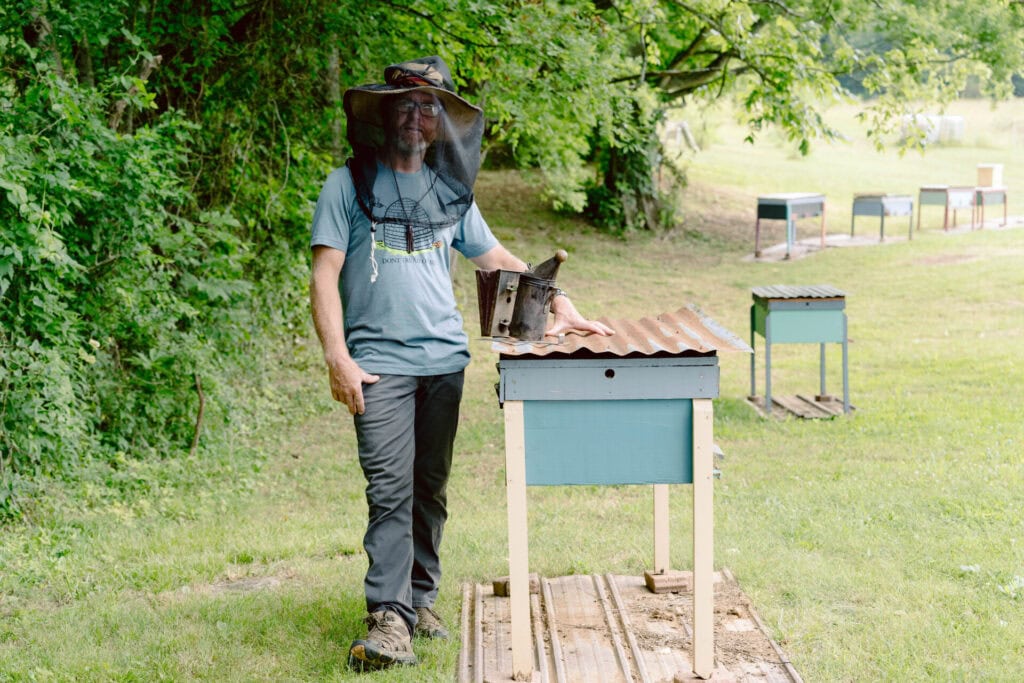
For natural beekeepers, the Layens hive or a horizontal Langstroth hive is a great fit. These hives give bees room to build comb naturally and regulate their own space. They're also easier for beginners to inspect because there’s less heavy lifting involved as with a vertical hive and fewer disruptions to the colony.
Pro tip: Start small with just one or two hives for your first season. You can always expand later.
A Swarm Trap
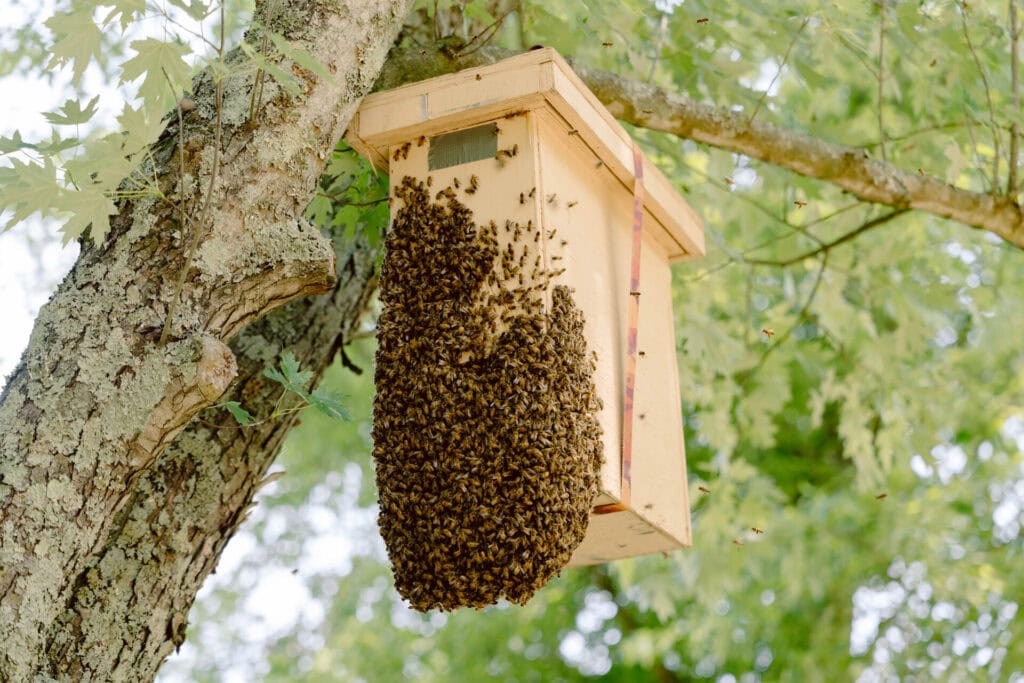
Instead of ordering bees online and hoping they arrive healthy, consider catching a local swarm. A simple swarm trap—baited with lemongrass oil—can attract a wild colony looking for a home. These bees are often heartier, more resilient, and already adapted to your climate. This is an especially important consideration for those in cold climates who may have experienced the disappointment of winter die-off in the past. The local bees you trap have likely already survived one winter.
Simple Protective Gear
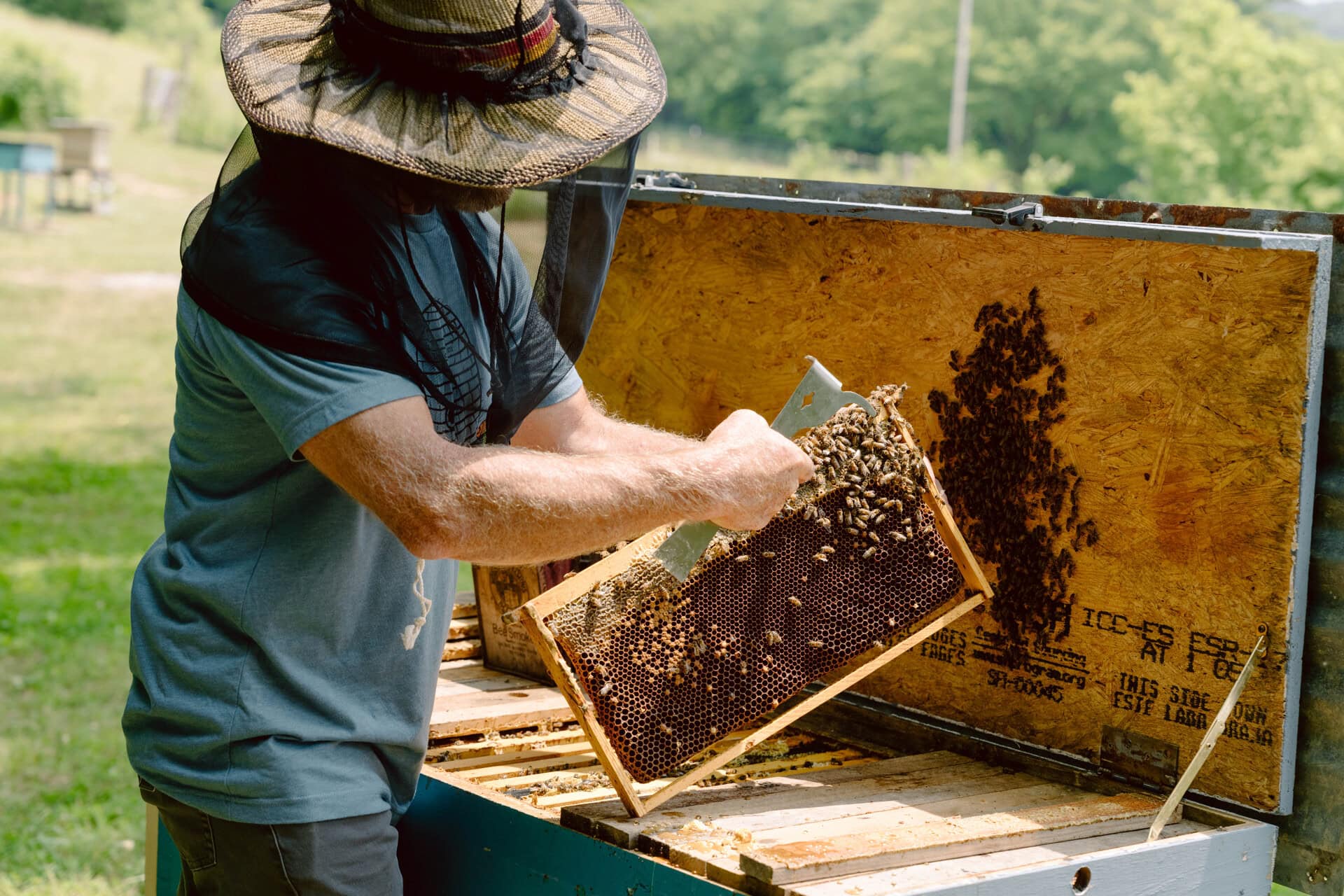
You don’t need a full head-to-toe suit. A bee veil, long sleeves, and calm movements go a long way. Many experienced beekeepers work gloveless—but you can wear gloves if that makes you feel more confident early on.
A Smoker and Hive Tool
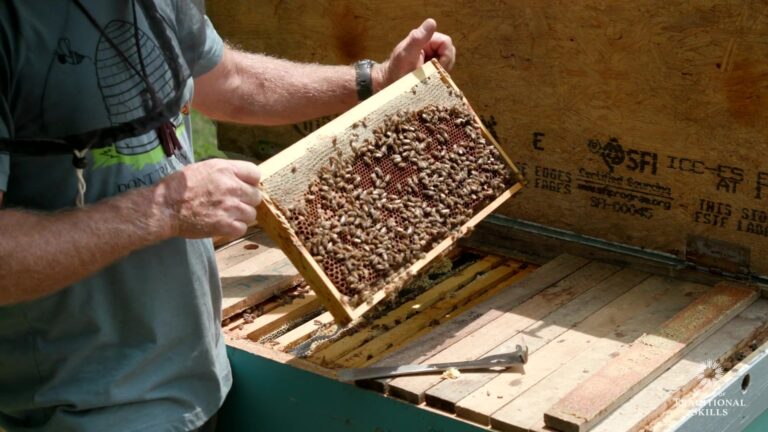
A smoker helps calm the bees if you need to open the hive, though with natural methods, you’ll use it sparingly because this more hands-off approach will be a lot less stressful on the bees and not trigger a defensive response. A simple hive tool will help you lift frames or combs when necessary—think of it as your beekeeper’s pocketknife.
How to Get Your First Bees
You’ve probably seen advice that starts with buying bees from a commercial breeder. But there’s another way! One that’s more resilient, more affordable, and far more in tune with nature: Catch a local swarm.
A swarm is a colony’s natural way of reproducing. When a hive gets big and healthy enough, it splits in two. The old queen leaves with thousands of workers to find a new home. That’s your opportunity.
Set a Swarm Trap
This is simpler than it sounds. You’ll need a box or container (roughly the size of a hive), placed a few feet to 15 feet off the ground. Bait it with a few drops of lemongrass essential oil (and a bit of old comb, if another beekeeper can spare it), and a whole lot of patience. Don’t forget to put in the frames! Once you’ve set up the trap, place it on a tree limb or on the side of a tree trunk where bees are likely to scout—near flowering plants or along tree lines. Check it regularly during swarm season (typically spring to early summer, depending on your location—think 80°F, humid, and typically with a light breeze). If you’ve set it well, you just might come back to a buzzing box full of bees looking for a new home.
Move the Swarm Into Your Hive
Once you’ve caught a swarm, it’s time to transfer them into their permanent hive. This is usually best done in the evening when most of the bees are inside the trap. First, put on your protective gear, especially covering your face and eyes. Gently move the trap close to the hive where you intend to place the swarm. Then open the trap and begin transferring the frames one at a time from left to right in the same order that you pulled them from the trap, ensuring that the queen gets into the hive box. Close the hive and give them time to settle and begin drawing out natural comb.
Let Them Be (Mostly)
Once the bees are moved in, resist the urge to check on them every day. Natural beekeeping is about observation, not interference. Watch their flight paths, note how active the hive is, and trust the bees to do what they’ve been doing for thousands of years. The best thing you can do for your bees is give them a solid start, and then get out of the way.
Connect and Observe
Here are a few steps to help you keep learning and building confidence:
Join a Local Beekeeping Club or Mentor Group
Connecting with other beekeepers in your area—especially those who use natural methods—can help you learn your region’s challenges and successes more quickly.
Keep Records
Keep a simple notebook to jot down what you see: blooming plants, bee activity, weather shifts, or seasonal patterns. Over time, you’ll begin to notice the rhythm of your landscape and your bees.
Learn Your Local Seasons
Every region has its own timing. When do the fruit trees bloom? When do the dandelions appear? When does your first frost usually hit? Knowing your seasons will help you support your bees at the right time. For example, by properly winterizing your bees so they survive through the coldest parts of winter, or by moving them come spring to a more spacious hive to reduce the chance of swarming.
Keep Learning with the School of Traditional Skills
If this first lesson sparked your interest, we’d love for you to check out our Natural Beekeeping online class. It’s where we dive deeper into swarm-catching techniques and transfer, hive setup, seasonal hive care, and so much more—always rooted in traditional, sustainable, and beginner-friendly methods.
Natural Beekeeping
Join Adam Martin from the Bee Kept as he shows you the natural sustainable way to keep bees!