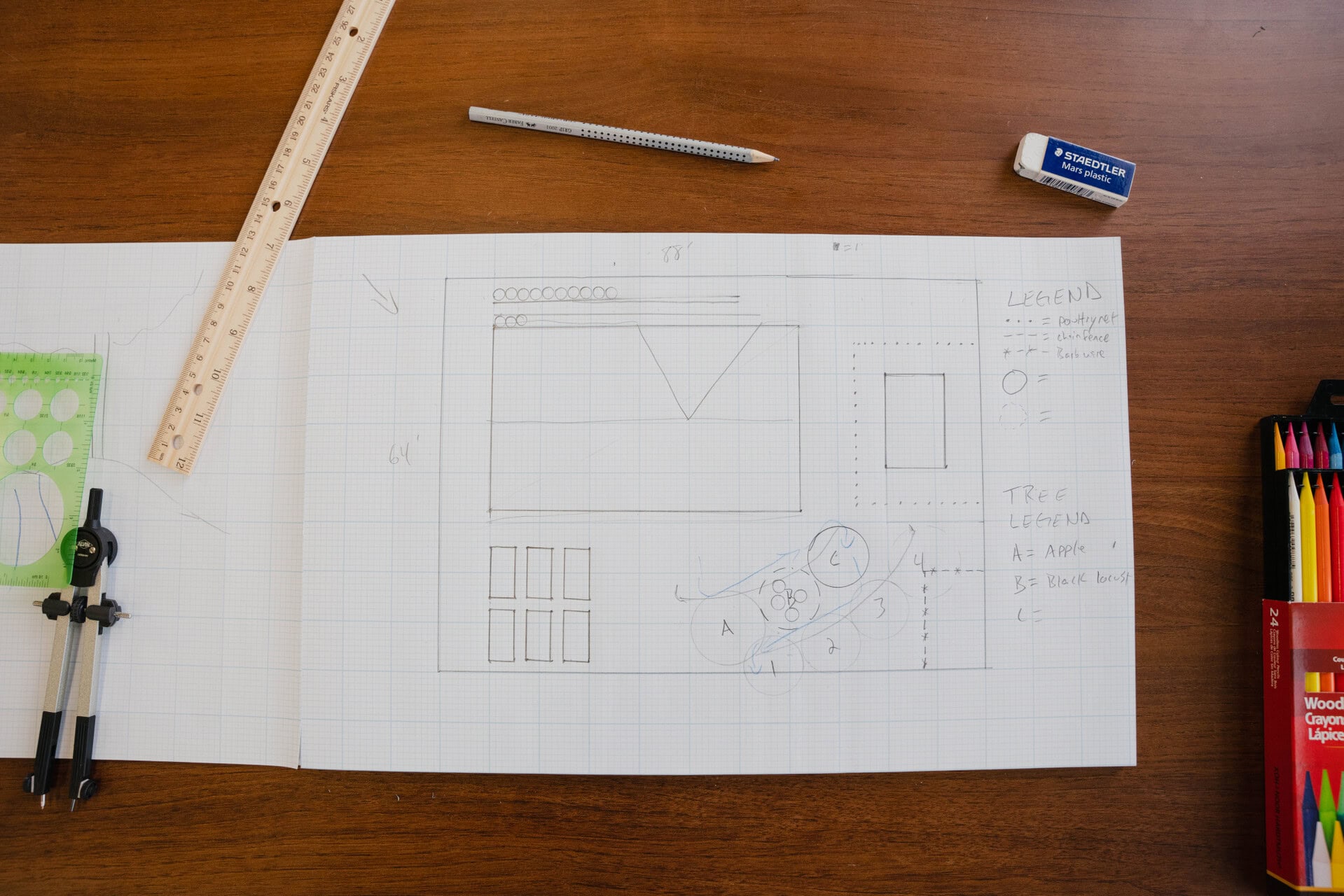
That’s where a permaculture-based homestead layout comes in.
Think of your homestead like a living, breathing system. Every element has a place, and when it’s thoughtfully designed, everything just works. Chores become easier. Water flows where it should. Animals and gardens thrive. And you? You get to enjoy peace of mind.
What Is Permaculture Homesteading?
Permaculture is one of those words that gets tossed around a lot, sometimes with so much fanfare that it seems complex. But at its core, the concept is beautifully simple.
Permaculture is the art and science of designing your homestead based on the patterns and wisdom found in nature, and marrying that design with the goals and dreams you have for your land.
Instead of forcing your land to fit some preconceived plan, permaculture helps you work with the land — observing how water flows, where the sun shines, how animals move — and then placing each element of your homestead where it naturally belongs.
Permaculture homesteading takes your vision and ideas and grounds them in real life. It means building a homestead that’s resilient, efficient, and rooted in stewardship. One where your garden, animals, and infrastructure all support each other and you, too.

The Foundation: Your Homestead Layout
Whether you’re building a brand new homestead or realizing some of your systems need adjusting, a layout is the first step to a successful homestead.
Your layout is the foundation. It’s the blueprint that shows how every part of your land connects — from the house to the garden to the compost pile and beyond. And when it’s thoughtfully designed, your daily life gets a whole lot easier.
Are you finding yourself burdened by scattered systems, wasted energy, and chores that take twice as long as they should?
Imagine instead that your garden is only steps from the kitchen, making dinner prep a breeze. The chicken coop is close enough to check on before work. Water flows exactly where it’s needed. Your tools have a home — right where you use them. n
That’s the power of a smart layout rooted in permaculture principles.
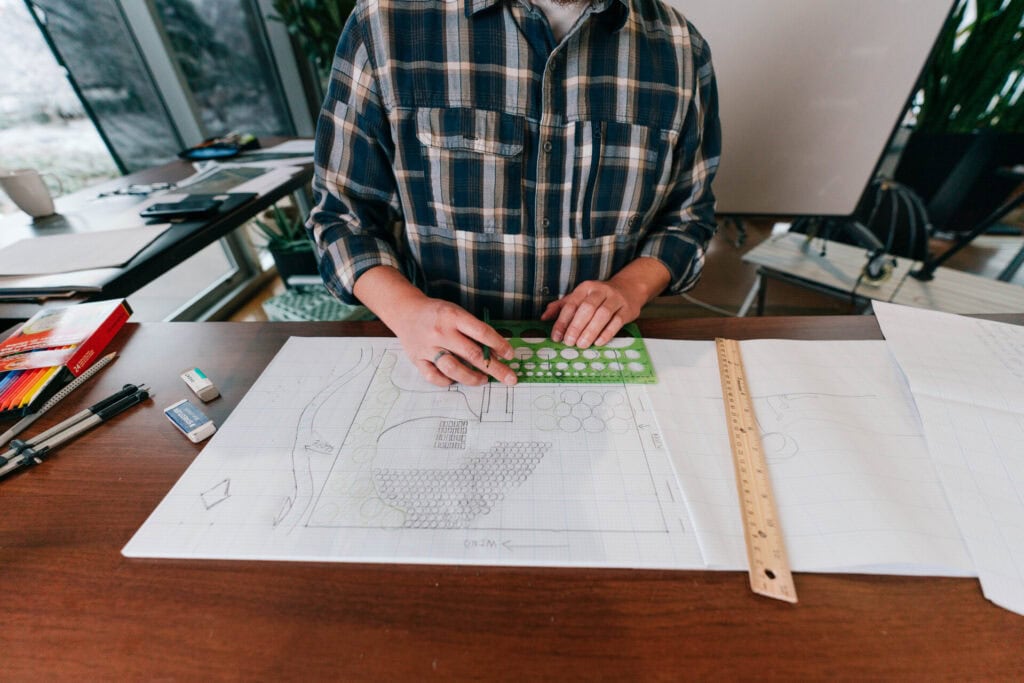
Permaculture Zones: The Secret to Smarter Design
One of the most powerful tools in permaculture design is the concept of zones. Once you understand them, your whole homestead layout starts to come together.
Think of zones like ripples on a pond, with your home at the center. The closer something is to the house, the more attention it requires. The farther out it is, the less hands-on you can be. This simple idea helps you place everything right where it belongs.
Here’s the breakdown:
- Zone 0: Your home, the heart of the homestead.
- Zone 1: Things you use or check on daily, like your herb garden, compost, or chicken coop.
- Zone 2: Elements that need regular care, like a larger garden, greenhouse, or orchard.
- Zone 3: These are items that require less frequent attention — think grazing areas, pastures, or a bulk-crop field.
- Zone 4: This is a lightly managed wild space, such as a woodlot or foraging area.
- Zone 5: This is the untouched wilderness on the edges of your property — a place to observe and learn from nature.
Treat these as flexible guidelines, not rigid rules, and you’ll design a homestead that works for you.
Design With Nature In Mind
If there’s one thing permaculture teaches us, it’s that nature knows what it’s doing. When we pay attention to nature, we start to notice patterns — and those patterns form a template that guides our decision-making on the homestead.
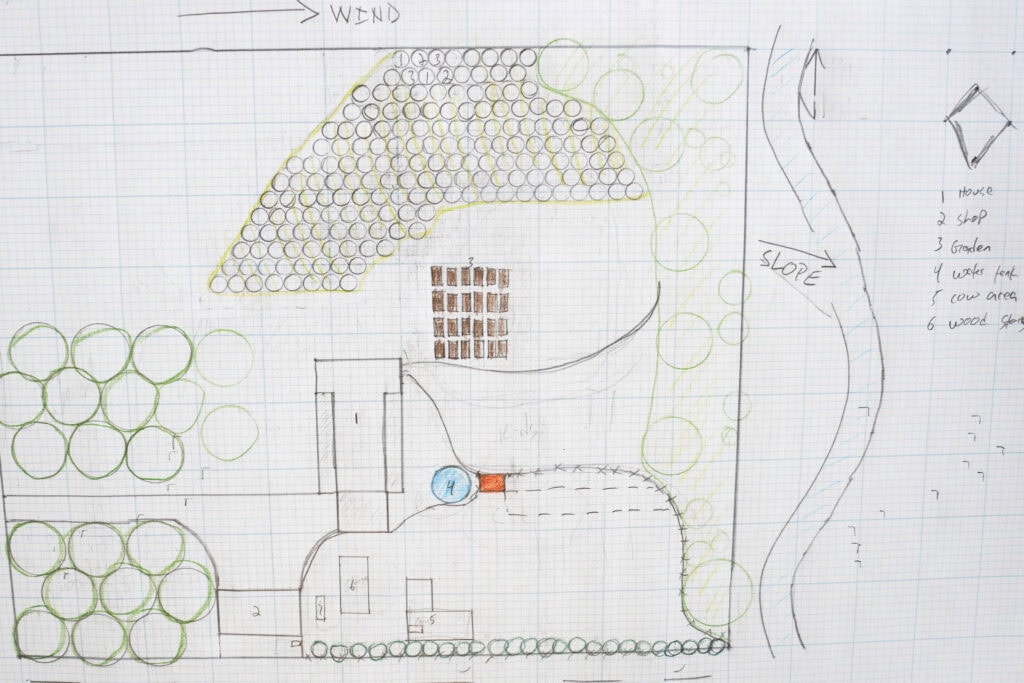
That’s where something called sectors comes in. Sectors are the natural forces that influence your land. These are things like:
- Sunlight: Where does it rise, where does it fall, and how does it shift with the seasons?
- Water flow: Does rain rush downhill? Pool in certain spots? Can you capture and store it?
- Wind: Which direction does it usually blow from? Do you need windbreaks or breezeways?
- Slope: How does the land rise and fall? Can gravity help you irrigate or drain?
When you observe these forces, you begin to design with the land, not in spite of it.
Instead of battling soggy ground, stick your duck coop in that spot. Instead of shading your garden with a barn, place it on the sunnier slope. These choices save time, energy, and frustration down the road.
Permaculture invites you to observe first, act second. It’s slow, thoughtful, and deeply rewarding. And when your layout flows with nature, everything tends to thrive.
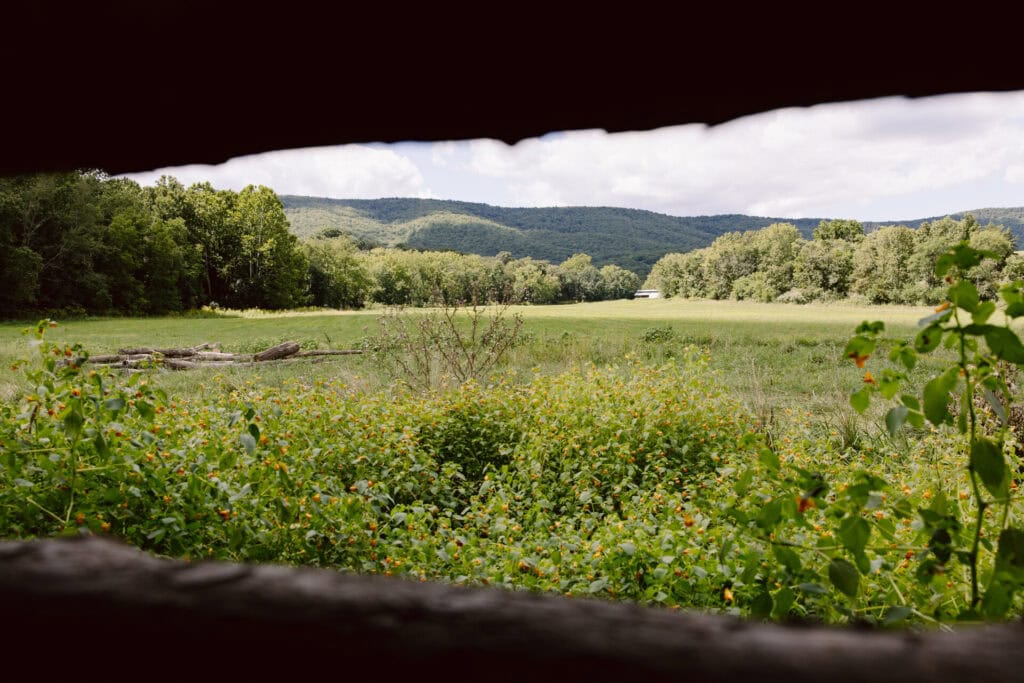
Avoid These Common Layout Mistakes
When you’re excited to get your homestead going, it’s tempting to skip the planning and kick into high gear. But a little reflection up front can save you years of backtracking later.
Here are a few common layout mistakes to watch out for and tips for avoiding them:
1. Placing elements too far apart
If you have to trek across the property three times a day to check on chickens or grab a tool, you’ll tire out quickly. Keep frequently visited areas, such as your kitchen garden and animal shelters, close to the house.
2. Forgetting access routes
Wheelbarrows, garden carts, water hoses, and even vehicles need clear paths. Don’t wedge your greenhouse between fences or plant fruit trees so tight you can’t mow or prune. Think like a delivery driver: how are you going to get in, out, and around?
3. Ignoring water flow and wind
Pay attention to how water naturally moves across your property. Water is a gift, so long as you can guide it to where it’s needed. Likewise, a well-placed windbreak can protect your garden or animals.
4. Not planning for growth
That little chicken coop? You might outgrow it in a year. Leave room to expand, rotate animals, or add garden beds over time. From the start, build and design with growth in mind.
What matters here is attention and intention. Each smart choice you make now will, down the line, bless you many times over.

From Dream to Design: Bloom Where You’re Planted
Permaculture design can seem overwhelming or out of reach, but the only thing you really need is a willingness to look at your land with fresh eyes and start with what you have.
Are you on a half-acre suburban lot? You can design zones, manage water, and grow food right there.
Starting with raw land? Great, but think carefully before placing anything permanent. (And don’t be afraid to hold off on certain items! Joel Salatin recommends waiting three years before putting in any permanent, non-perimeter fencing, for example.)
Already mid-stream with garden beds and animals? It’s never too late to observe, adjust, and realign your layout with your long-term goals as needed.
Start by walking your land. Study it and take notes. Notice where the sun falls in the morning, where the frost lingers, where the soil stays damp. Where do you naturally walk each day? What feels easy, and what feels like a hassle?
Then, match that rhythm with your homestead goals. If you want to spend more time in the garden and less time hauling buckets, bring your water source closer or rethink your garden’s location. If your evenings are busy, maybe your animals need to be closer to the house.
A good design meets you where you are. That’s the beauty of permaculture: it’s practical, personal, and totally scalable.
One More Thing…
The only thing you need to build a homestead that works in harmony with nature is a willingness to pause, observe your land, and take the next step with purpose.
Permaculture principles give you the tools to create a space that nurtures your family, builds resiliency, and improves the land with every passing year. And with a good layout, you’ll spend less time fixing problems and more time enjoying the fruits of your labor.
Thankfully, you don’t have to figure this all out on your own.
Laying out your homestead with permaculture principles takes guidance, a clear methodology, and someone who’s been there. Let permaculturist Nicholas Burtner lead you through the entire design process in his class, Homestead Planning & Design from the School of Traditional Skills.
You already have the dream. Now it’s time to lay it out and build with confidence, one thoughtful step at a time.
Homestead Planning & Design
Join Nicholas Burtner from the School of Permaculture and design a simple, powerful homestead layout.