For one, raised beds respond quickly to weather swings. That’s part of what makes them productive – they extend the growing season on both sides. But if the design doesn’t suit your climate, the same bed that works well in one region can be ineffective in another.
How do you choose a raised bed that will help your garden thrive and make life easier, not harder? That is just what we’ll tackle here – building a bed based on the weather you live with, so day-to-day care feels steadier and simpler.
Start With the Main Stressor in Your Climate
The challenges you face in a raised bed garden depend largely on your climate:
- Hot and dry climates: increased moisture loss
- Hot and humid climates: leaf wetness and disease pressure
- Cold climates with a short growing season: timing and protection against the cold
- Climates with frequent freeze-thaw cycles: degradation of bed corners and materials over time
- Windy climates: soil can dry out faster, and winds can tear up coverings
- Wet and rainy climates: long wet seasons can leave roots sitting in saturated soil too long
In raised beds, these issues tend to appear sooner compared to in-ground gardening because of the reduced soil volume. This can be an advantage for raised bed gardens, but may also leave them more vulnerable if not managed properly. What you need is a setup that can handle your biggest stressors without requiring constant attention.
A Quick Climate Check
Before you buy materials or even start designing the beds, take note of weather trends during the growing season.
Do your summers bring more stress from heat and drying, or from heat and humidity? Do you deal with hard freezes, frequent freeze-thaw cycles, or a short growing season? Is strong wind common during your main growing months? Do you get long wet seasons or heavy rains that leave the soil saturated for days at a time?
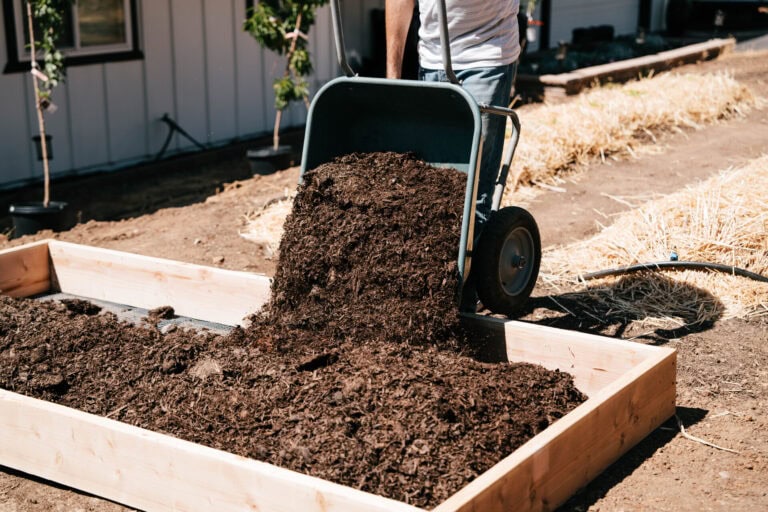
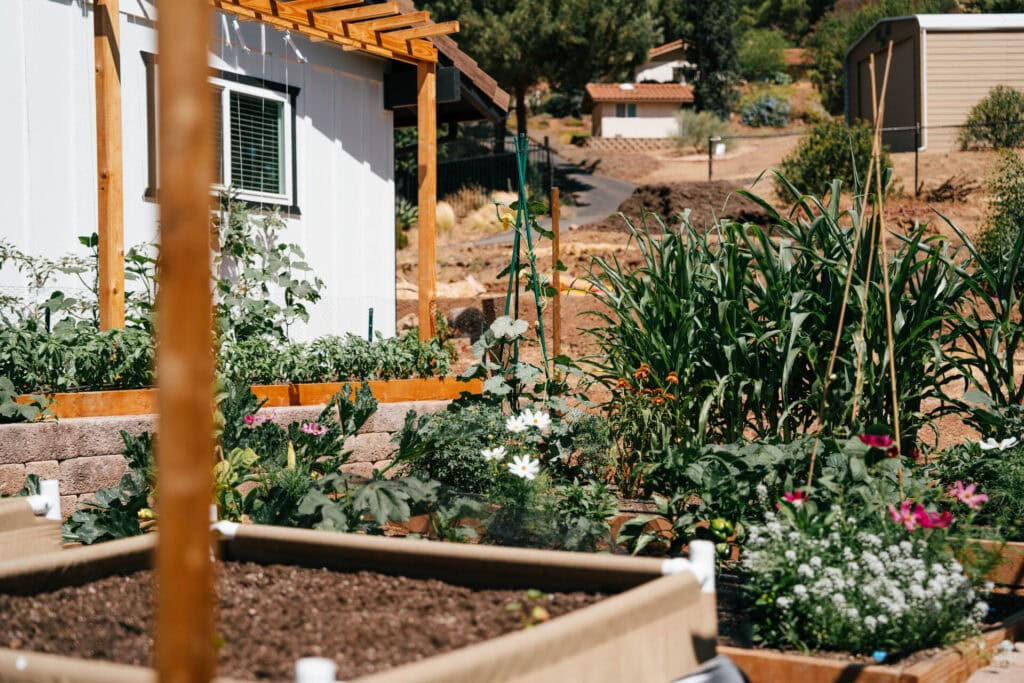
Then look at the site itself and determine if the sunlight, water, and access are sufficient. Beyond this, you’ll also want to decide on the bed style, its height and depth, and how to fill it – topics we’ve covered in other articles.
Choose Wall Materials with Climate in Mind
Wall materials matter for durability and, in some climates, root-zone temperature.
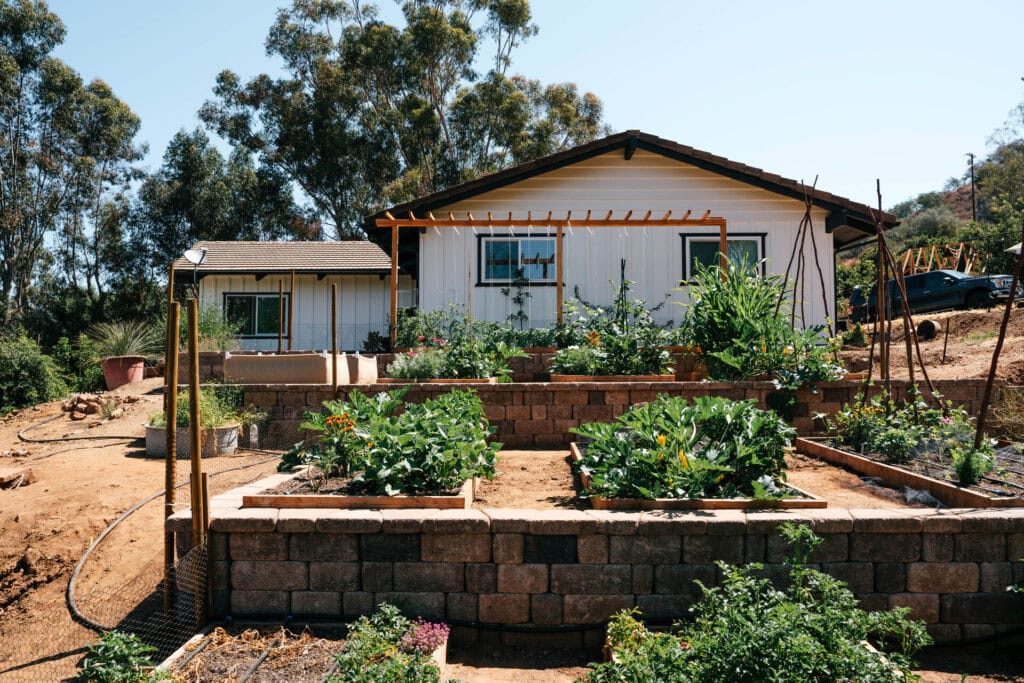
In hot climates, thin walls can draw heat into the bed, adding stress during peak summer hours. Brick or wood are better insulators than thin metal or thin fabric, which can help keep the root zone more temperature stable on the hottest days.
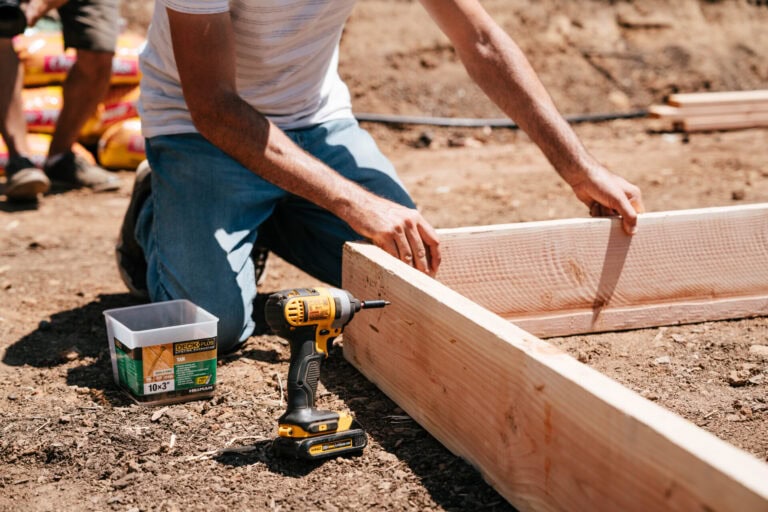
In freeze-thaw climates, the stress is different. The bed needs strong corners and a build that stays square and level as seasons change. Basic checks and small repairs should be a normal part of maintenance.
In wet climates, consistently moist conditions can shorten the life of some materials. If you’re confident about the site you’ve chosen for your beds and have successfully completed at least one growing season already, investing in rot-resistant wood, brick, or stone to build the frames could pay off in the long run.
In windy climates, strength and anchoring matter because wind pulls on coverings, loosens joints over time, and dries out soil faster than expected.
Watering Method Should Influence the Build
If you plan to hand water, keep the number of beds and spacing realistic for how often you can check them. Hand watering works best when you can catch dry spots early, before plants show stress.
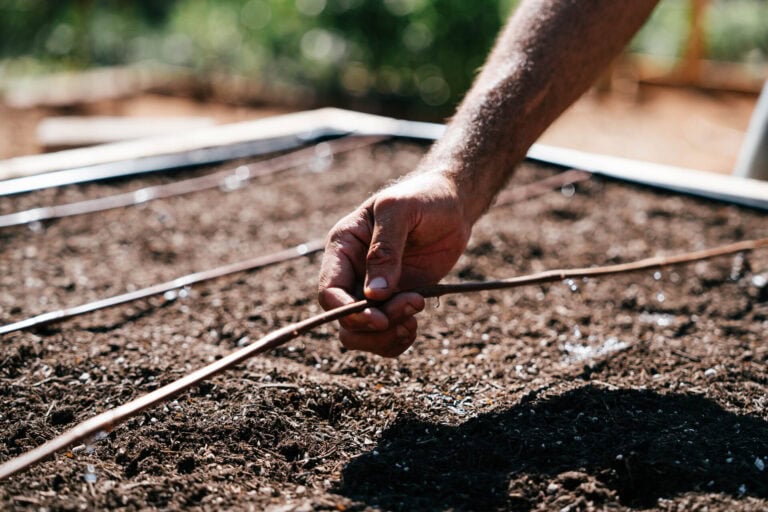
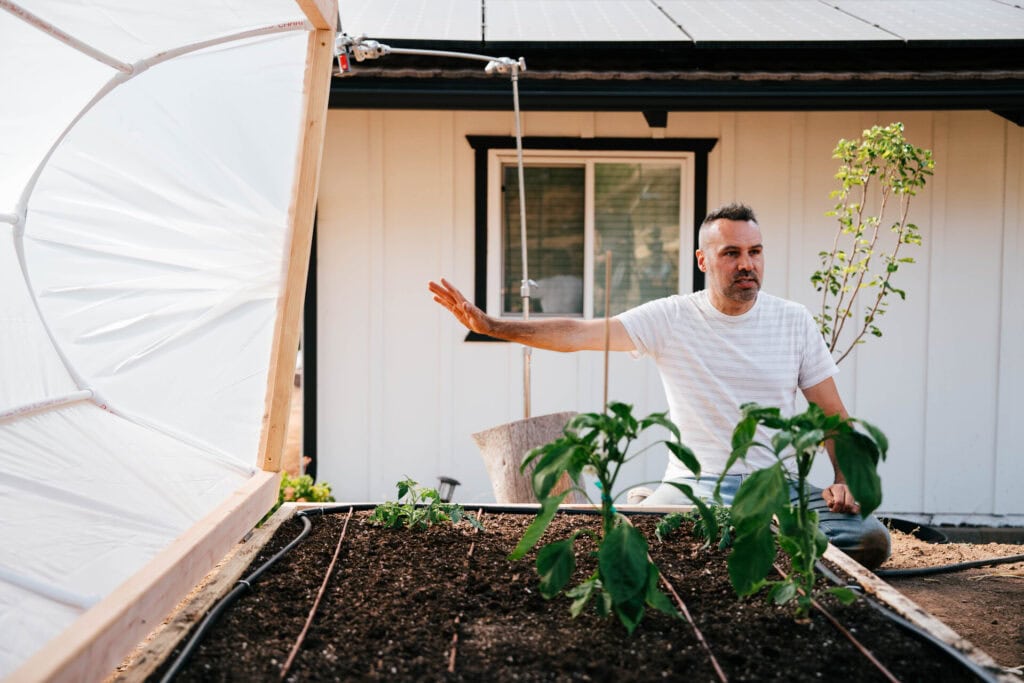
For more consistent results, consider drip irrigation – especially in combination with a programmable timer. It is easier to maintain once in place, delivers water directly to the root zone, and helps prevent uneven watering. It also minimizes splash back from soil to leaves, which can help reduce disease pressure over time.
This is especially valuable in hot and humid climates, but can also help tremendously in cold and short-season climates. Where conditions are slower to dry, keeping foliage drier supports healthier plants.
When Seasonal Protection Belongs in the Plan
In cold climates with short seasons, it helps to plan for protection before you build.
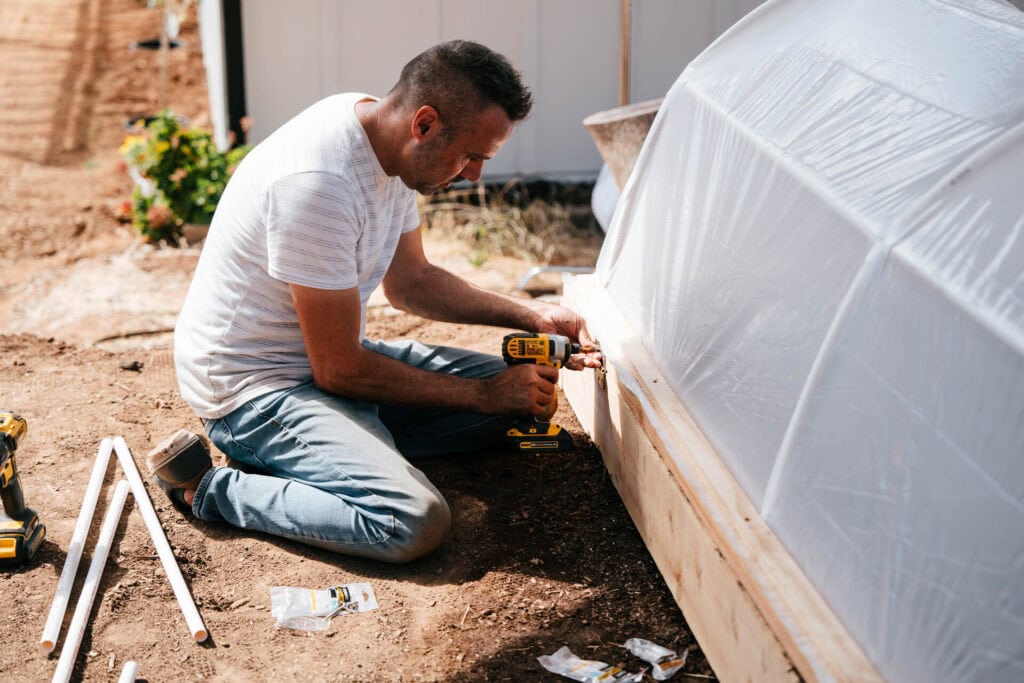
A seasonal protective cover like a mini hoop house can help widen the planting window in spring and fall. If you’re planning to use one, designing the bed with that covering in mind from the start can make setup easier. (Wondering how to build a mini hoop house over your raised bed? Brian Lowell’s class on Raised Bed Gardening provides all the directions you need.)
In hot climates, the same thinking applies in the other direction. If your bed design can support a shade cloth, that may be effective in protecting your plants during heat waves.
Simple Build Profiles by Climate
Hot and Dry
Focus on moisture stability. Open-bottom beds on native soil can be forgiving when roots can grow down into cooler ground. If roots are confined to the bed, consider more depth to give them more moisture reserve. Plan on consistent watering, a thick mulch layer, and insulated bed walls that do not draw heat into the root zone. Installing a drip irrigation system could help minimize the water lost to evaporation.
Hot and Humid
Focus on airflow and reducing leaf wetness. Keep bed spacing manageable so air moves between plants (though many experienced gardeners find that good soil supports healthy plants even when closely spaced). Drip irrigation would also be a strong choice here because it reduces splash and keeps foliage drier during watering.
Cold and Short Seasons
Focus on early- and late-season protection. Choose a build that makes adding and removing a mini hoop house or other seasonal covering straightforward. Plan for a watering system that can be shut down before hard freezes arrive, and consider drip irrigation to reduce splash during the cooler, slower-drying weeks of the season.
Freeze-Thaw Cycles
Focus on structure, especially tight corners, solid fasteners, and a base that stays level even as the ground moves through freeze-thaw cycles. Seasonal checks and small repairs are part of owning a bed in this climate, not a sign of a problem.
Windy
Focus on strong anchoring and moisture loss. A sturdy bed that does not rack or flex under pressure holds up better over time. If you plan to use coverings or shade cloth, build in anchoring points from the start rather than adding them later.
Wet and Heavy Rain
Focus on drainage and soil structure. Choose a bed placement that avoids water pooling at the base. Keep the soil covered to protect its structure during long wet stretches, and plan for a soil mix that drains well even after heavy rain.
One More Thing…
Raised beds become more manageable when the build is tailored to your local conditions. Watering becomes more predictable, soil care feels simpler, and protective measures like a mini hoop house or shade cloth are easier to use when needed.
Choose your materials, watering strategy, and design with your main stress point in mind, and you’ll have raised beds that support your garden and your goals. Now that is working smarter, not harder.
Raised Bed Gardening
Join Brian Lowell to learn the simple steps to growing abundant and healthy vegetables in simple raised beds, no matter where you live.