
What if there were a better way? Paul Gautschi and his Back to Eden method offer just that: a regenerative, no-till gardening approach built on observation and imitation of nature’s patterns. It is a low-cost, low-input way to grow loads of food. Imagine spending less time fighting your garden, and more time enjoying it.
And it gets even better. Since this method works in most climates, it’s accessible to gardeners worldwide. As long as you can mulch with fresh organic matter (ideally wood chips) containing both green and brown material, you can practice Back to Eden in your own garden.
Observing Nature
Growing food is “all about paying attention,” says Gautschi. His own journey with Back to Eden gardening began in a forest. As he compared it to his garden, he observed that:
- Nature keeps soil covered. Ever heard the phrase, “Nature abhors a vacuum”? Bare soil does not last long in nature. Where ground has been eroded or tilled, seeds latent in the seed bank germinate to cover the exposed patch. Some might call them “weeds,” but these are the plant world’s first responders!
- Nature fertilizes in fall, not spring. Nature fertilizes in fall by dropping leaves and needles that blanket the ground. Covering soil in fall – before winter snows and spring rains – gives mulch a chance to compost, building fertility in time for spring growth.
- Nature does not till. While there may be a time and place for tilling, it damages the soil structure. It kills huge numbers of living organisms in the soil. It cuts available nutrients in half. It tends to compact the soil and dry it out faster. The good news? With Back to Eden, we can skip the tilling and recycle the nutrients back into the soil for the next season.
Gautschi’s major insight was to mimic the forest floor in his own garden through cover, compost, and recycling. The resulting method has proven adaptable, simple, and highly effective almost anywhere on the globe.
Let’s explore that now.
The Back to Eden Method Is Adaptable
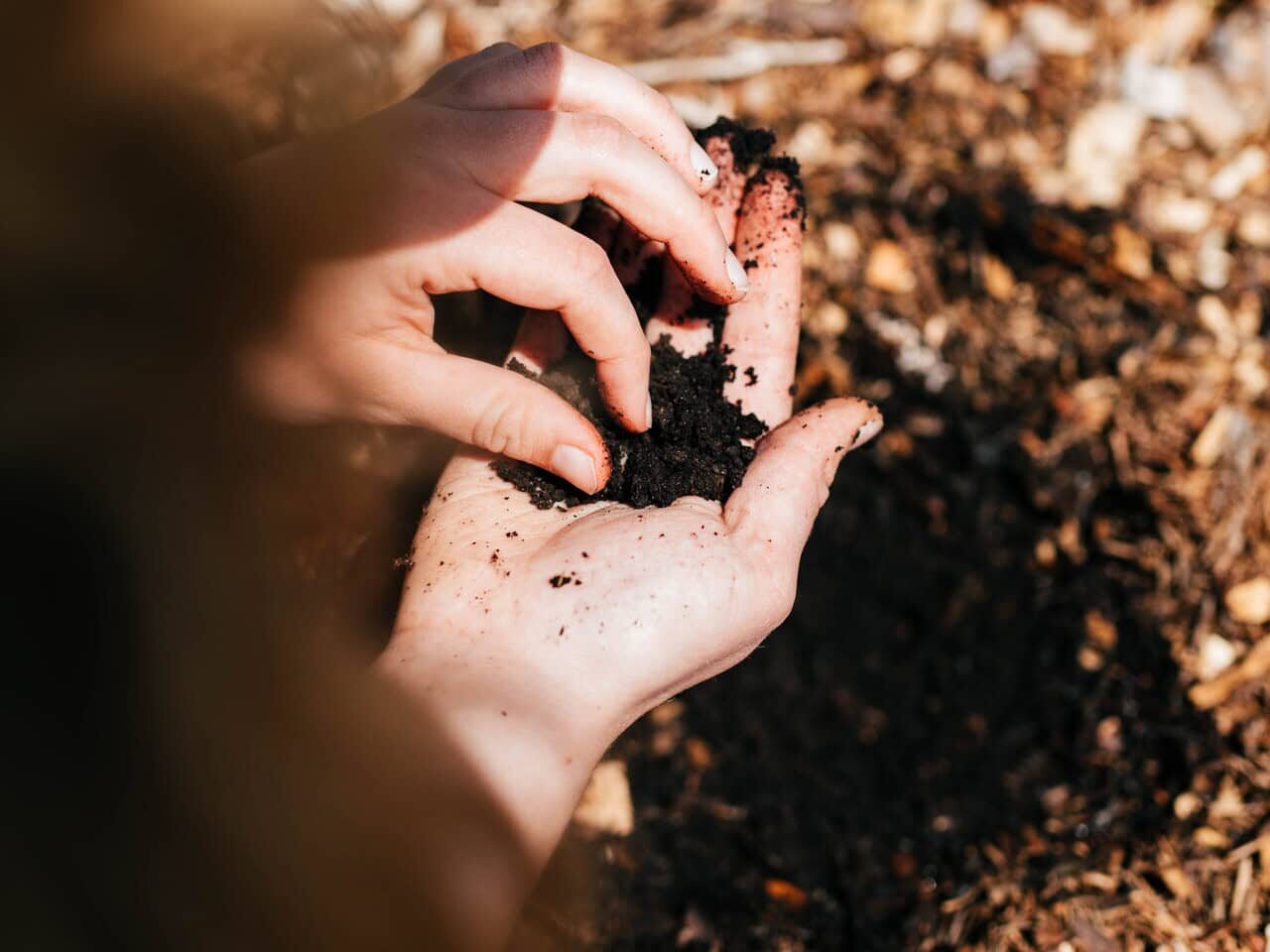
Paul Gautschi’s wood chip mulch method is flexible enough to work in almost any region of the world.
Wood chips help regulate soil temperature in most climates
- Cool Climates: Where cool temperatures prevail, wood chips act like a blanket, maintaining warmer soil temperatures
- Hot Climates: Where the climate tends to be hot, wood chips deflect sunlight and hold more moisture, keeping the ground cooler
- Temperate Regions: In temperate regions that experience both warm and cool weather, wood chips provide all of the above benefits throughout the year
It works on practically all soil types
Mulch improves soil health and structure regardless of its starting condition.
- Sandy Soils: Sandy soils, which struggle to hang onto water or nutrients, improve with the additional water and organic matter that wood chips provide
- Clay Soils: Clay soils are loosened over time as mulch breaks down and feeds soil life, allowing water to flow more freely and roots to penetrate further in accessing nutrients
- Silt Soils: Silt soils, by nature highly fertile, are improved with wood chip mulch, thanks to erosion reduction and more even water distribution
It works with any gardening style or planting method
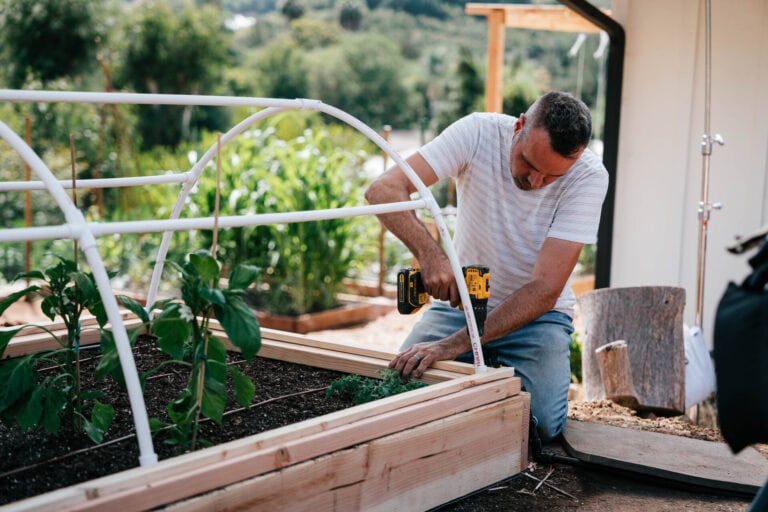
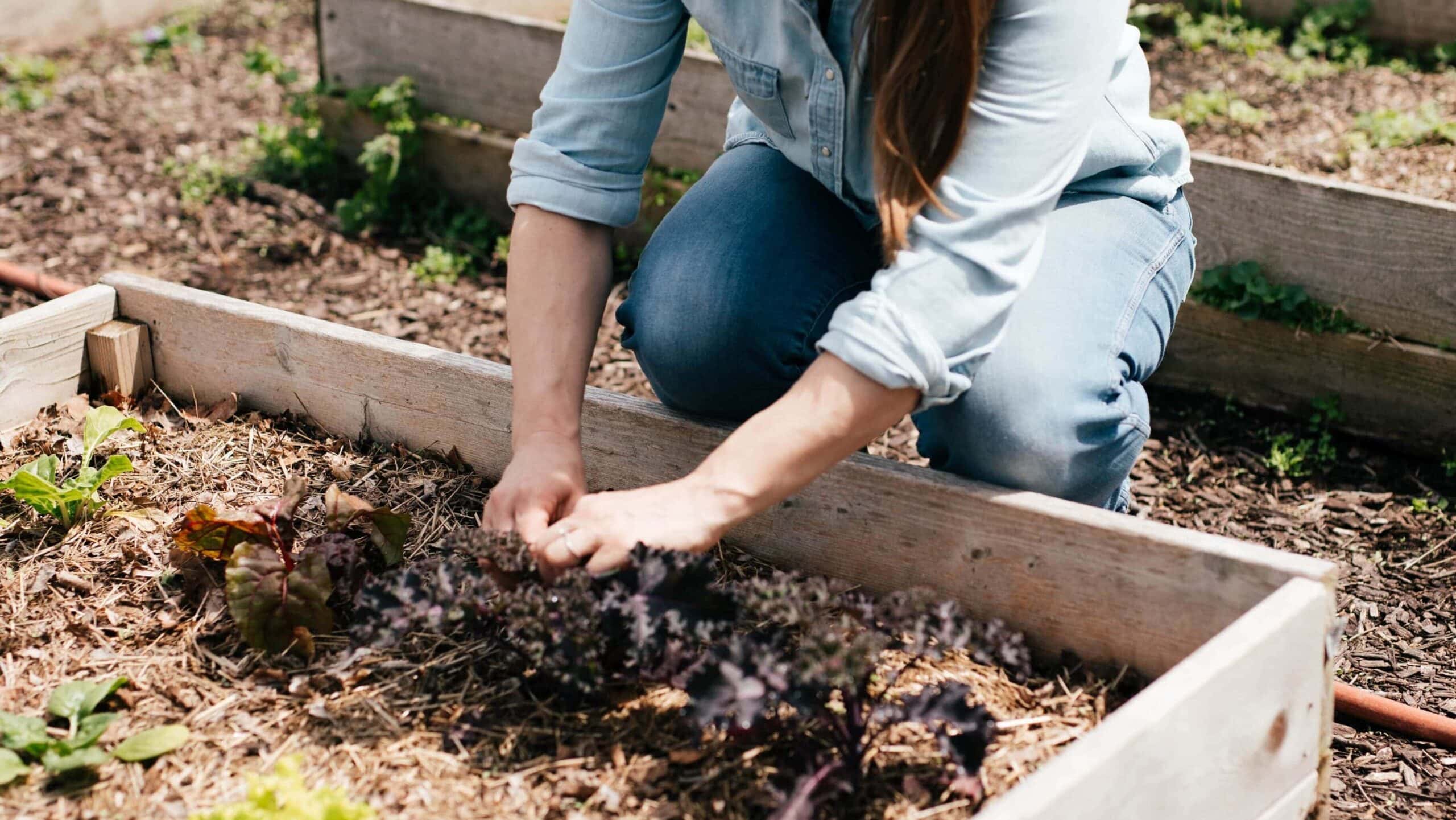
This method works whether you garden in-ground, in raised beds, or in containers.
- Fine Wood Chips: Fine wood chips allow for direct seeding
- Coarse Wood Chips: For coarser mulch, simply pull back the mulch to seed into the soil beneath and wait until the seeds have sprouted and grown some before mulching around the plant
Wood chips work in wet or dry areas
Wood chips work in both wet and dry zones, achieving a balance between water retention and distribution.
- Sponge Effect: Wood chips act as sponges, helping regulate water distribution by retaining moisture in dry zones and absorbing excess rain in wet areas.
- Irrigation: Mulched soil needs less irrigation, something especially important in drought-prone areas.
- Erosion Control: In wet climates, mulch lessens erosion and runoff by softening the impact of rain.
- Root Health: Across climates, water held by wood chips supports healthier, deep-rooted plants.
The Back to Eden Method Is Simple, but Powerful
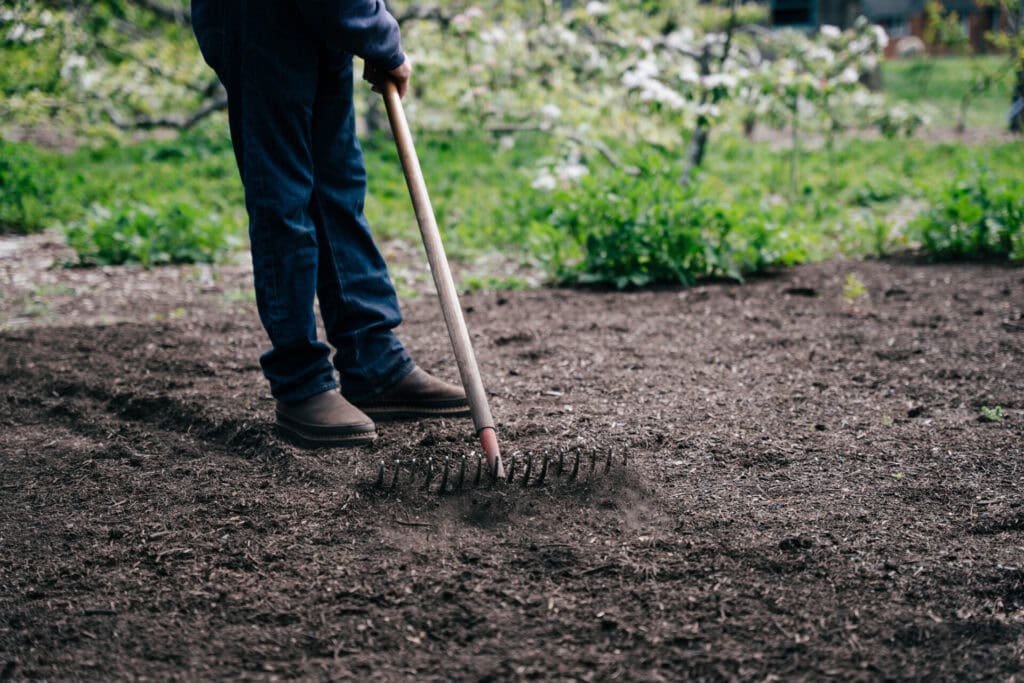
The genius of this method lies in its simplicity. It’s easy to implement, but makes a big impact on your garden, saving you time, money, and energy. Some of the improvements you may experience after just a few seasons include:
- Discontinued use of synthetic fertilizers and store-bought soil amendments. Organic matter from mulch (in combination with an initial 2- to 4-inch layer of finished compost) breaks down slowly, feeding the soil ecosystem naturally over time.
- Healthier soil and stronger plants. Healthy soil leads to strong plants that are better able to resist disease and insect pressures. For example, wood chips allow beneficial microbes to grow which combat plant pathogens. With any health issue that does appear, pause and reflect like Paul Gautschi suggests: What does this issue tell me about the current health of my plants and soil?
- No more tilling. Applying compost and mulching with wood chips feeds and aerates the soil without disrupting the soil biome. This approach keeps moisture and nutrients where they’re needed, and saves you the effort of trying to replace what was lost.
“Just Watch”
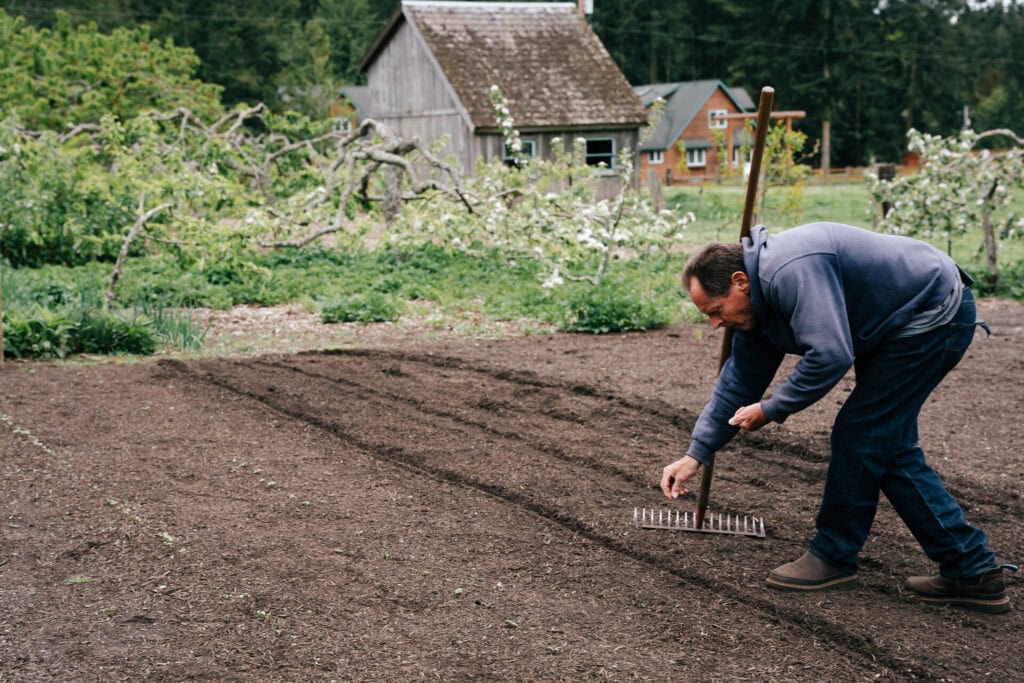
The Back to Eden Method is about taking your cues from nature.
It may take several seasons for issues to disappear and for a healthy, balanced ecosystem to develop. Be patient! It gets easier and better over time. Meanwhile, give thanks for the small victories, notice the changes, and stay the course.
In practically any climate, when you restore the soil with God’s method—cover, compost, and recycling—the results follow.
Inspired to learn more? To hear from Paul Gautschi himself, take his class at the School of Traditional Skills.
Back to Eden Gardening
Join Paul Gautschi as he shows you how to simplify your gardening by working with God’s principles as observed in nature.