For many gardeners in the Northern Hemisphere, February is not the time of year to rush into the growing season. Rather, it is the time to make the necessary preparations so that when favorable conditions do line up, spring planting can move forward at a steadier pace. And the first step is to consider your local weather and last frost dates.
Use Your Last Frost Date to Anchor Your Plan
Imagine an unexpectedly warm week takes you by surprise in late winter. How do you use this opportunity?
While you might be tempted to plant outside too early, you know that when winter temperatures return, tender plants are often the first to take the hit. That is just one of the benefits of using your last frost date as the gardening anchor for what to start now and what to wait on – you are less likely to get caught off guard by shifts in weather patterns.
And there’s another advantage: Planning backwards from that date also helps you time indoor starts and cold stratification for seeds that will be directly sown into the ground, so your transplants and seeds can be ready to go out when conditions are right.
Note: For a step-by-step guide on starting seeds indoors, including timing for potting up and transplanting, check out this article on starting seeds (When to Start Tomato Seeds Indoors).
What to plant in February
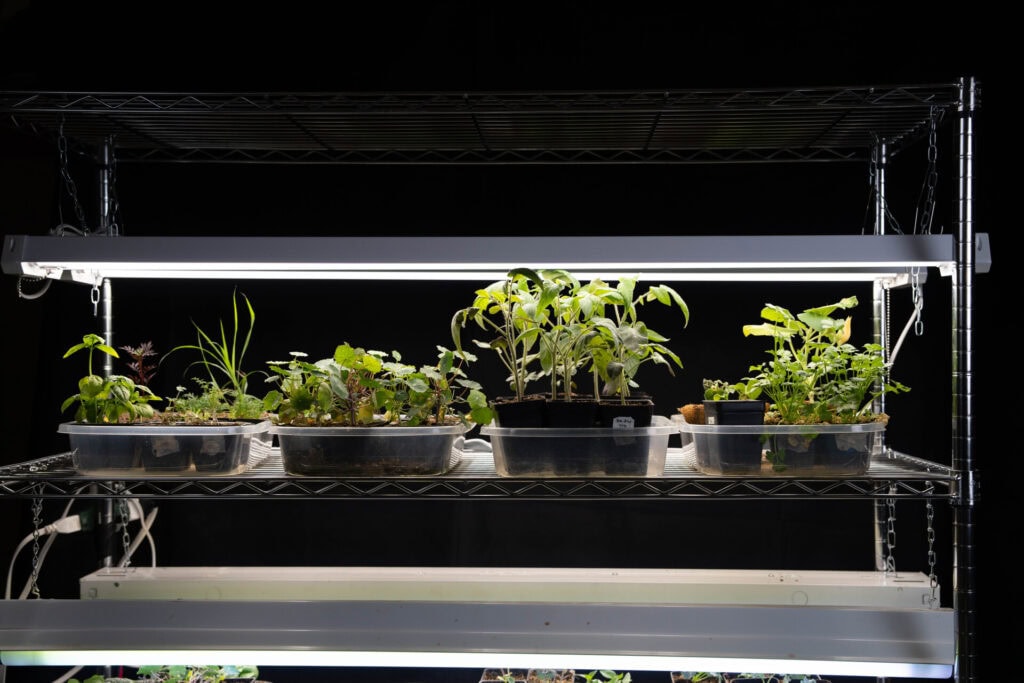
Unless you’re in the tropics, February planting will mostly entail getting indoor starts underway and planning for direct sowing later in the season.
Subject to your location, strong indoor-start candidates to consider include:
- Tomatoes (link to the article on starting tomatoes indoors)
- Tomatillo
- Eggplant
- Peppers
- Onion
- Leeks
- Most herbs
- Most flowers
Some plants are on this list because they’re slow to sprout. For example, thyme and lemon balm seeds can take 14 to 21 days to germinate.
Others require a long growing season to reach maturity and benefit from starting early (looking at you, tomatoes!).
Still other plants are listed here because they tend to do better when given time to grow strong indoors before they face wind, cold nights, and uneven spring weather outside as new transplants. And some plants fall into multiple categories.
The thing to remember before transplanting seedlings is that some plants are quite cold-tolerant and can move outside right after the last frost date, but others could use a week or two of buffer. Keeping those distinctions clear means less likelihood of losing plants to an unseasonably late cold snap.
Cold stratification in February
February is also a practical time to handle cold stratification for seeds that benefit from a cold period before germinating. Common examples include lavender, sage, parsley, arnica, and echinacea.
Working backwards from your last frost date, plan to refrigerate those seeds for a few weeks before sowing. This can considerably improve germination rates for some seeds. (Refer to our Herb Gardening class for the particulars on timing and temperature by plant.)
What to direct sow later
Plants recommended for direct sowing typically fall in one of two categories (and occasionally both): they are hardy enough to tolerate the seasonal transition periods, or they struggle with transplanting (think cilantro or corn).
It can feel like we’re getting ahead to start these indoors, but many do best when they are direct-sown at the right time. Sometimes even a carefully tended transplant is outperformed by a neighboring plant started from seed outside!
Prepare Garden Beds During Late Winter Warm Spells
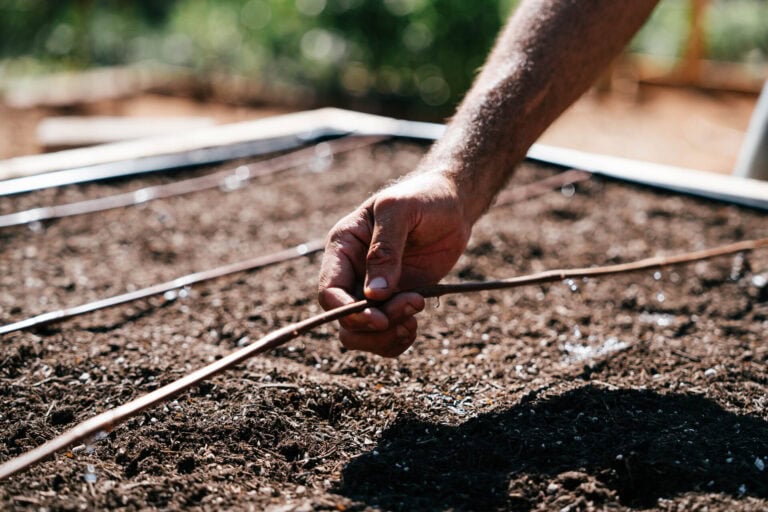
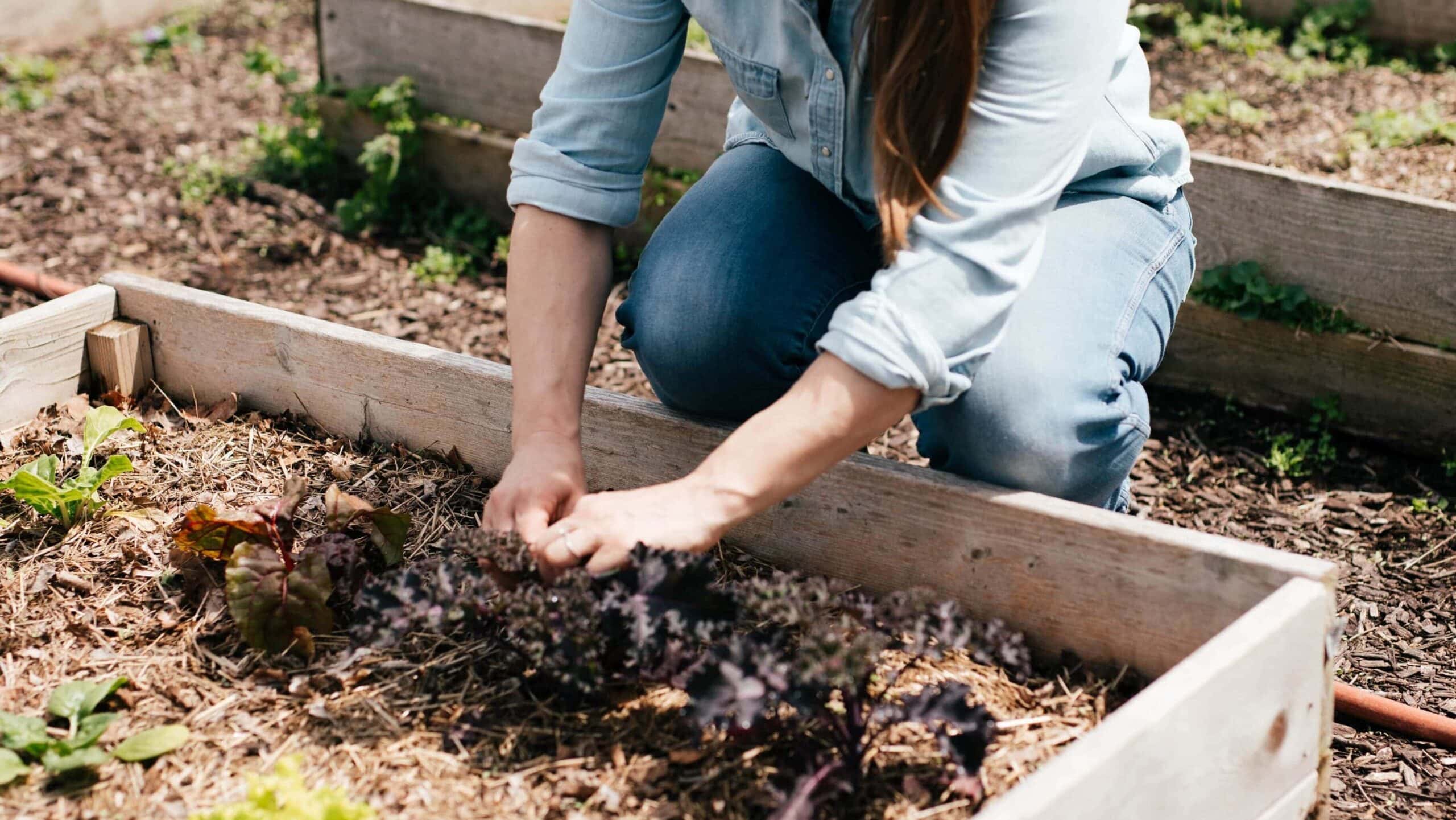
If a warm spell does arrive long before your last frost date, use this window to get outside and check out your beds. Look for thin spots or exposed soil, and get to work mulching those areas.
Covered soil tends to hold moisture and protects soil life as organic matter breaks down. Adding mulch to bare spots is a simple way to keep that soil protected and ready for planting when spring conditions arrive.
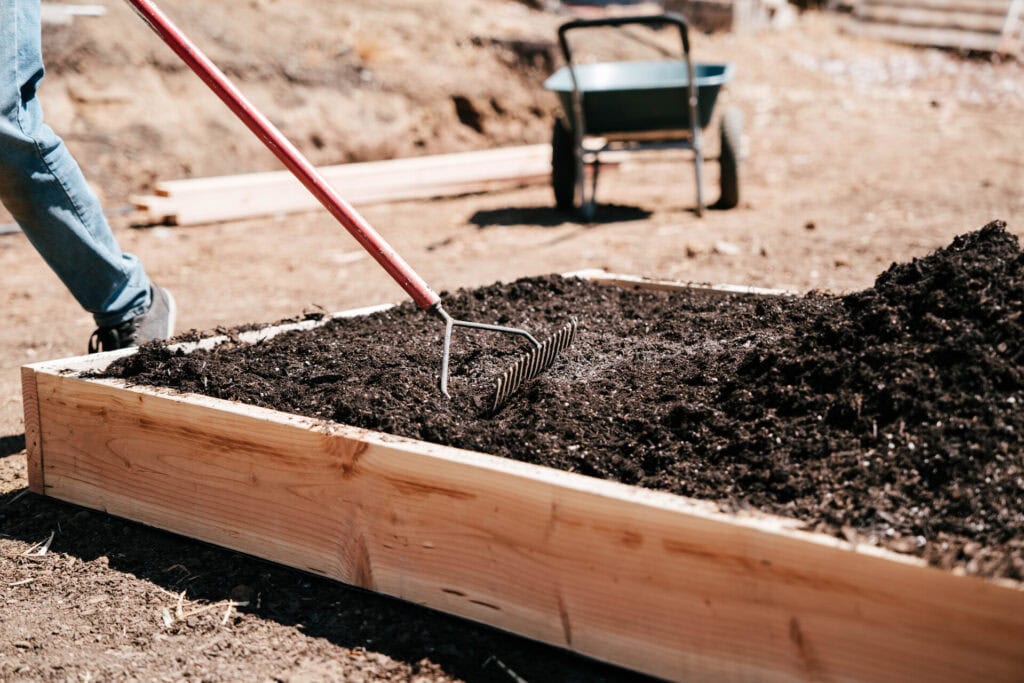
While the garden is still quiet, this is also your chance to build or repair raised beds.
Raised Garden Beds: An Easy DIY Solution
A Season for Planning and Learning
Before the fast-paced spring gardening days arrive, use February to handle the planning work that makes the growing season easier. A few suggestions:
- Write down what you started and when, even if it is just a few lines. This reduces guesswork next year and creates a record of what works in your climate. A simple gardening notebook is a handy tool!
- Map your space before trees leaf out. Note where the morning sun hits, where wind funnels, where snow melts first, and how water moves along your property.
- As you map things out, thinking through your companion planting arrangements can help you solidify what to plant where.
- If you are considering adding a new element to the homestead this year, February is a practical time to learn homestead design principles and avoid possibly expensive mistakes before you begin building.

One More Thing…
Even if your ground is still frozen, there is plenty for a gardener or homesteader to do in February.
If you keep it focused and plan around your last frost date, February is a great time to take care of a few tasks that can really jumpstart your spring planting, from beginning seedlings indoors to ensuring that soil is covered and ready. Those small steps now can help the coming season feel more manageable when it arrives. Your future self will thank you!
Seed Starting
Join Rick Stone from Stoney Acres Gardening as he guides you step-by-step through the full seed-starting process.