As a child, Victoria was not fed sugary cereals or packaged bars. Processed food, if it appeared at all, was “one pint of ice cream that we all had a little bit of and then it was gone.”
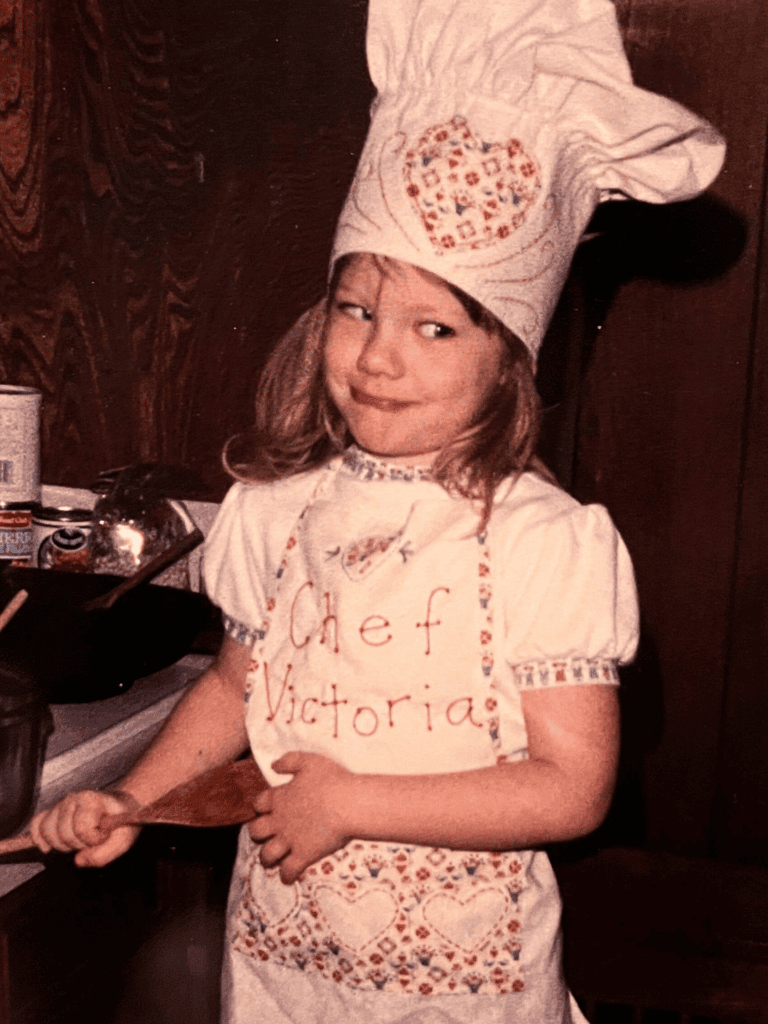
This was not the norm, exactly, in the 1990s, when Lunchables and Stouffers and Lean Cuisine flew off the shelves.
Nor was Victoria’s medical care the norm.
When she was four years old, her parents started taking her to a chiropractor who practiced applied kinesiology.
It turns out that this was her father's version of rebelling; his own mother had been deeply committed to conventional medicine.
“The only way my dad could rebel was to look for alternative forms of healing,” Victoria says. “And we had a lot of great healing over the years from applied kinesiology. We still do that.”
The natural ways reigned.
Her grandfather, her mom’s dad, gardened like it was World War Two. Her mother bought wheat berries by the five-gallon bucket. And when Victoria was fifteen, her mother inherited over 300 acres in West Texas. The family moved out there to build a house and start a homestead; her grandfather, then in his eighties, was still gardening and immediately planted one spanning two full acres.
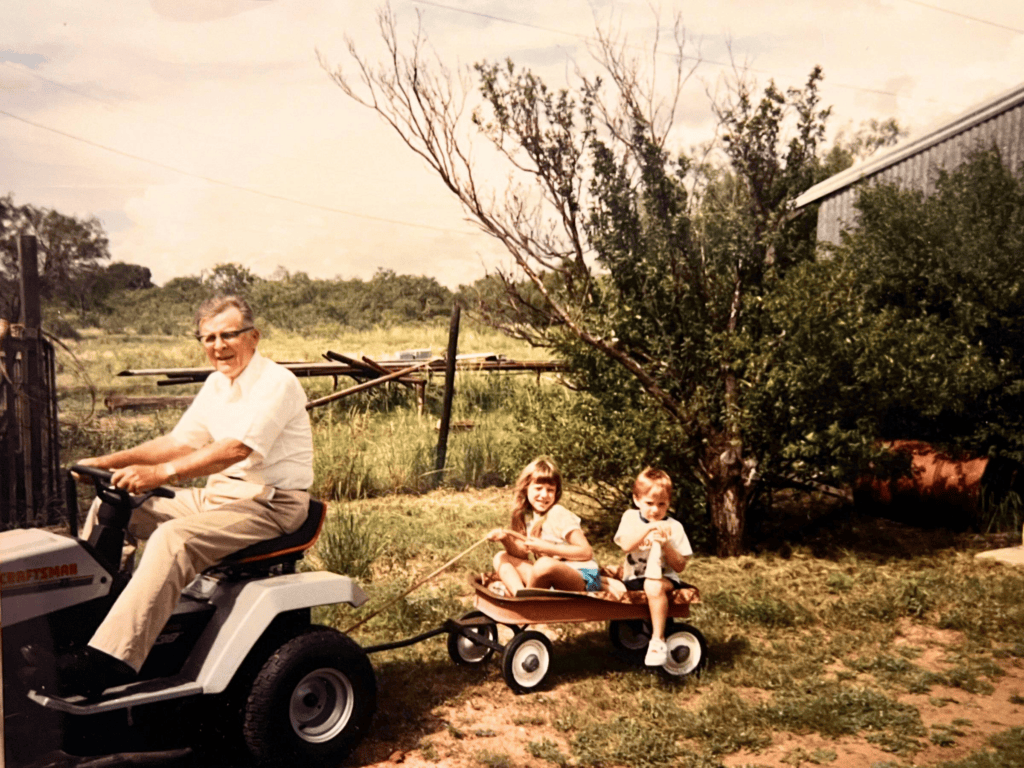
Despite the arid, harsh conditions in West Texas, “everything just thrived under his attention,” Victoria says. “He had a wonderful green thumb. We had hundreds and hundreds of pounds of green beans. We had squash coming out of our ears.”
Victoria and her mom had no choice: they started canning.
It turned out that this was also a huge money saver. Getting to the grocery store required a lot of gasoline.
West Texas was sparsely populated. Then, it was largely oil country (today scarred up by enormous wind turbines), and scattered with ranches.
One time, Victoria says, her dad, an engineer, got paid for a job not in cash, “but in half a bison.”
Between that and the fecundity of the garden, they were set.
“We started looking at the pantry differently,” Victoria remembers. “Here we had a freezer full of bison, and a pantry full of canned fruits and vegetables, and it dawned on us: Oh, actually we could just eat from our pantry.“
She laughs. Today, Victoria is known for her Bulk Pantry expertise, even teaching a class on it at School of Traditional Skills.
“I hadn't even thought about those origins of the deep pantry,” she muses. “But that's how it started.”
The Blip
There is, in Victoria's story, a detour, a decade-long one, that shaped everything that came after.
At one point, her family went gluten-free. Food allergies had developed, and wheat was out. For years.
Then she read Wheat Belly, by Dr. William Davis. He wrote about einkorn, which literally means “one grain.” Einkorn is an ancient wheat, the oldest cultivated grain, with a different gluten structure than modern wheat. Dr. Davis’s book posited that some people who had trouble with wheat might find einkorn more digestible and less problematic.
Emboldened by his research, Victoria found a recipe for the chocolate chip cookies she'd grown up making, the ones she hadn't eaten in almost a decade. She substituted einkorn flour for the old all-purpose, modern wheat version.
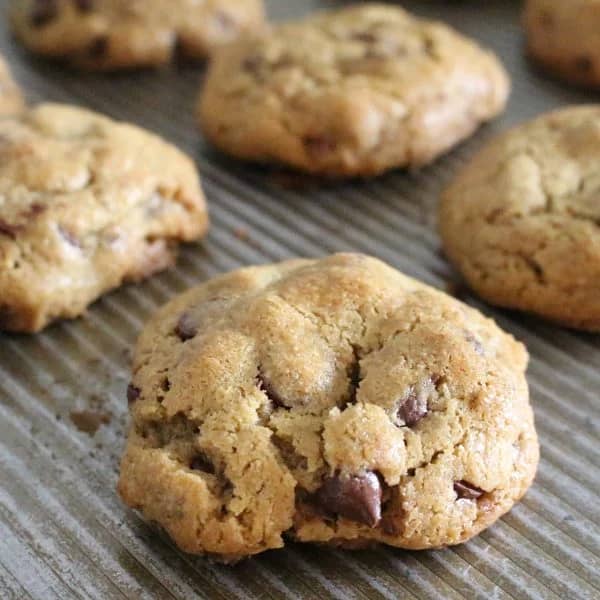
“We all took a bite to see how we felt,” she says. “And none of us had a reaction.”
Two days later, they tried a whole cookie.
It was a revelation.
“I started learning about einkorn flour, and that is actually one of the reasons I started my website (A Modern Homestead) – because there were no resources for einkorn recipes at the time.”
(Einkorn is notoriously tricky to work with – especially when freshly milled. So over a decade, Victoria has worked to develop recipes. She has proudly released a new app, The Einkorn Kitchen Pro App, that can take any recipe and convert it to einkorn, whether freshly milled or commercial, sourdough or yeast.)
As she continued to work on A Modern Homestead, she researched her other interests: how to eat clean without spending a fortune. How to feed your family well, even from a small space, even without land.
The feedback was overwhelmingly positive. The questions poured in, so she wrote more about einkorn, about canning, and about keeping that deep pantry.
For her, it was all part of traditional homesteading – whether one had acreage or not.
“Even if you're not on land, you can still eat high-quality food for less money than buying the terrible versions available at the store,” she says.
That's still the whole idea behind the site.
Her own Modern Homestead
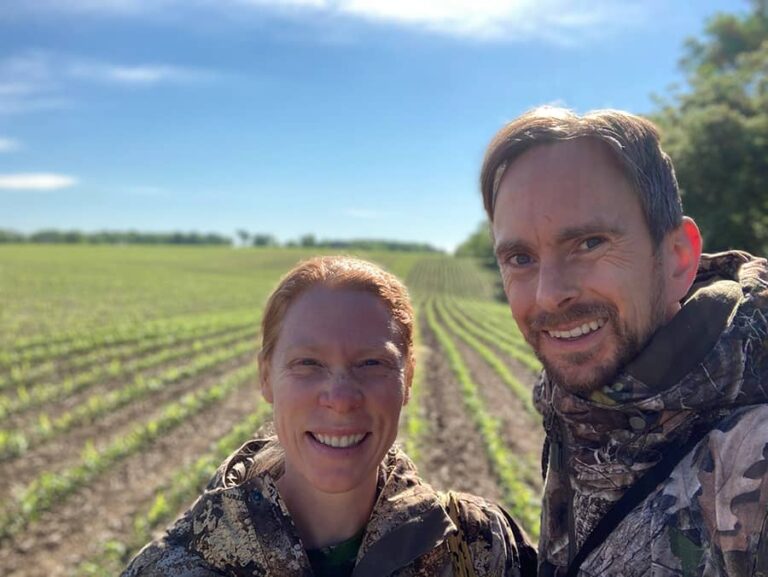
These days, Victoria still lives in Texas, and she really does practice what she preaches.
Her husband, Jason, very much did not grow up in an ingredients household. His was full of processed food, and lots of eating out.
His rebellion, of course, was to embrace the natural, just as Victoria’s dad had done.
“[My husband] is actually the reason we moved to this property,” Victoria says. “He wanted to actually homestead, not just rely on other people for the quality of our food.”
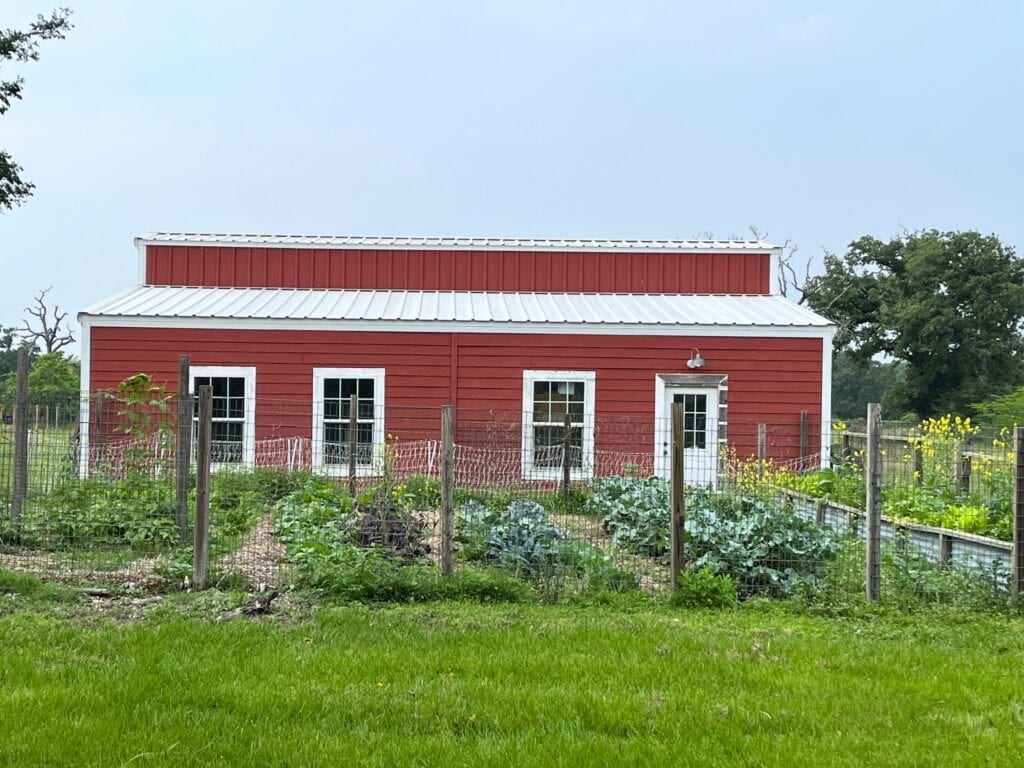
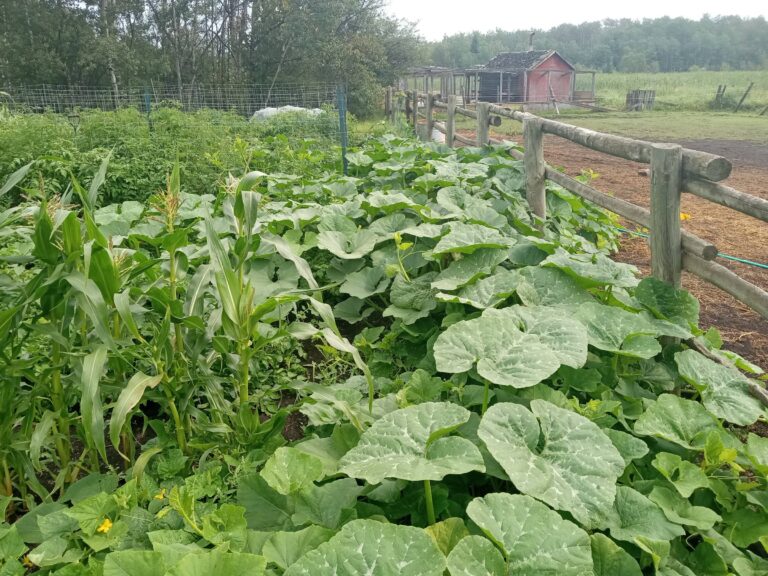
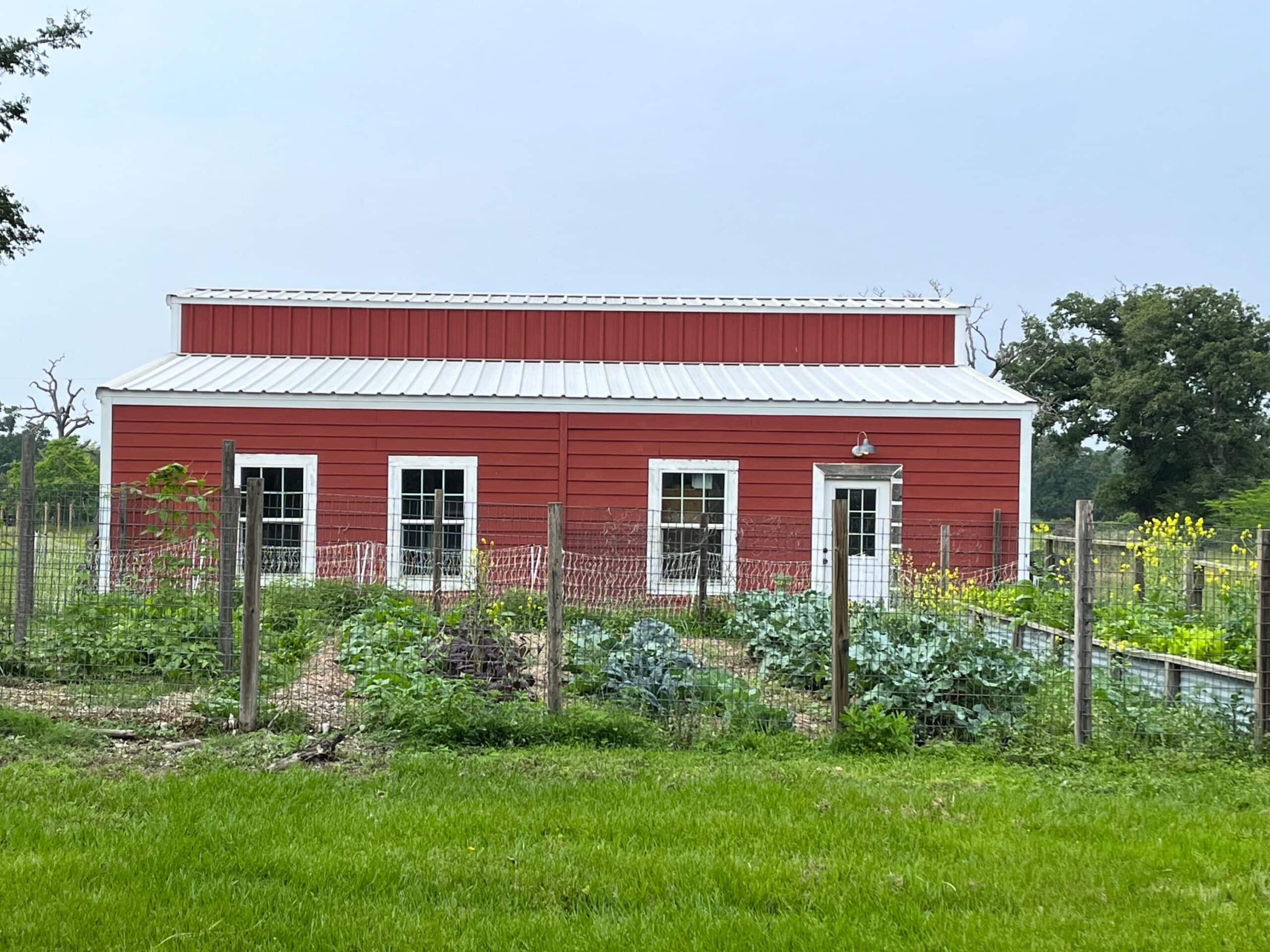
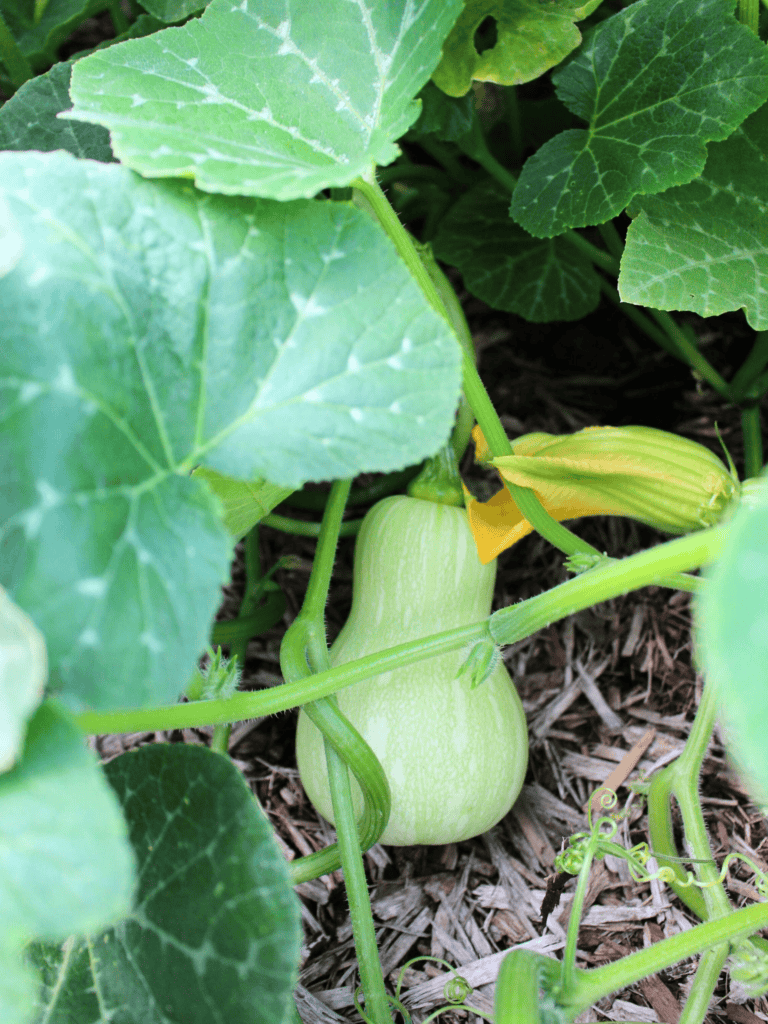
They are, by any measure, thorough about this. They have chickens. They had A2 milk cows until the land proved too small to graze them properly. They grow pumpkins and butternut squash that go in the ground in March and get harvested through November. They keep that deep pantry, stocked with grains, canned goods, and freeze-dried eggs by the half-gallon jar.
“I think at this point we have twelve half-gallon jars full of eggs,” Victoria says of her freeze dryer. “We do bone broth and mashed potatoes and just the things that people do. We love our freeze dryer.”
Their comfort food, the meal that appears when it's late and no one has planned anything, is “waffles and hot chocolate.”
She says she gets teased for it until she tells people why she loves it so:
(Hint: it’s the ingredients.)
Fresh-milled waffles. Grass-fed butter. A2-A2 raw milk. Fermented cacao. A little maple syrup. Jason makes the hot chocolate. He’s been adding collagen lately for a protein boost.
“Some men grill,” Victoria says, grinning. “Some men make waffles and hot chocolate.”
(Jason, she adds, does both really well.)
Staying flexible
Lately, after a very difficult four years, Victoria and her family have been following a health reset. She has been on a plastic purge, seeking brands that sell large quantities of grains, herbs, and the like in paper bags as opposed to plastic ones.
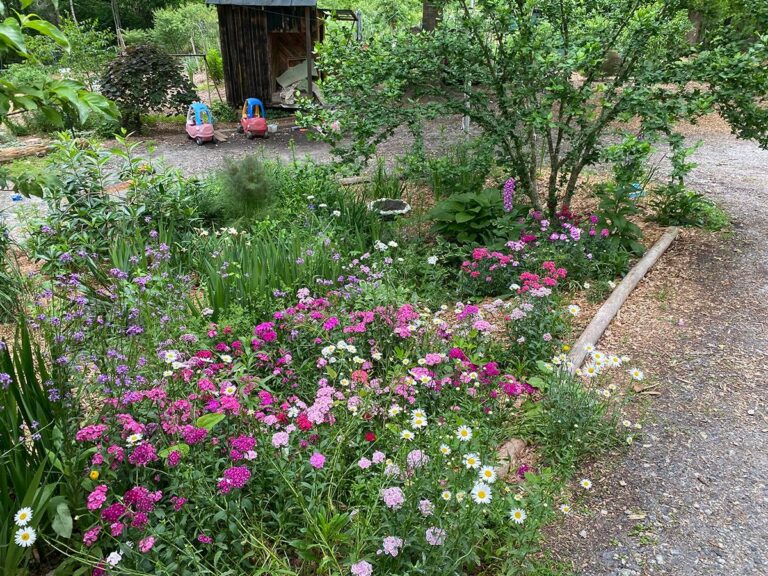
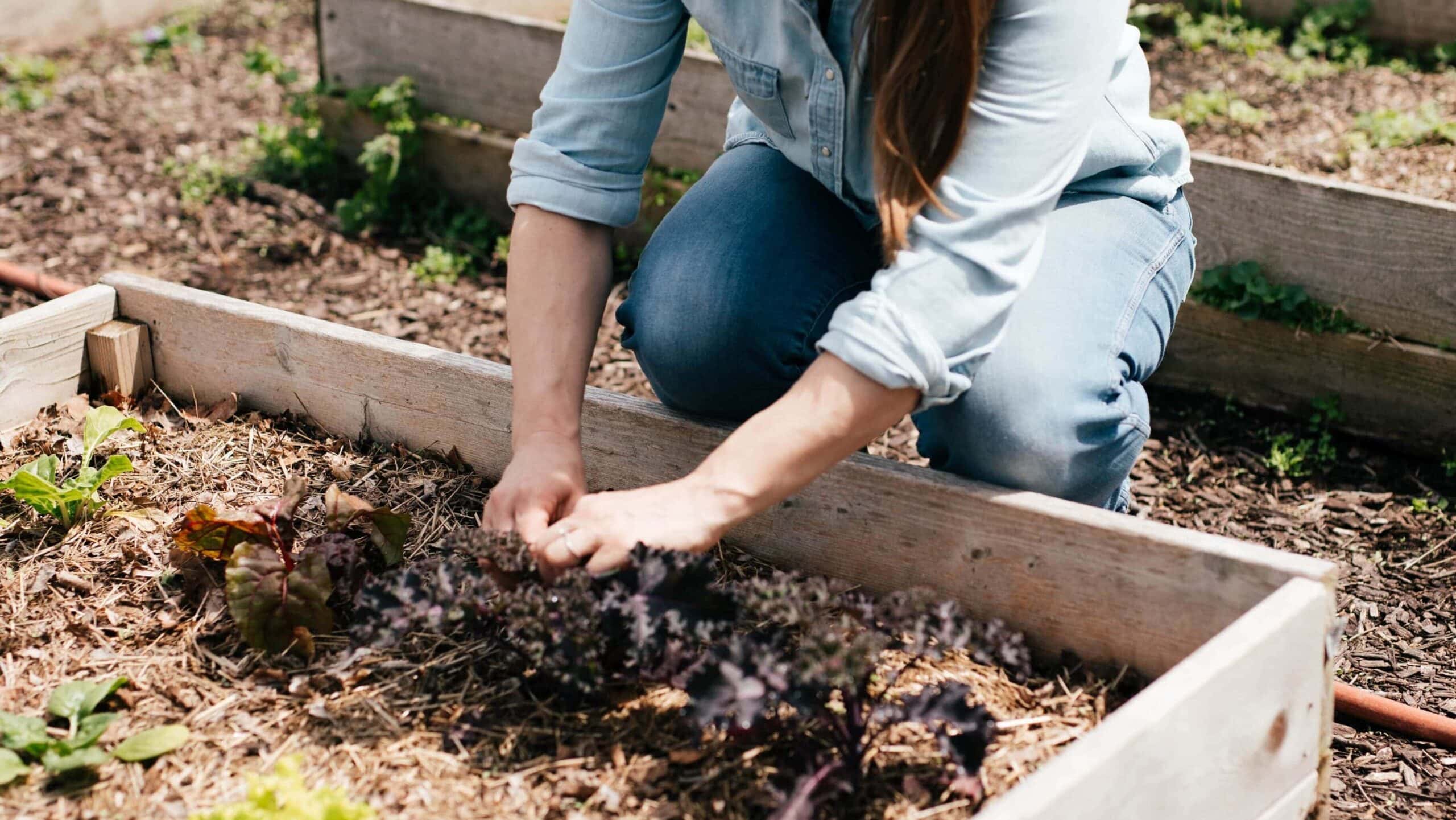
She pays attention to her water, the quality of her meat, the quality of her soil in her own gardens.
Yet despite her own rigor, she is refreshingly un-rigid about the big picture.
“Our food philosophy is from-scratch, whole ingredients as often as possible,” she says. “We try not to bring anything into the house that isn't [clean], but sometimes, you have to eat out. You can't avoid it when you're traveling.
“And sometimes we have a Mexican Coke,” she says, smiling.
As for the plastic purge, it started when she noticed that after four years in “survival mode,” she had far more of it in her pantry than she wanted.
“We were focused on the quality of the food in the containers, and not thinking about the containers themselves as part of the quality of the food,” she says. “We're rectifying that now.”
But even there, she’s “trying to do it in a way that's not so stressful.”
Keeping things un-rigid really does matter as much to her as the rectifying. She has watched friends spiral into health anxiety that created its own damage.
“The stress of trying to be 100% compliant mitigates any benefit you would have,” she says. “It creates its own health problems.”
If you breathe air, drink water, fill up your car at the pump, there are going to be toxins, she reasons.
“You're not going to get rid of [all the problems]. So I'm trying to find that balance of what is actually worth it to change.”
How to eat well in modern life
When Victoria describes her ideal food system, one that would actually work for modern families who also have baseball games and school runs and no particular desire to homestead, she doesn't reach for anything utopian.
“If you think about life in the 1930s or '40s, most people had a little side garden,” she says. “You had local dairies providing nutritious milk. Grain wasn't shipped that far. We have so globalized our food system that we've lost a lot of quality, because manufacturers are now focused on shelf life, shipping life, those kinds of things.”
What she wants back isn't the hardship. It's the locality, like that family dairy down the road, or the farm with 150 head of cattle, where the community actually knows the rancher and the cows are born, raised, and slaughtered in the same zip code.
She lives in a town that’s a little bit like that; almost every household in her neighborhood already has, in May, a small garden in the backyard. She finds this genuinely encouraging.
“Ideal world? Every community area would have a raw dairy and grain growers. Everybody would have a little vegetable patch. And we'd all just eat fresh food.”
She pauses.
“I mean, that's not complicated.”
What you can do
For families just starting to think about the pantry, the garden, the cooking from scratch, Victoria's own path offers a useful on-ramp.
She didn't begin with a homestead. She began with a budget question and a bag of einkorn flour and a recipe she desperately wanted to eat again.
She built from there.
“You can still eat high-quality food for less money,” she says. “Start cooking from scratch. Build your pantry a little at a time. Find out who's growing food near you. You don't have to do all of it. You just have to actually be involved.”
Just involved…in what you eat, where it comes from, how it gets to your table.
The rest, in Victoria's experience, has a way of following.
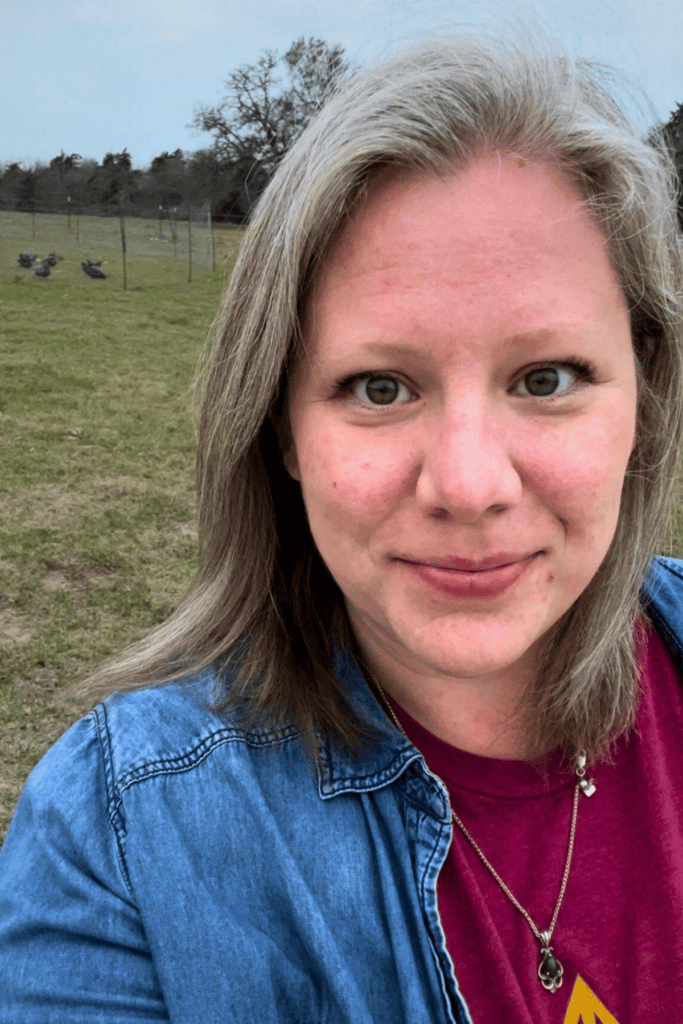
Find more Victoria at A Modern Homestead and watch the trailer for her School of Traditional Skills Class: Bulk Pantry, here. Find her Einkorn App here.

About Saturday Stories
Saturday Stories is a weekly series from the School of Traditional Skills, dedicated to the people in our community who are quietly building a more beautiful, intentional world.
Every Saturday, we highlight a different journey – from urban homesteaders and traditional craftsmen to neighborhood mentors – to show that a life of purpose and self-sufficiency isn't reserved for those with a hundred acres. It’s possible right where you are.