As Shawn says in their in-depth class on Keeping the Family Dairy Cow,
“The homestead grass-fed family milk cow is the most important step you can take towards food resilience on your homestead. […] The family dairy cow really is nature’s horn of plenty, turning whatever your pastures will grow into proteins, fats, and sugars to feed your family year after year.”
Maybe you’ve been giving some serious thought to a family cow, but ultimately pushed the notion aside as too big, too risky, or too expensive. You’re a sensible person (we know this because you’re reading this blog, after all), but what if the fears and assumptions you’ve held until now are not all they seem? What if a dairy cow could work for your family?
That’s the idea we’ll explore in this article and the entire five-part series, with Shawn and Beth Dougherty to guide us through the decision-making process. They address those fears head-on, drawing from the wisdom and insights gleaned over 25 years of managing family milk cows, so you can understand why so many families are finding it truly worthwhile to add a dairy cow to their homestead.
This is the first article in a five-part series on keeping a family milk cow, based on the School of Traditional Skills (STS) class Keeping The Family Dairy Cow with instructors Shawn and Beth Dougherty. The Dougherty family’s life changed for the better when they brought their first dairy cow onto their homestead. Now they’re on a mission to teach others about the joys and blessings of a homestead centered around the family milk cow. To get a taste of what their class (and STS membership!) has to offer, read the rest of the series: Article 2 on choosing the right breed for a small parcel, Article 3 on the costs of a family milk cow, Article 4 on milking for beginners, and Article 5 on the lifecycle and care of a dairy cow.
What a Family Milk Cow Really Gives Your Homestead
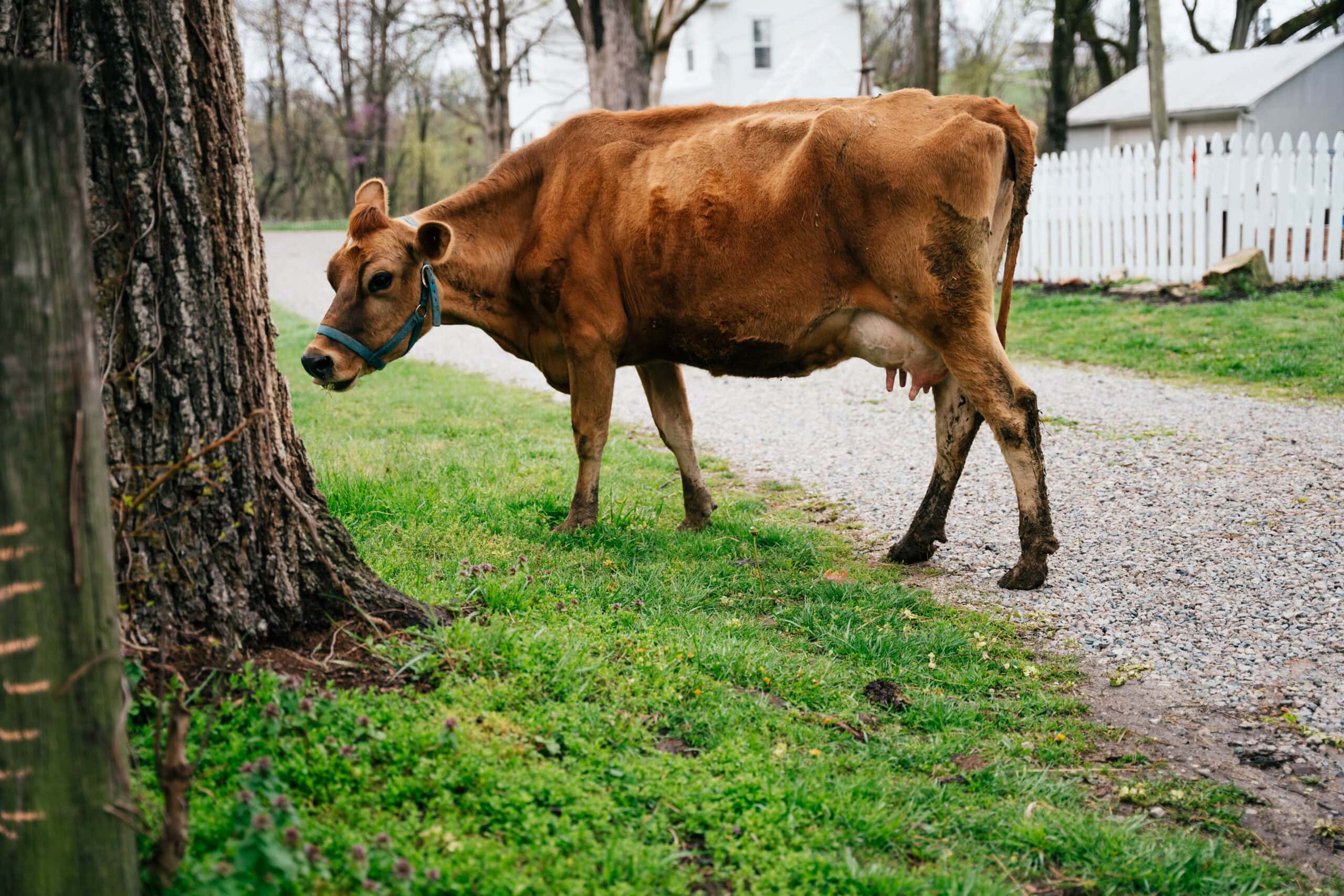
The humble dairy cow is a ruminant, a grass and forage-eating animal with a complex stomach, making it one of humanity’s “most valuable domestic livestock,” according to the Doughertys. It may seem like a big statement, but cows (like all ruminants) have a remarkable superpower: They can convert plants nutritionally inaccessible to us into one of the most delicious and nutritious foods available.
And their contribution goes way beyond a glass of milk. A family milk cow turns free, local grass into cheese, yogurt, sour cream, ice cream, and butter for the table. As Beth so delightfully puts it, all our favorite dairy products are “yesterday’s sunlight transformed into today’s food.”
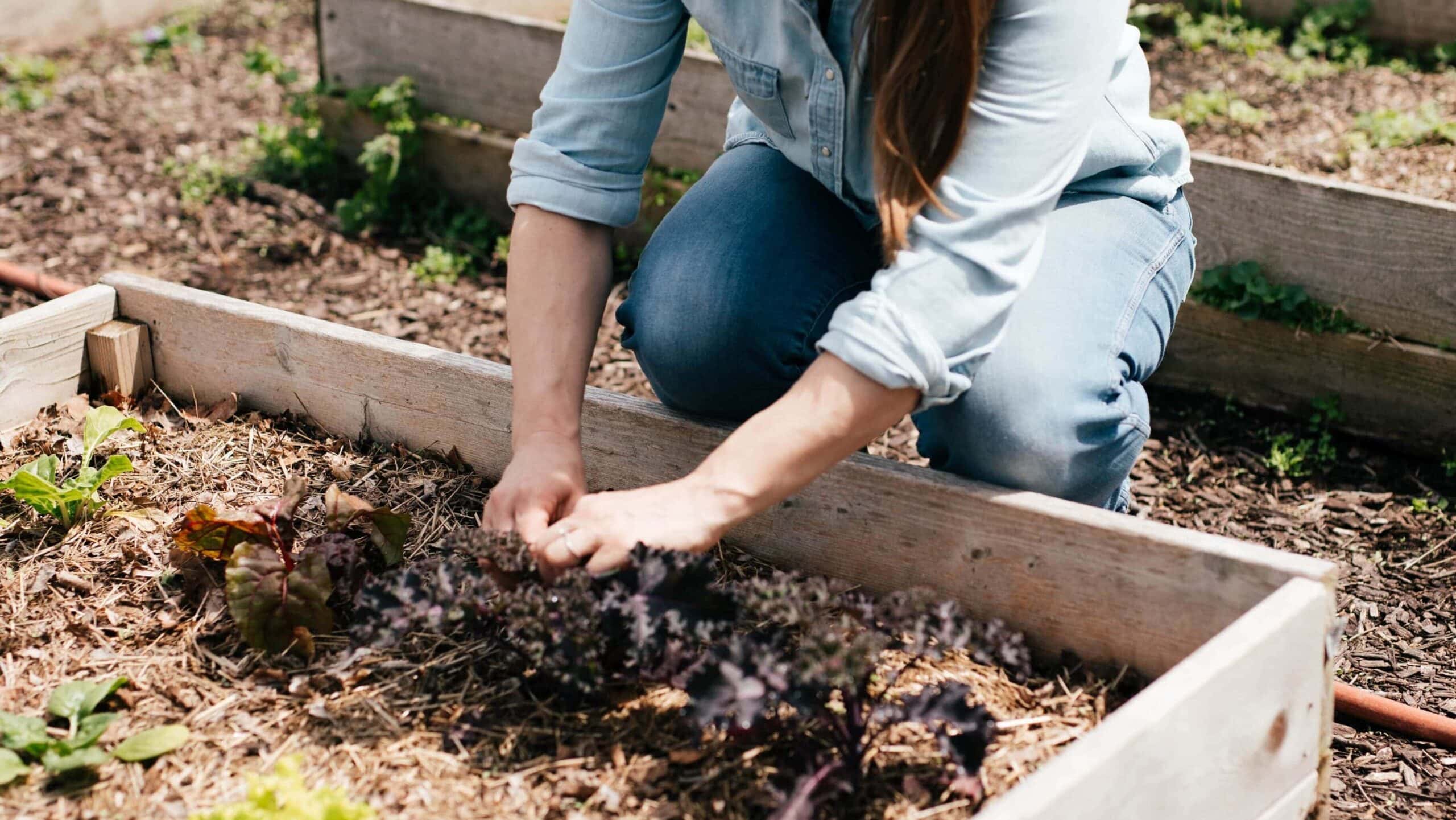
In addition to feeding us, a cow’s abundant surplus milk feeds calves, pigs, chickens, dogs, and cats, cutting feed store bills and trips for the whole homestead. And don’t forget about the garden, whose plants flourish under steady applications of composted manure, not to mention diluted raw milk and its by-products.
A properly managed, exclusively grass-fed family cow delivers all this with a minimum of money, time, stress, and work compared to what most beginners expect. But before we address those fears and mistaken expectations, let’s get to know the dynamic duo that has encouraged thousands of families in their own family milk cow adventures.
Meet Shawn and Beth Dougherty of The Sow's Ear Farm
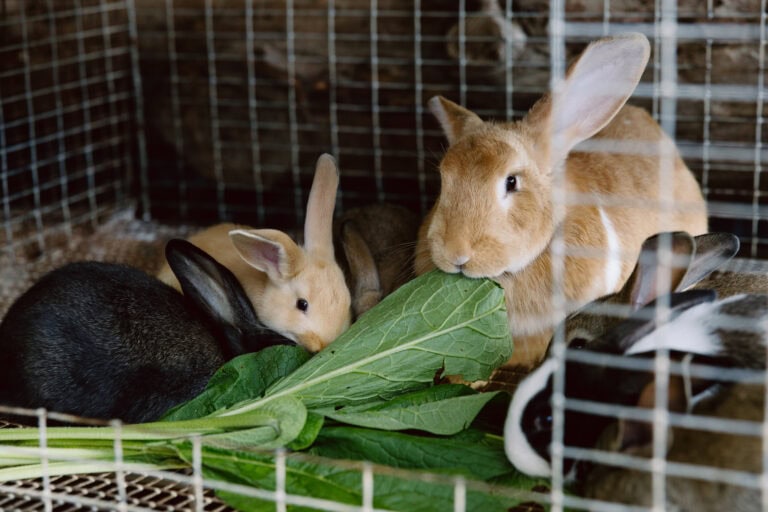
Shawn and Beth Dougherty’s homesteading journey took off after they bought a few acres of marginal, damaged land in Eastern Ohio that the state itself had labeled “unsuitable for agriculture.” With little experience and almost no money, they enthusiastically began homesteading at “The Sow’s Ear” by adding the typical cast of characters: chickens, rabbits, ducks, and goats.
But it wasn’t until several years later, with the addition of their first grass-fed family dairy cow in 2001, that their homestead hit a major inflection point in food production. Thanks to Isabel, that first cow, the Doughertys and their eight children went from providing some of their food, to providing most of the food and feed on the farm. Today they grow an astounding 95% of what their family of ten plus their animals eat, and they continue to credit the dairy cow for that achievement.
Eager to share what they’ve learned with tens of thousands of families across the country, they wrote The Independent Farmstead in 2016. Now they teach how to make the family cow the center of a resilient, sustainable homestead through their class on Keeping The Family Dairy Cow at the School of Traditional Skills.
Keeping the Family Dairy Cow
Join Shawn Dougherty from the One Cow Revolution as he teaches you how doable it is to own a family milk cow and have a full, modern life while enjoying the incredible benefits she provides for your entire homestead!
This series is built from that class, and in sharing Shawn and Beth’s own direct experience pairing dairy cows with holistic and regenerative farming practices, we will address the top three fears that would-be cow owners typically voice.
Fear #1: “This Will Take Over My Life”
If you’ve been dreaming of a homestead with a dairy cow but have held off, chances are you're doubting how this addition could fit into your already busy schedule. Most people expect a cow will be too much work and assume dairying means a rigid, twice-daily milking schedule with no vacations or days off, but this isn’t the case.
A family cow is actually the easiest large animal to manage on the farm. Sheep and goats may be smaller and seem less intimidating at first, but a cow is easier in several specific ways: she stays inside a single strand of poly twine, calves almost always come singly with no birthing help needed, and for most of the year she can be milked just once a day (or “OAD” milking, as it’s called).
Maybe the best news is that short getaways and even longer vacations are both realistic. The Doughertys have a few suggestions on this point: You can try calf sharing (keeping the calf with mama) or partner with a committed neighbor or friend who is willing to share the milking duties in exchange for a portion of the bounty. Another option is to plan your vacations for when you expect to dry off your cow, or simply stagger your vacations with that committed neighbor.
Fear #2: “Raw Milk Isn't Safe”
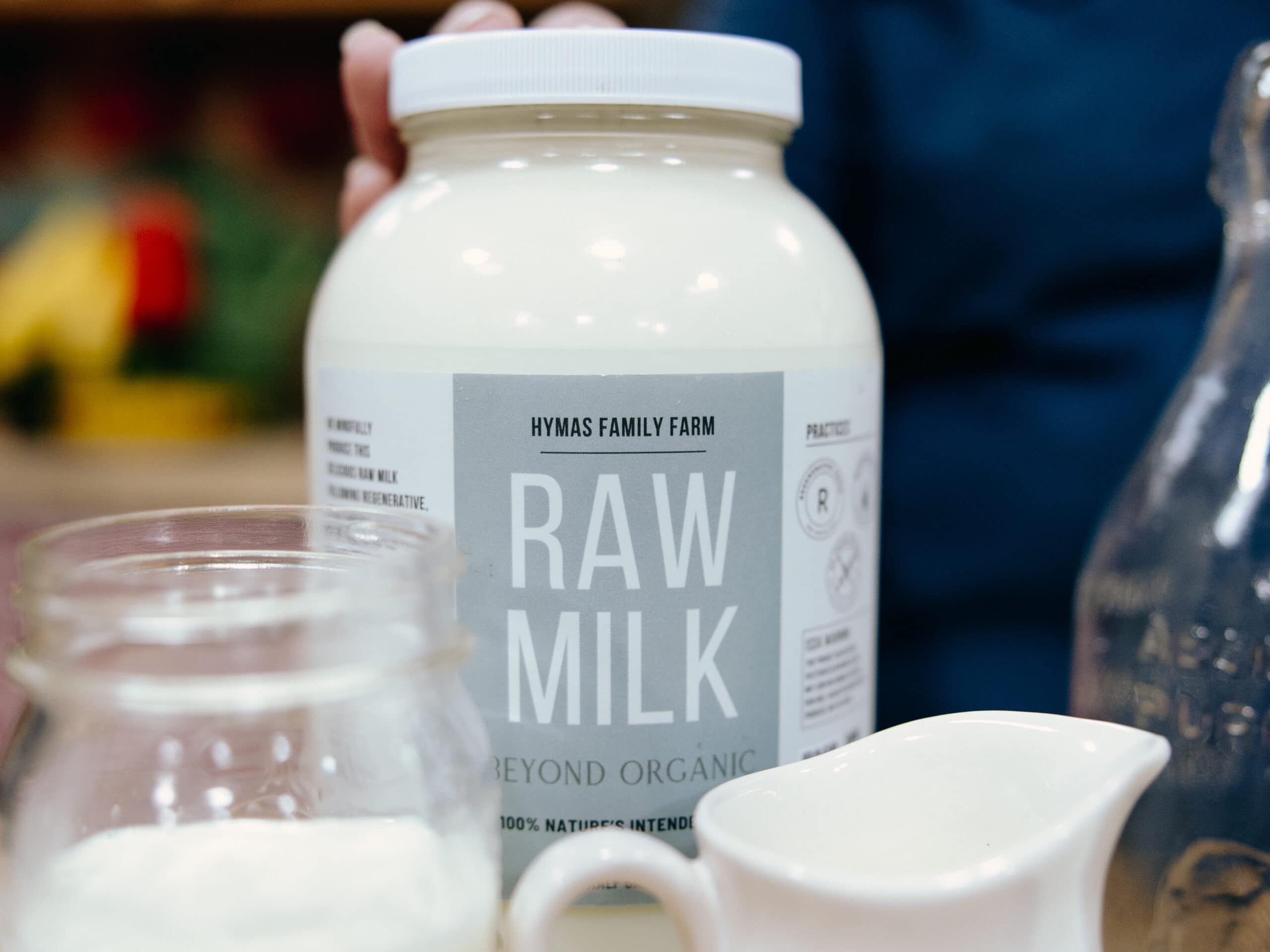
We’ve been propagandized over several decades, especially in the U.S., into thinking that raw milk is dangerous. These fears stem largely from the U.S. Department of Agriculture’s (USDA) raw milk warnings about studies that have been taken out of context.
Unfortunately, those USDA studies are based on testing from commercial dairies’ industrial bulk tanks and mechanical collection systems, not from a single family cow milked by hand. These complex milking machines from the industrial system are prone to growing bacteria, since they can’t be fully disassembled and scrubbed between milkings. And did we mention that these cows are primarily or exclusively grain-fed, standing around in confinement (often in their own feces) or in very large groups, spreading disease to one another because of the filthy environment in which they live?
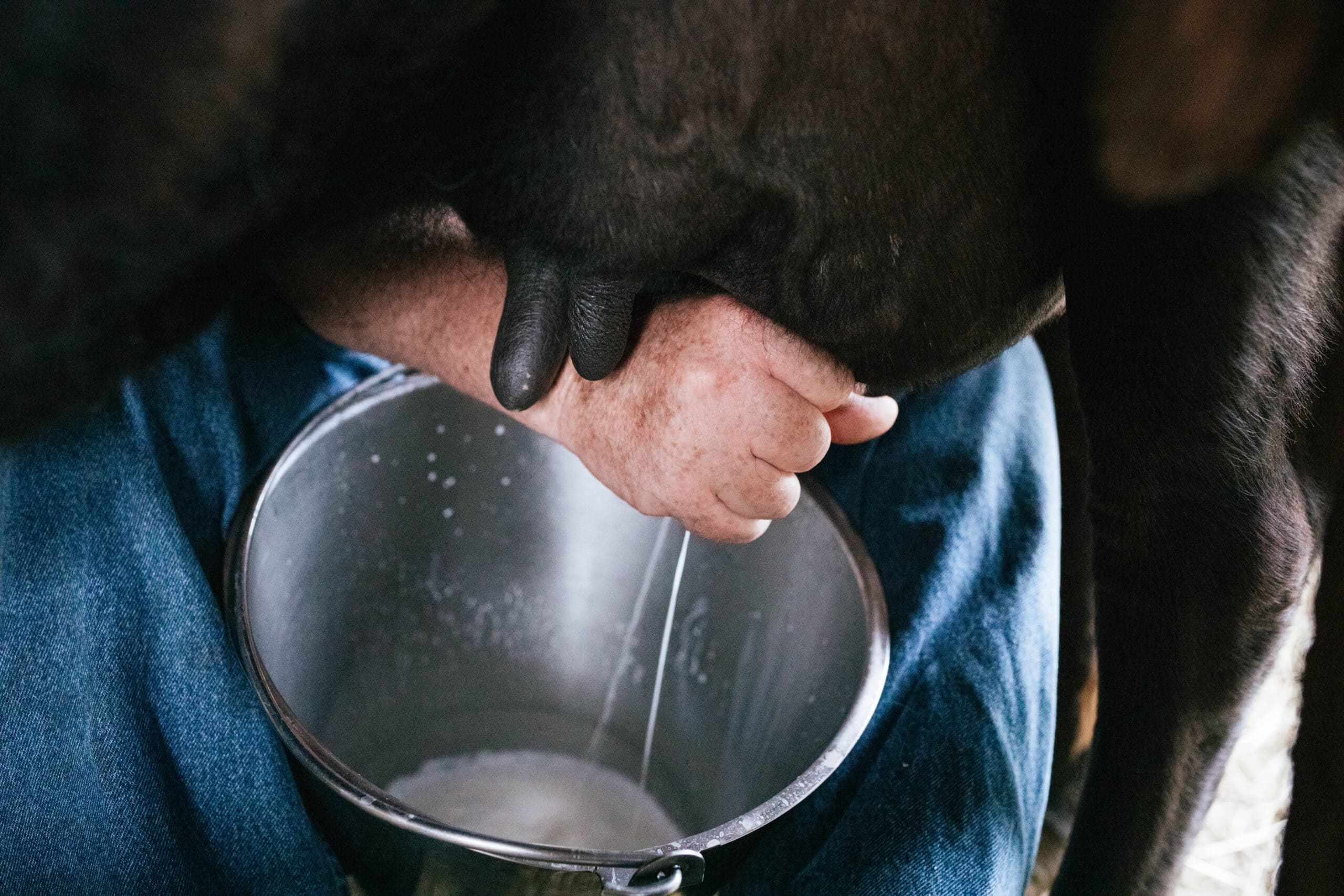
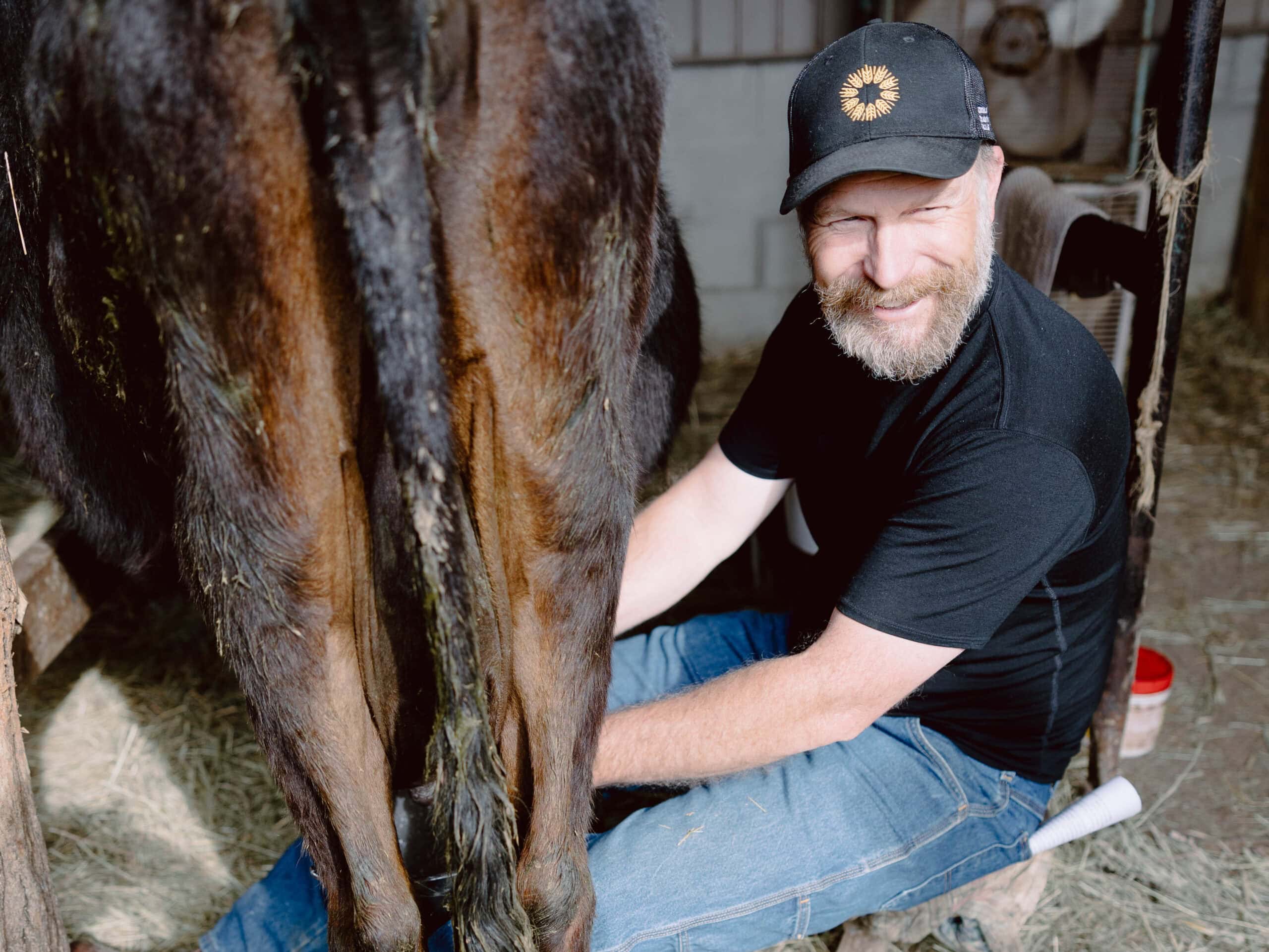
This is a far cry from what’s happening on your grass-based family homestead. Instead, you’ll take your clean cow eating what she’s naturally intended to eat, wash her udder, and then milk her using clean hands into a clean stainless bucket. No harmful bacteria to worry about. In fact, milk is a probiotic-rich food. A cow’s own teats carry beneficial Lactobacillus, the same probiotics found in yogurt and kefir, which protect her milk from the moment it leaves her body.
In their characteristically straightforward and clear-thinking way, the Doughertys address the raw milk safety issue in full in their family milk cow class. So if this is a major concern for you, it’s worth checking that out. The fourth article in this series on milking basics for beginners will cover hand milking and clean handling in detail, too.
Fear #3: “She's Too Big and I'm Scared of Her”
This is the final hurdle for many folks: fear of large animals. The Doughertys hear some variation of “I'm scared” or “It's a really big animal” all the time.
Yes, it’s true that cows are large animals. And all large animals should be treated with respect and handled by people who are aware of the power and strength they possess.
But dairy cows are not like beef cows. They have been bred for generations to trust humans, not to be defensive around us. A dairy cow wants to be milked and wants to be near people, making her a fundamentally different animal from the beef cow raised at a distance from humans.
By picking a cow who has proven her gentleness and who you feel safe around (and, more importantly, who you feel safe having your kids around), you’ve dealt with this issue before the cow ever sets foot on your land. Our next article on choosing the right dairy cow will cover selecting for temperament and other helpful characteristics in full.
Commonly Asked Questions About Getting Your First Family Milk Cow
For most homesteads with even a few acres of grass, the answer is a resounding yes. A single cow supplies milk, butter, cheese, sour cream, and more for your family while also feeding pigs, chickens, and pets with her surplus. Consider that Shawn and Beth Dougherty describe the dairy cow as the center of their whole regenerative farm system, not just a milk source.
A grass-fed family cow is not the commercial cow that has been raised on grain. Your homestead cow will give you somewhere between one and six gallons, but often closer to the two to five gallons range. Any milk you cannot use to feed your family goes straight to fattening a pig or feeding chickens, dogs, and cats, so surplus milk becomes surplus food rather than waste. And think, too, that you have neighbors and friends that may be happy to receive, barter for, or buy some milk from you each week, depending on your local dairy laws.
As a beginner, expect to spend roughly half an hour per milking, but with practice this number will eventually drop to ten or fifteen minutes of actual milking. Then there’s the time spent moving her, straining the milk, and washing buckets, but it’s not much. Most of that time overlaps with chores you are already doing on the farm, so it rarely feels like a separate task, and it’s all relatively quick in any case.
Yes! Keeping the calf on the cow, sharing milking duties with a neighbor, and drying the cow off ahead of a planned vacation are all realistic ways to take some time off for days or even weeks. The last article in this series covers breeding, calving, and life with a family cow, including the specific strategies Shawn and Beth use to take a break from milking.
Nope. A single cow does perfectly well on her own because she has you to keep her company. In fact, historically the single family cow has always been the most common situation. And if you’re worried about having enough milk, the fact is that one well-chosen and well-managed cow can supply enough milk, butter, and cheese to meet most families’ needs.
One More Thing
By now you’ve seen that these concerns, while valid, should not have the final say on whether or not your family makes the leap to keeping a dairy cow. And if some of those fears are still lingering in the back of your mind, that’s OK. You don’t need to have every single one resolved just yet.
In fact, Shawn and Beth were probably as intimidated as you feel right now when they were first starting out with a dairy cow. But it must have been their day-in, day-out experience of managing their cow that ultimately helped them shed any negative feelings around her. In the same way, you will also grow in confidence as a cow handler and see firsthand the many tangible benefits that a milk cow brings to your homestead. Once you start thinking like Shawn and Beth, you might realize you can’t afford not to have a dairy cow.
As we continue to explore this idea of keeping a family cow alongside the Doughertys, the next step is figuring out which cow would be right for your acreage and your family. This is exactly what the second article in this series walks through, with a special emphasis on beginners working with small acreage. And yes, that means we’ll be talking about breeds!
If you want the complete picture now, Shawn and Beth's Keeping The Family Dairy Cow class covers all fifteen lessons behind this series in full and is available for immediate purchase and viewing from the School of Traditional Skills. Enjoy learning about what it takes to keep a dairy cow from the comfort of your own home, with easy-to-follow, step-by-step lessons that you can watch on your own schedule and at your own convenience. And to see more about what the Doughertys are up to currently, check out their blog, The One-Cow Revolution.
Keeping the Family Dairy Cow
Join Shawn Dougherty from the One Cow Revolution as he teaches you how doable it is to own a family milk cow and have a full, modern life while enjoying the incredible benefits she provides for your entire homestead!