But what if there was a simpler, easier way? One that took its cues from nature and didn’t rely on frequent watering, weeding, tilling, or synthetic fertilizers?
That’s exactly what Back to Eden gardening offers–a powerful, common-sense method for building healthier soil, conserving water, and growing an abundance of food.
Whether you're planting your first vegetable patch or looking for a better way to tend your garden, this approach is a game-changer. Let’s dig into what makes Back to Eden gardening so effective.
What Is Back to Eden Gardening?
Back to Eden gardening is more philosophy than technique.
At its heart, this method is a return to the way nature has always grown things. Specifically, it imitates the way forests naturally grow and thrive. When you walk through the woods, what do you notice? The soil is covered with leaves, needles, broken branches, and other organic matter. That covering feeds the soil, traps in moisture, and builds fertility year after year. No one tills the forest, yet the plant life seems to flourish.
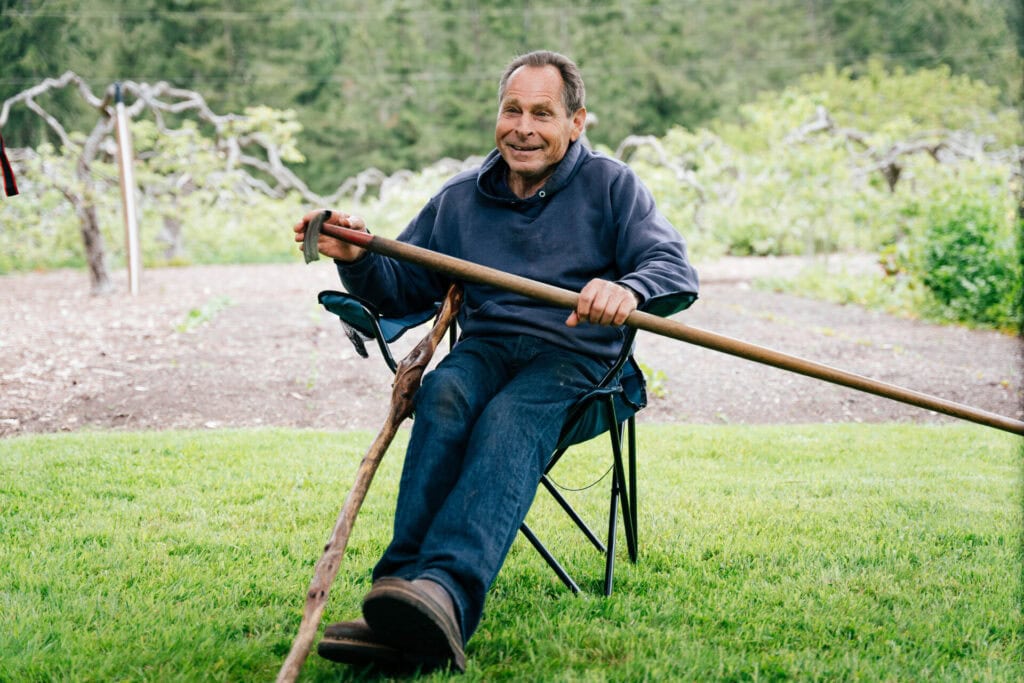
These were the key observations that inspired the Back to Eden gardening method, developed by longtime gardener and Master Arborist Paul Gautschi. After years of frustration with conventional gardening, Paul turned to the patterns in nature—and to a higher power—for answers. What he discovered completely changed his approach to gardening.
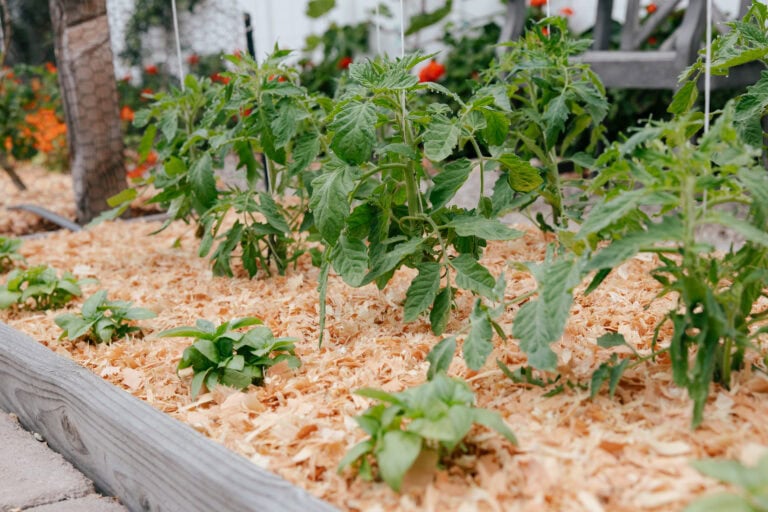
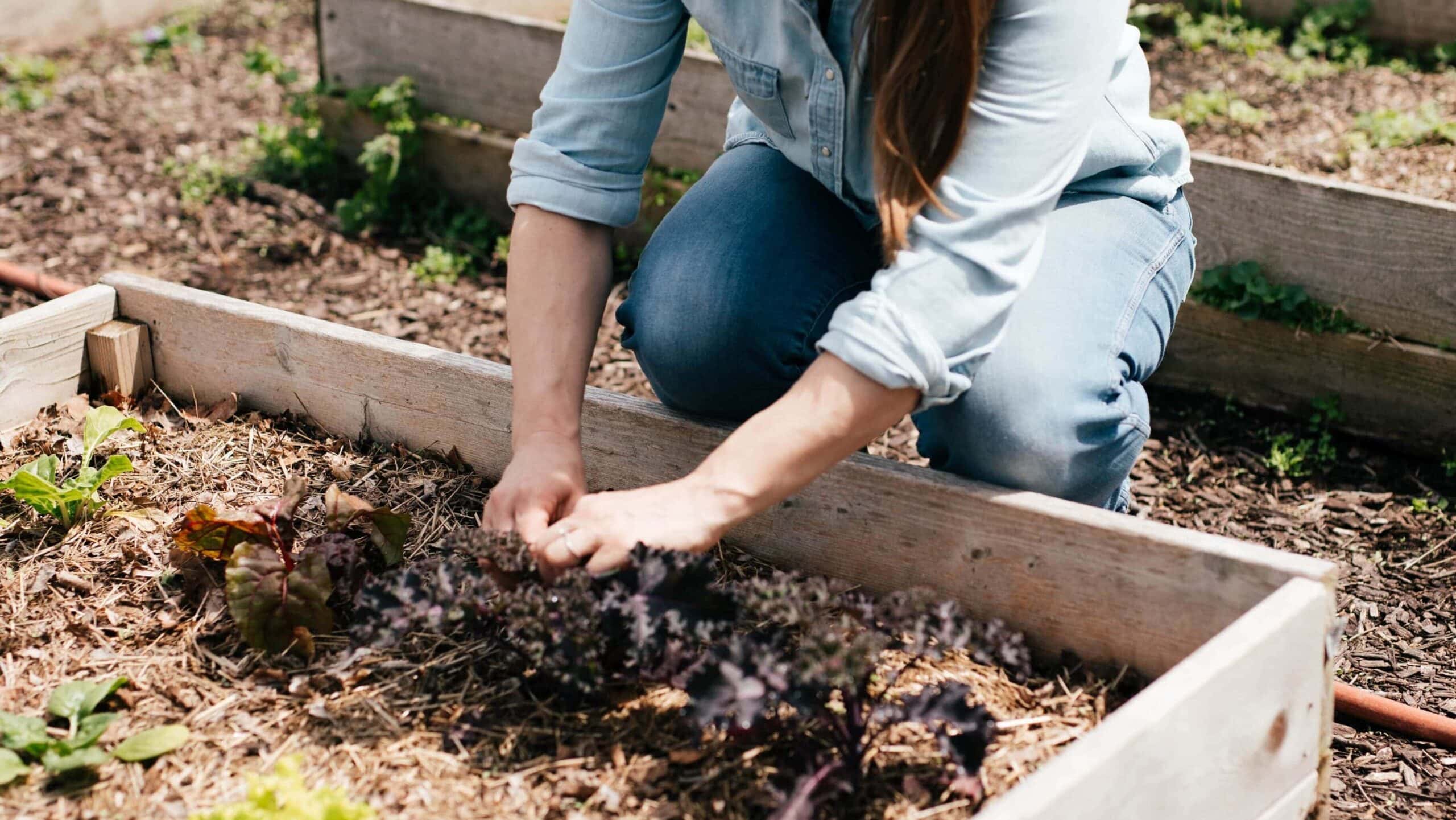
Instead of fighting with his soil, Paul began mulching it. He layered wood chips, compost, and organic matter over his garden beds. His results? Healthy, living soil that supported lush plants, consistently held moisture, and kept invasive plants and insects at bay.
According to Paul, this is the opposite of a trend, or a trick. Instead, it’s a return to the Creator’s original design—a method grounded in faith, observation, and the intuition that the simplest answers are often the best ones.
Why the Back to Eden Gardening Method Works
To grow nutrient-dense, organic food, leave the fancy gadgets and complicated plans behind. What you need is a method—and a mindset—that honors the way nature already works.
Healthy Soil, Nature’s Way
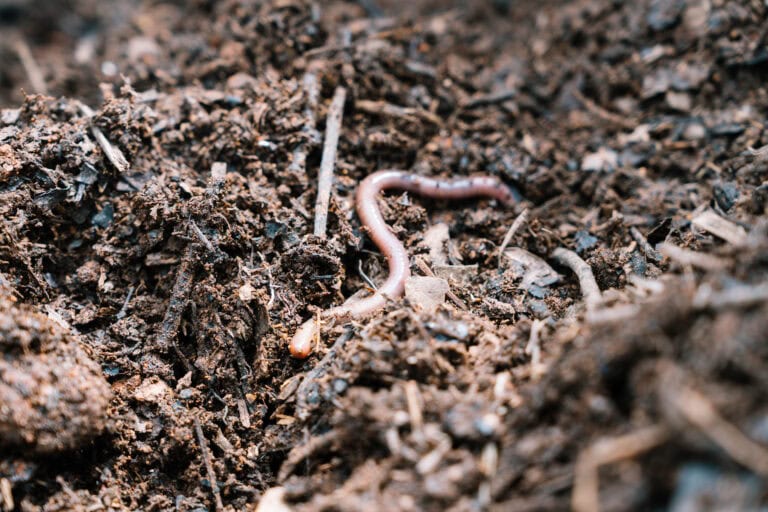
Nature doesn’t till the ground, and for good reason. When we till, we disturb the delicate balance of soil life, killing beneficial microbes and drying out the earth. But when we cover the soil just as the forest does, we protect and feed it.
Mulching with wood chips and organic matter preserves moisture, prevents erosion, and feeds soil organisms that build fertility over time. It’s a way of tapping into the natural cycle of restoration and renewal that’s built right into the land.
Reduces Watering Needs
One of the biggest surprises for new Back to Eden gardeners is how little they need to water. The mulch acts like a sponge, soaking up rain and holding it in the soil. In cooler climates or during rainy seasons, you may not need to water much at all.
Even in dry areas, you can dramatically reduce your watering schedule. That means lower water bills, fewer hoses to drag around, and more time enjoying your garden.
Stops Plant Invaders in Their Tracks
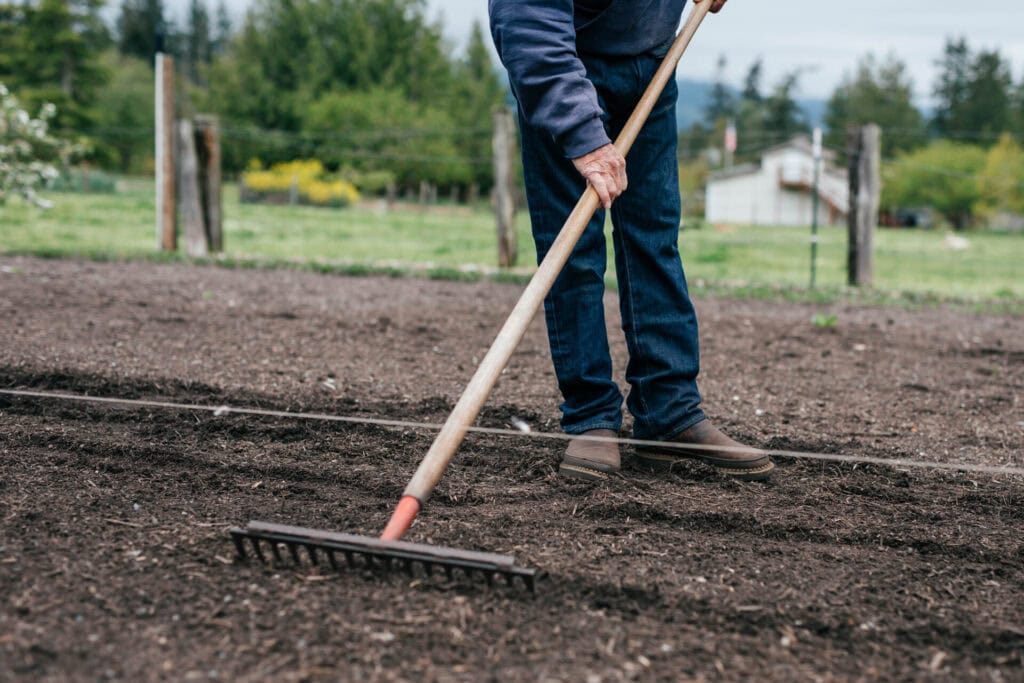
If you’ve ever spent hours pulling unwanted plants from the garden only to see them come back stronger, this will feel like a miracle. The Back to Eden method prevents unwelcome plants from taking over by smothering their seeds before they ever sprout.
With a thick layer of mulch, sunlight can’t reach the soil surface, and the seeds can’t germinate. And if a few brave sprouts poke through? They’re easy to pull from the soft, rich soil beneath the chips.
Builds Rich Soil Year After Year
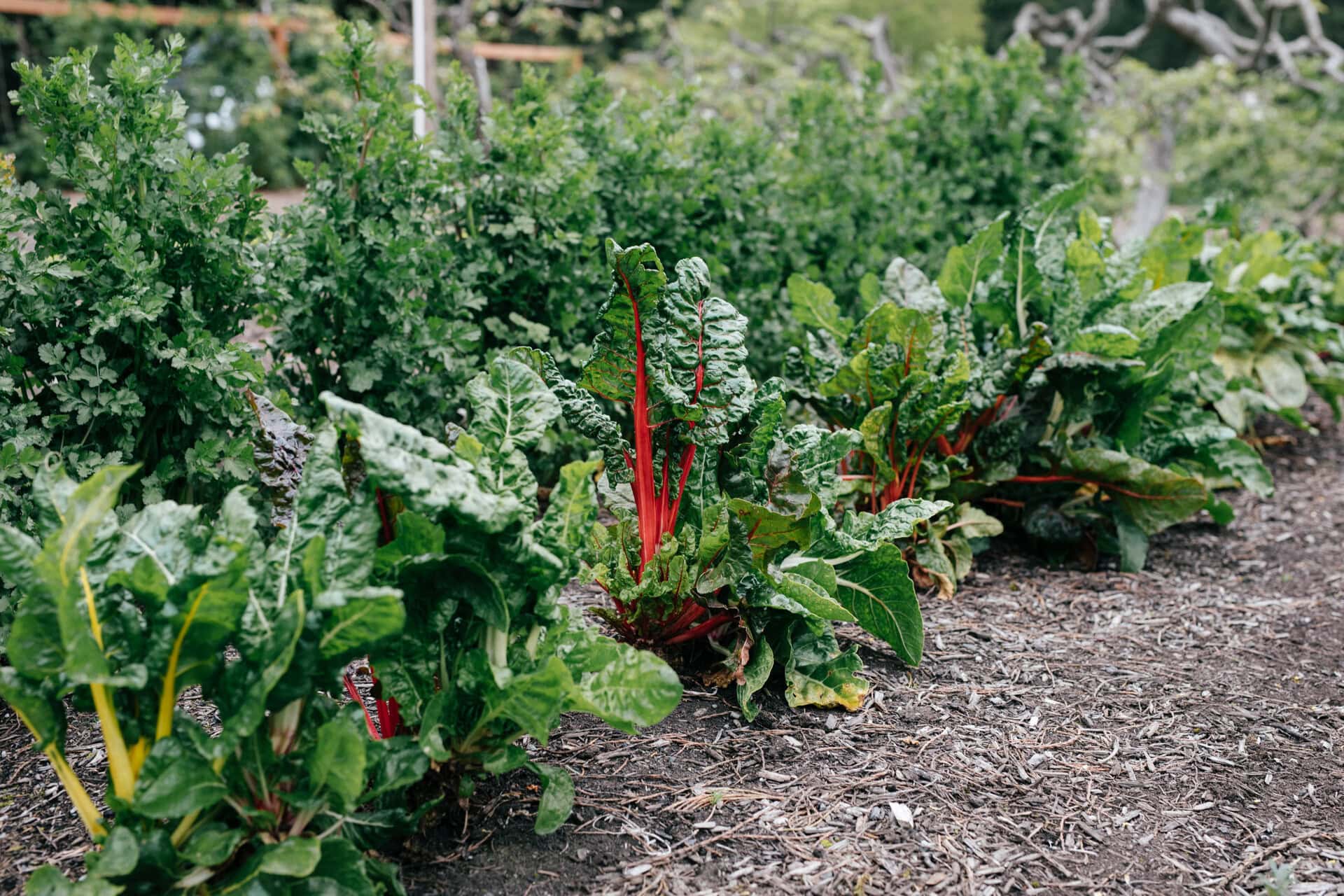
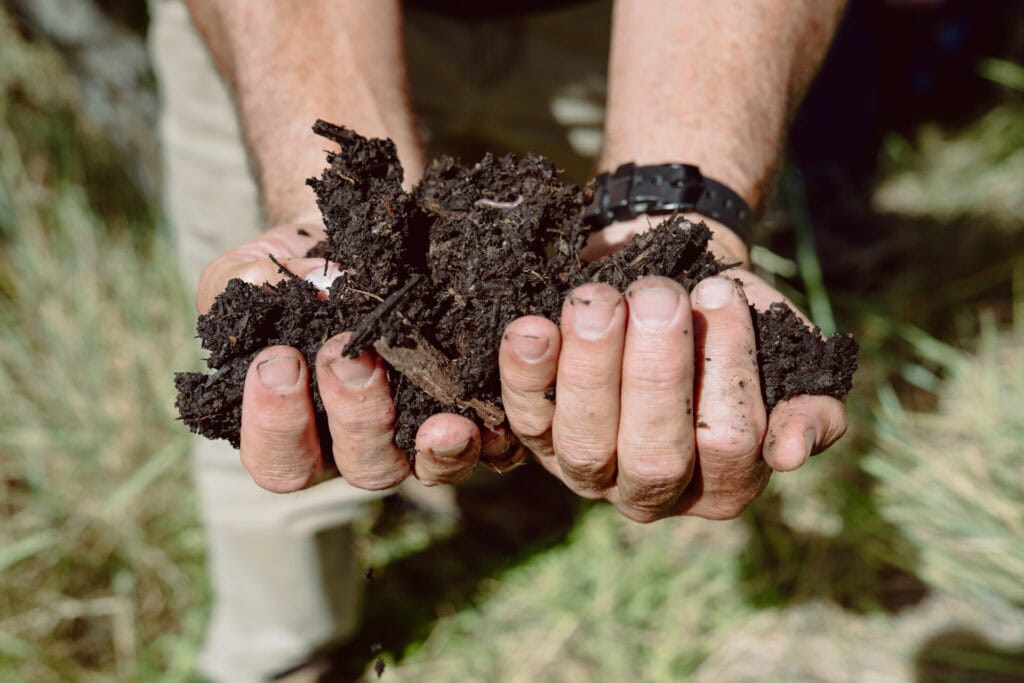
Mulch slowly transforms into topsoil. How? As it breaks down, it adds organic matter to the soil, increasing fertility and improving structure. This healthy soil you’re building means reduced insect pressure. Ultimately, you’ll need fewer inputs because your soil will do the heavy lifting.
Less Work, More Harvest
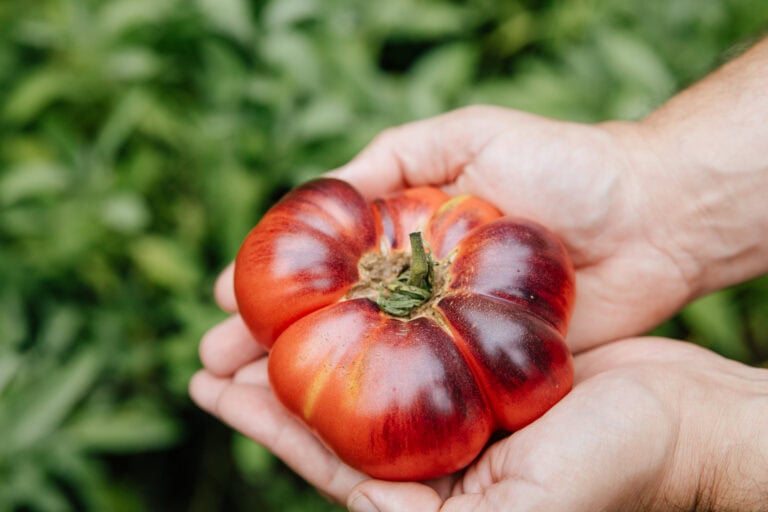
Once your garden is established, it practically takes care of itself. You’ll spend less time watering, weeding, and fertilizing—and more time harvesting healthy, homegrown food.
That’s the kind of garden that doesn’t just feed your body, but it feeds your soul, too.
Common Questions and Encouragement
Even though the Back to Eden gardening method is simple, it’s normal to have questions—especially if you’re just starting out. Fortunately, this method is flexible, forgiving, and designed to work with practically whatever woody material you have access to.
Let’s clear up a few common concerns.
Can I do this in a raised bed or container?
Absolutely. While Back to Eden gardening is often done directly in the ground, raised beds and containers can also benefit. Just follow the same layering principles: cover the soil with compost, then add mulch on top. You’ll reduce watering and help your soil stay active and alive.
What if I have clay or sandy soil?
This method shines in “problem” soils. The mulch softens clay over time and holds moisture in sandy soil. Each year, the layers improve your soil naturally—no need to dig or amend with store-bought mixes. (To better understand the benefits of this method on all soil types, check out our blog post, Why Paul Gautschi's Back to Eden Method Works In Every Climate.)
Will it really make a difference?
Yes, and not just in your harvest. You’ll notice that you’re weeding and watering less, all the while the soil becomes darker, richer, and more alive each season. Many gardeners who switch to Back to Eden never look back.
What if I don’t have access to wood chips?
While screened wood chips are ideal, you should start with what you have. Leaves, grass clippings, aged compost, or straw (watch for seeds!) can all work. The key is to cover the soil with some good organic matter and let nature do the rest.
How long does it take to see results?
You’ll notice a difference the first season, especially with moisture retention and weed control. But the real transformation happens over time as your soil builds year after year. Trust the process—nature isn’t in a hurry, but she’s always working.
Ready to Dive In?
The School of Traditional Skills offers a Back To Eden Gardening class taught by Paul Gautschi. Think of this as a front row seat to the teacher who pioneered the movement!
If you’re just starting out—or even if you’ve been gardening for years and are feeling a little burnt out—know this: you don’t have to hustle harder to grow more food. Nature already has a blueprint.
So lay down that mulch and plant those seeds. Let the garden show you just how fruitful it can be when you get “back to Eden.”
Back to Eden Gardening
Join Paul Gautschi as he shows you how to simplify your gardening by working with God’s principles as observed in nature.