The answer is yes, but the cost depends on what kind of system you're building. Egg-laying chickens and meat chickens both support a more self-reliant household, but they do not cost the same or return food in the same way. Understanding the cost of each upfront is what makes the difference between a flock that fits your homestead and one that strains it.
Start With Your Purpose
Egg-laying chickens are a longer-term investment. They need daily care, steady housing, and ongoing feed before and after they begin laying. There is also a waiting period before regular eggs arrive, so the first few months are all input with no steady return yet.
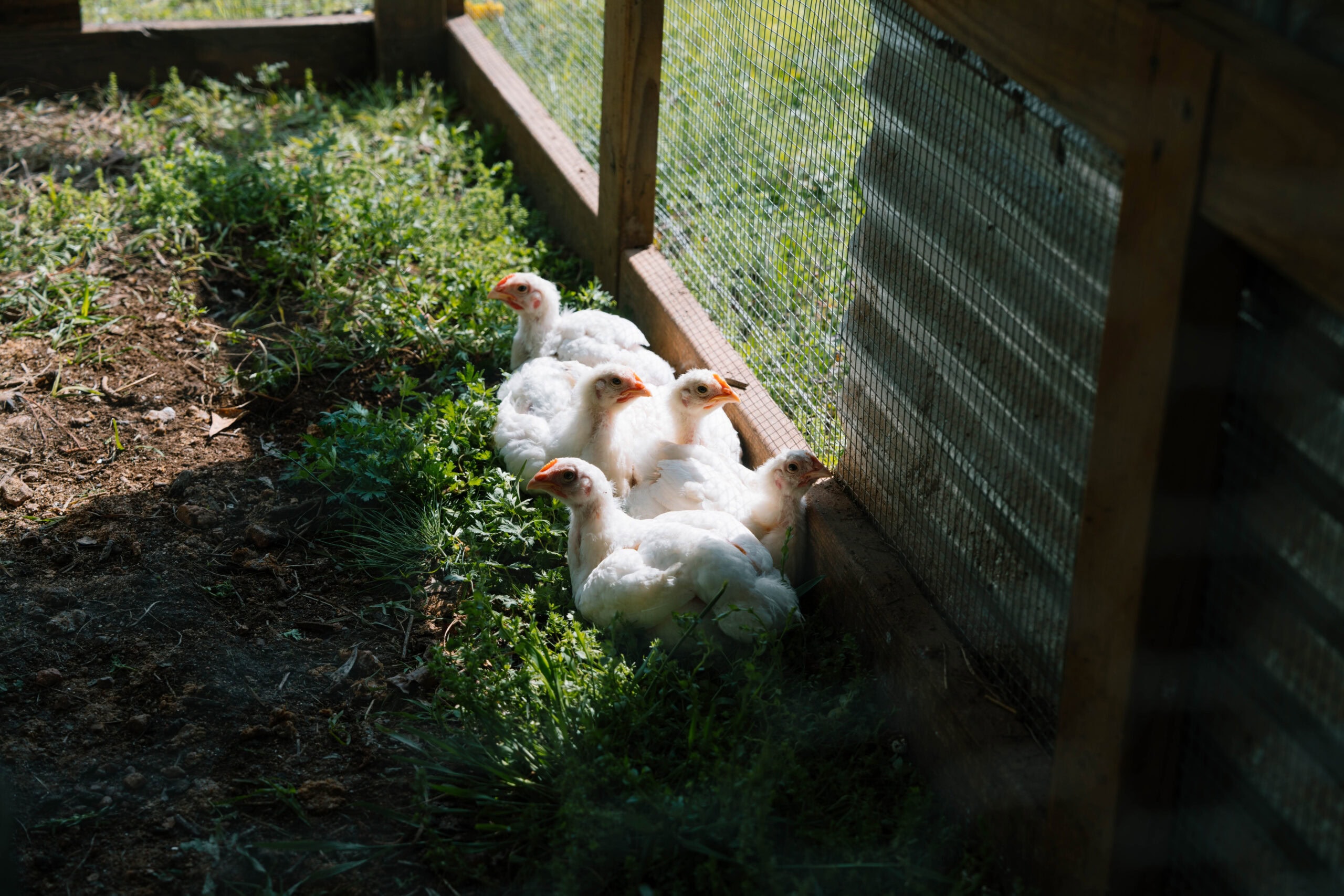
Meat chickens work differently. They are raised in batches with a clearer start and finish. You bring chicks home, brood them, move them into a protected outdoor setup when they are ready, feed them well, and process them when they reach the right size.
A dual-purpose approach may work for some homesteads, but your budget still needs to be built around your main goal. Egg-laying and meat production happen on different timelines, and the costs show up in different ways. Trying to plan for both at once before you have done either can make things harder than they need to be.
Main Setup Costs
The first year often costs more than later years because you are buying or building the basic system for the first time.
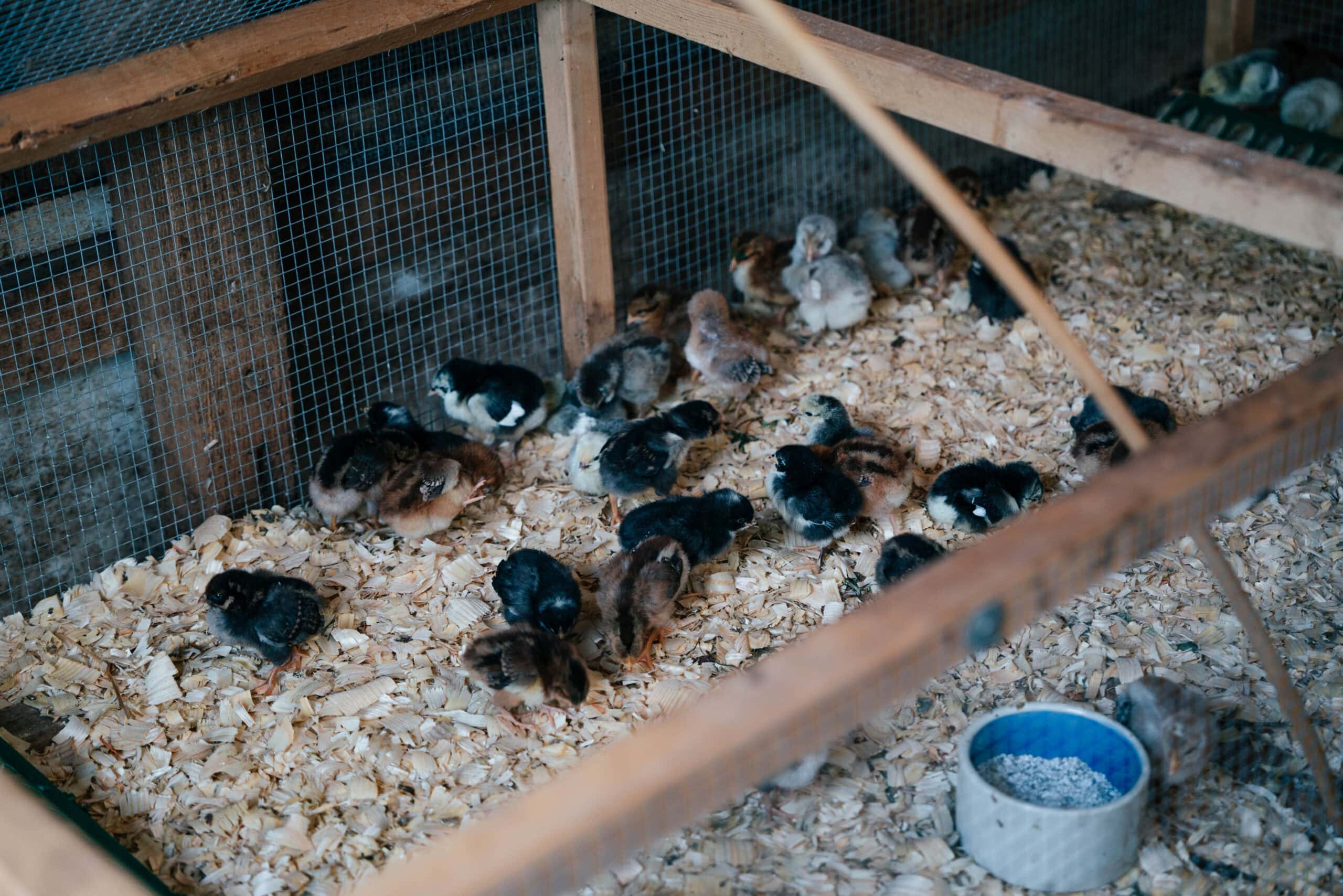
Many items can be reused across multiple flocks or batches if they are built well and maintained. A brooder, feeders, waterers, feed storage, fencing, and a coop or chicken tractor can all serve your household for a long time if you start with quality and look after them. That is worth keeping in mind when the first-year numbers feel heavy.
Common setup costs include a brooder and heat source, feeders and waterers sized for your flock, bedding, and feed storage that keeps moisture and rodents out. You will also need a coop or chicken tractor, fencing and predator protection, and nest boxes and roosts for laying hens. Meat bird setups add basic processing supplies or access to a local processor.
Ongoing Costs to Track
Once the setup is in place, recurring costs are what show whether your chicken system actually fits your household budget over time.
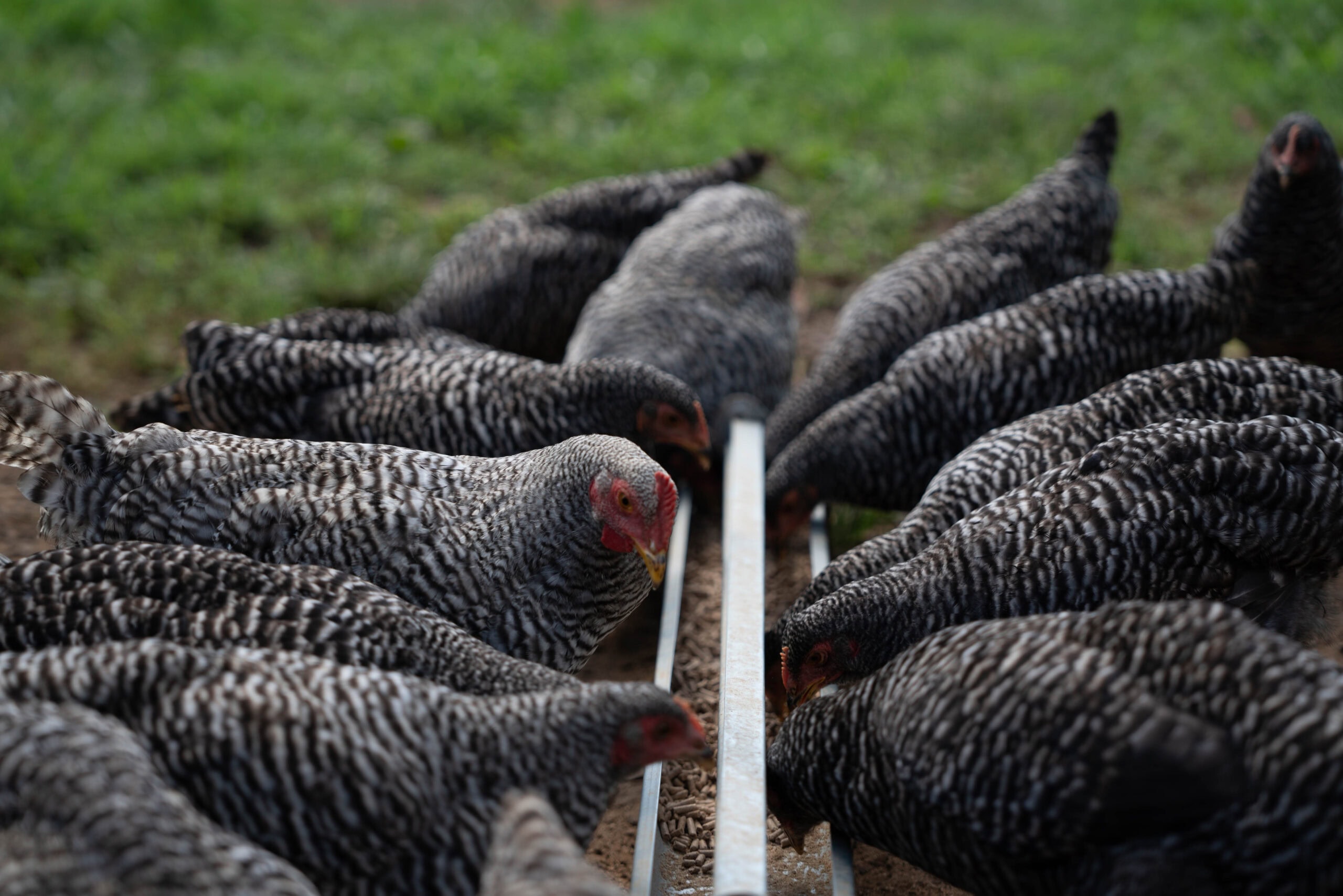
Feed is usually the largest ongoing expense. Chickens also need bedding, grit, oyster shell for laying hens, clean water, and consistent daily care. Housing, fencing, feeders, and waterers will need occasional repairs as the seasons pass.
Some households reduce feed costs in small ways through safe foraging, garden extras, and appropriate kitchen scraps. These should not replace a balanced ration, but they can support the flock and make good use of what the homestead already produces.
Egg-Laying Chicken Costs
Egg-laying chickens are best calculated across a full season or year.
Add up feed, bedding, oyster shell, grit, repairs, and any replacement supplies over twelve months. Then compare that total to the number of dozens of eggs your hens produced.
Total annual costs divided by annual dozens equals your cost per dozen eggs.
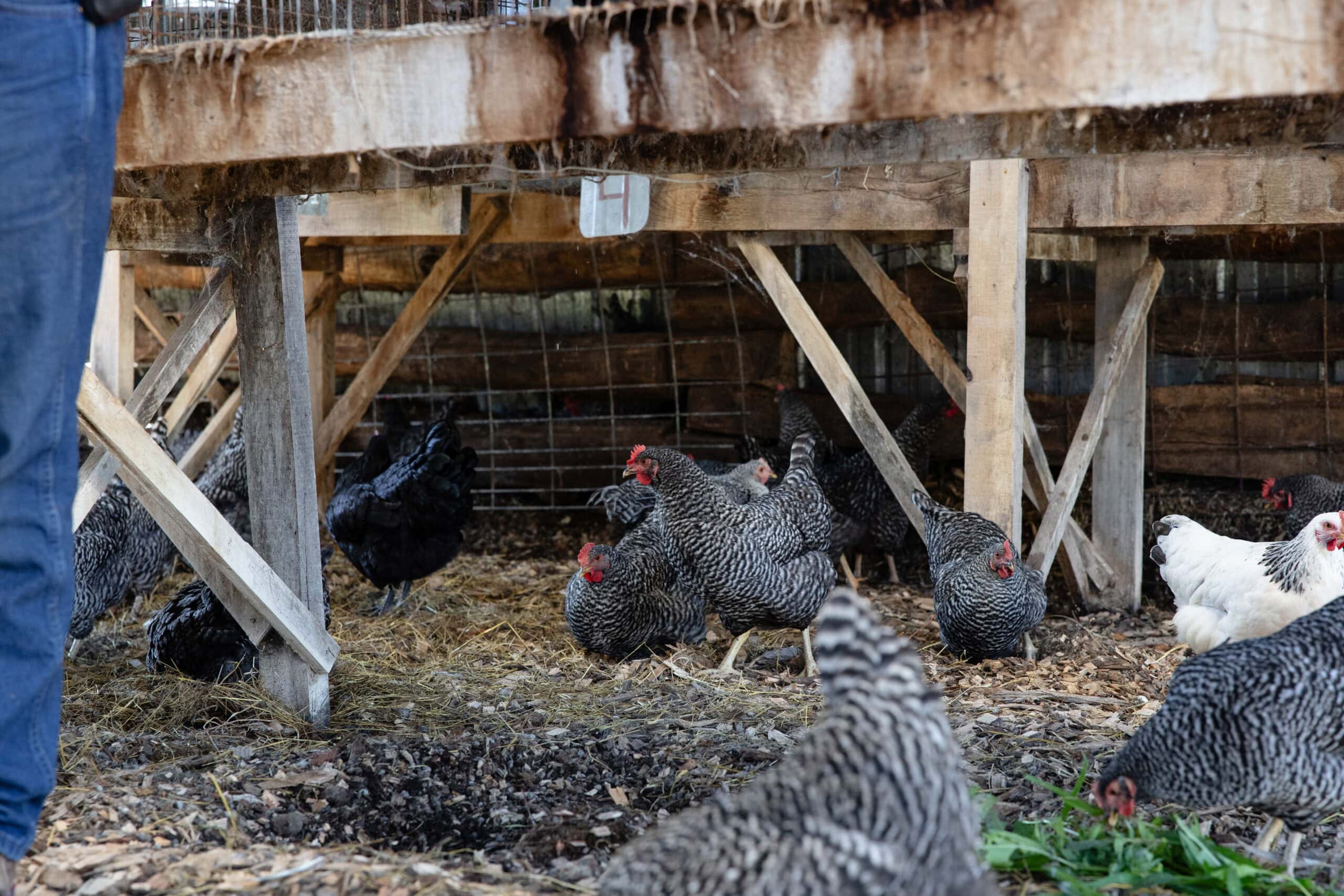
Laying hens also bring value beyond the egg carton. Their manure and bedding break down into some of the richest compost a garden can get, closing a loop that feeds your soil, reduces waste, and makes the whole homestead more self-sufficient.
Meat Chicken Costs
Meat chickens are calculated by batch, from chick arrival to freezer.
That makes the math more contained than egg-laying chickens. Instead of tracking a flock across years, you are accounting for one group of birds through one growing cycle.
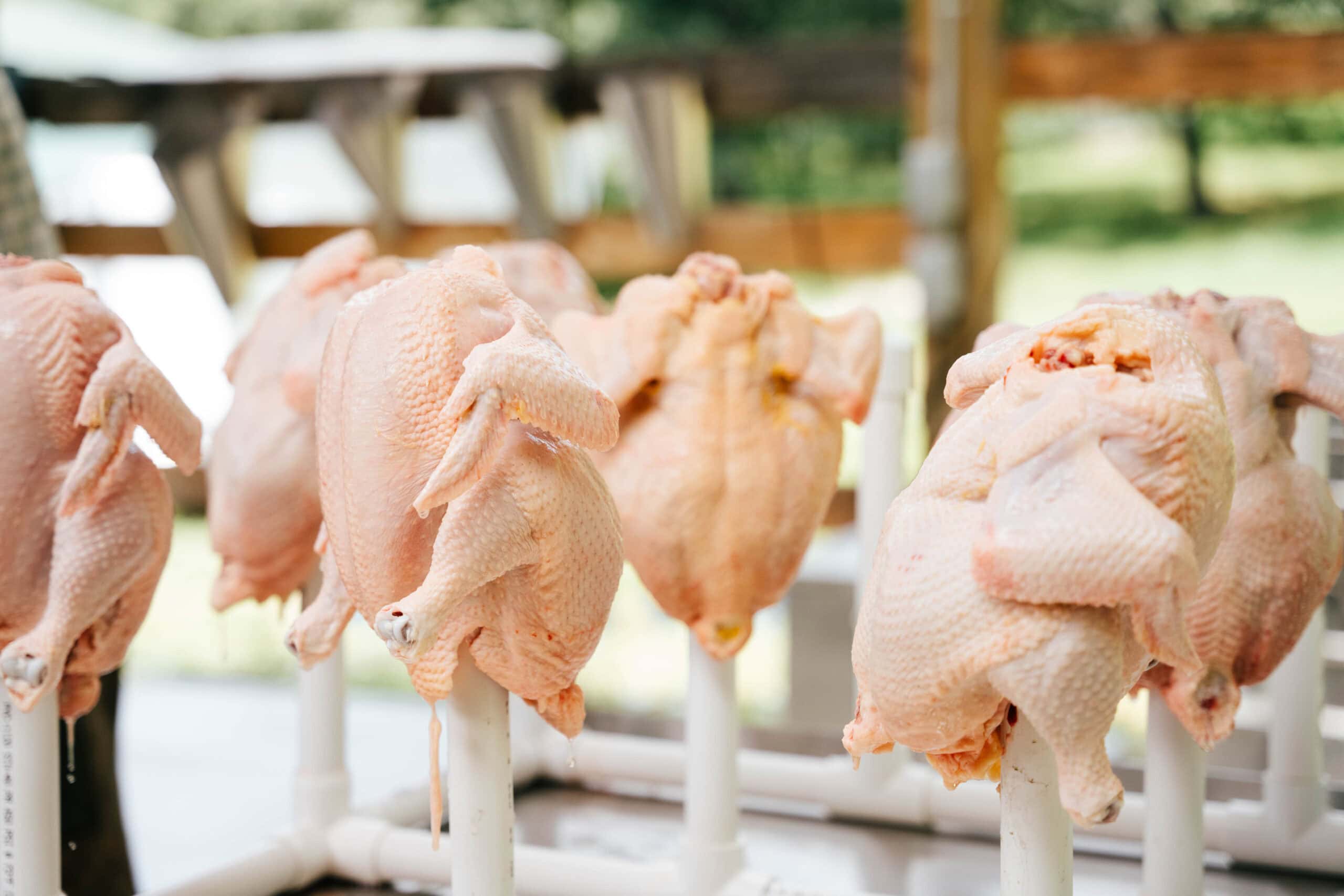
Main costs include: chicks, feed, bedding, grit, brooder supplies, pasture shelter or chicken tractor, fencing, processing, packaging, and freezer space. Feed and processing are typically the two biggest line items to plan for.
If you are processing at home, count the basic supplies needed to do the work cleanly and safely. This may include a sharp knife, processing cone, large pot for hot water, clean workspace, chilling setup, and freezer packaging. Larger equipment like a plucker or scalder can make the job easier, but beginners do not need to buy everything at once. Many families borrow equipment, share with neighbors, or start with a smaller batch while they are still learning.
If you are using a local processor, include fees, transportation, and scheduling time. Count those costs before chicks are ordered, not after the birds are ready.
Total batch costs divided by total pounds of finished meat equals your estimated cost per pound.
When tracking future batches, separate reusable equipment from per-batch costs. A chicken tractor, feeders, and waterers can carry over. Chicks, feed, bedding, processing fees, and packaging need to be counted fresh each time.
Costs Beginners Often Overlook
The most obvious costs are feed, chicks, and housing. But a few smaller things have a way of catching beginners off guard.
Poor feed storage is one of the most common ways beginners lose money without realizing it. Rodents, moisture, and the wrong feeder setup can waste a surprising amount of feed over time. In cold climates, keeping water from freezing adds both effort and equipment to the winter routine. And if you're raising meat birds, freezer space and packaging need to be figured out before processing day arrives, not the morning of.
Your time matters too. Daily care with a small flock may only take a few minutes, but those minutes have to show up every day without fail. Meat birds are a shorter commitment, but they grow fast and eat more as they go, so the attention they need increases right alongside them. Counting the cost of raising chickens means counting your energy and your schedule, not just your money.
How to Keep Costs Manageable
One of the simplest ways to keep costs manageable is to start smaller than you think you need to.
A smaller flock or batch gives you room to learn without overwhelming your land, your budget, or your schedule. Use feeders that reduce waste and store feed where rodents cannot reach it. Let chickens supplement their diet through safe foraging and appropriate kitchen scraps when available. Keep bedding managed so manure becomes compost rather than a problem. Track expenses from the beginning and keep one-time setup costs separate from recurring costs so the numbers stay useful.
One More Thing
Comparing the cost of home-raised eggs or meat to grocery-store prices can be useful for planning, but it doesn't capture the full picture. A well-managed flock supports household nutrition, food security, soil fertility, and practical skills that build season after season.
Count the costs honestly, start with what you can manage, and build from there. The goal is to have a steady supply of quality food that your family raised themselves, whatever the store shelves look like.
A flock that fits your land and your daily rhythm will serve your household far better than one that looked good on paper before the chicks arrived.
Want to keep learning about how to tend to your flock? Explore our Backyard Chickens and Raising Pastured Meat Chickens resources to keep building practical poultry skills from brooder to table.
Backyard, Egg-Laying Chickens
Join Harvey Ussery from The Modern Homestead to learn to keep a healthy and sustainable flock of backyard egg laying chickens.