For instance, that plant in your yard you used to call a “weed”? At some point, you learned that’s plantain, a fantastic medicinal herb.
Even your view of insects will change. No, you probably won’t begin to appreciate mosquitoes right away. But you may find yourself nodding along with Paul Gautschi in his Back to Eden Garden class when he says, “God doesn't create pests – insects eating plants are a sign that something is out of balance and needs attention.”
Still, our natural instinct when we find our precious plants being eaten by, say, aphids, is to panic and spray.
Brian Lowell, instructor of our class on Companion Planting, understands this dynamic all too well. He’s a 30-plus-year gardening veteran, author of a Penguin Random House book on companion planting, and the creator of the YouTube channels Next Level Gardening and Little Homestead Big Dreams, but readily admits that he has experienced the tension of taking matters into his own hands, only to find that he had created a new, different problem.
Before you reach for the neem oil or start Googling where to buy ladybugs, try companion planting as a means of attracting beneficial insects and getting rid of aphids naturally. As a convert to companion planting himself, Brian learned that nature can take care of gardening problems a lot better than the gardener himself can. In order to help nature take care of business, though, we need to understand and implement the principles behind companion planting and biological pest control.
“This is the first of a three-part series on pest control through companion planting. Don’t miss the next two articles, How to Prevent Tomato Hornworms with Companion Planting and How to Stop Squash Vine Borers Before They Start. Ready to go deeper? Brian Lowell covers the full beneficial insect system in his Companion Planting class at the School of Traditional Skills.”
Most Garden Insects Are on Your Side
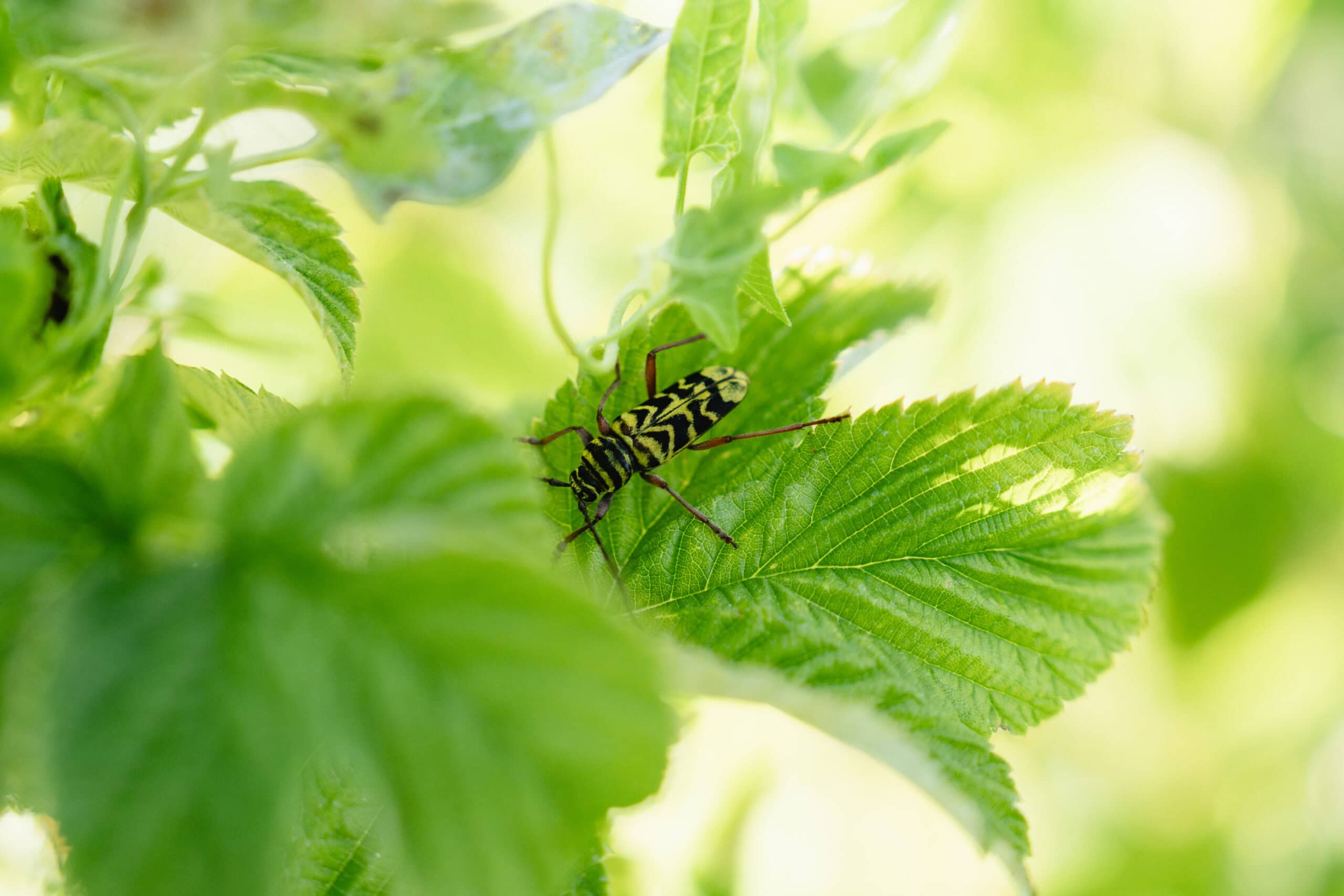
Seeing a bug you don’t recognize on one of your well-tended crops can be unnerving, especially since we’ve all seen plants get taken down by pests in a very short period of time. But not every insect is a pest. In fact, out of the 1.5 million insect species in the world, fewer than three percent are destructive. Stated differently, over 97% of insects are neutral or actively beneficial in the garden. That’s a staggering number, and hopefully it compels us to reframe how we’ve been interacting with insects (written by a recovering bug squasher).
Instead of eliminating so-called “pests,” the goal becomes insect management through biological control, or the use of natural predators. Gardeners achieve this through companion planting, and as a form of management for harmful insects, it’s not only more sustainable and resilient, but it’s also more effective and easier to implement over time than sprays or spot treatments.
Of course, this doesn’t mean you’ll have perfect plants with no holes. Indeed, even in a healthy, thriving companion garden, there will still be a few holes. (We’ve heard it said the Japanese pay extra for vegetables with holes in them, since it indicates vegetables raised with organic growing practices that make them safe for human consumption. Isn’t that brilliant?!). But you’ll notice that in general, the garden gets better and better with each passing year.
What Ladybugs Actually Do in Your Garden
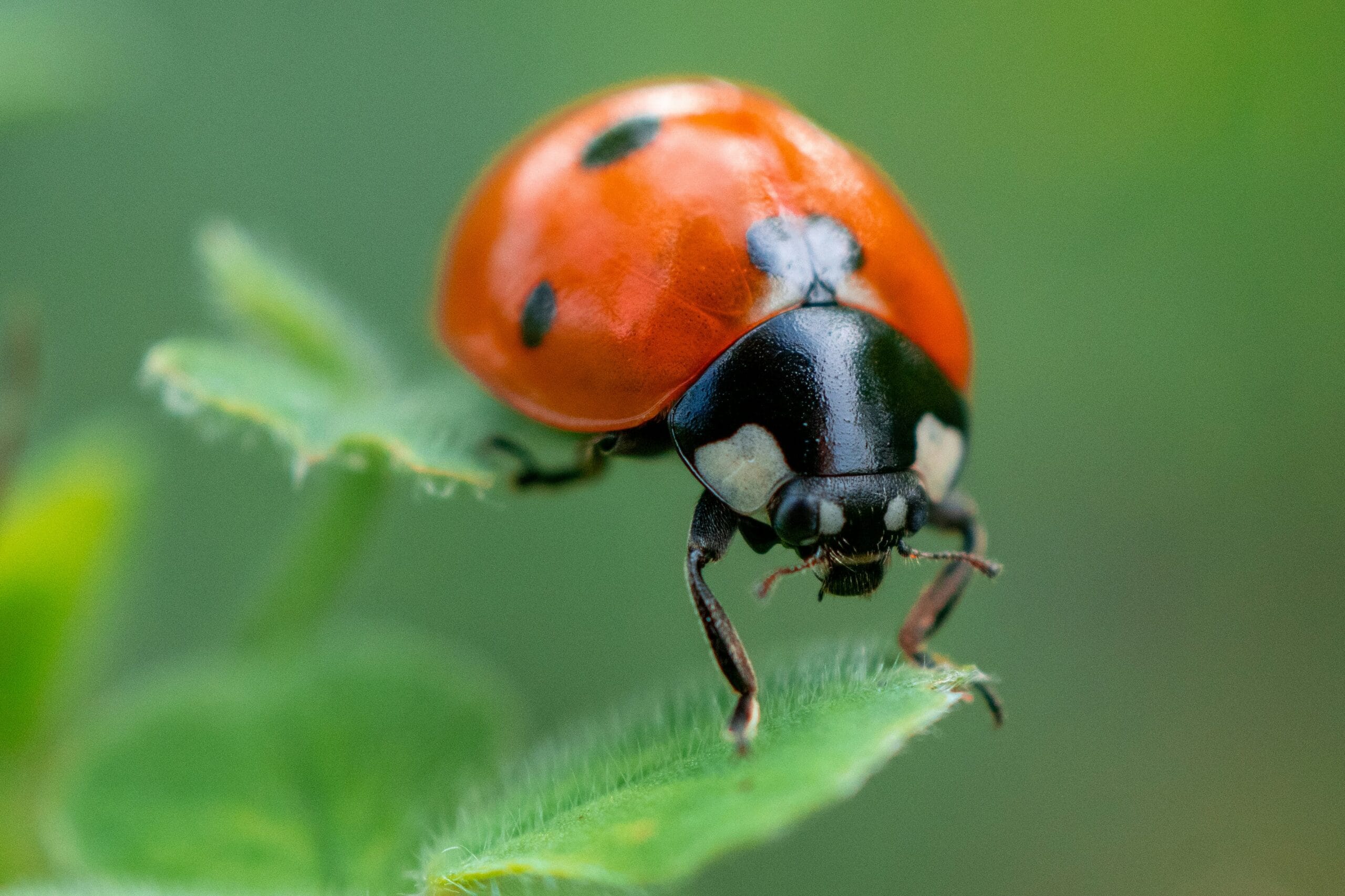
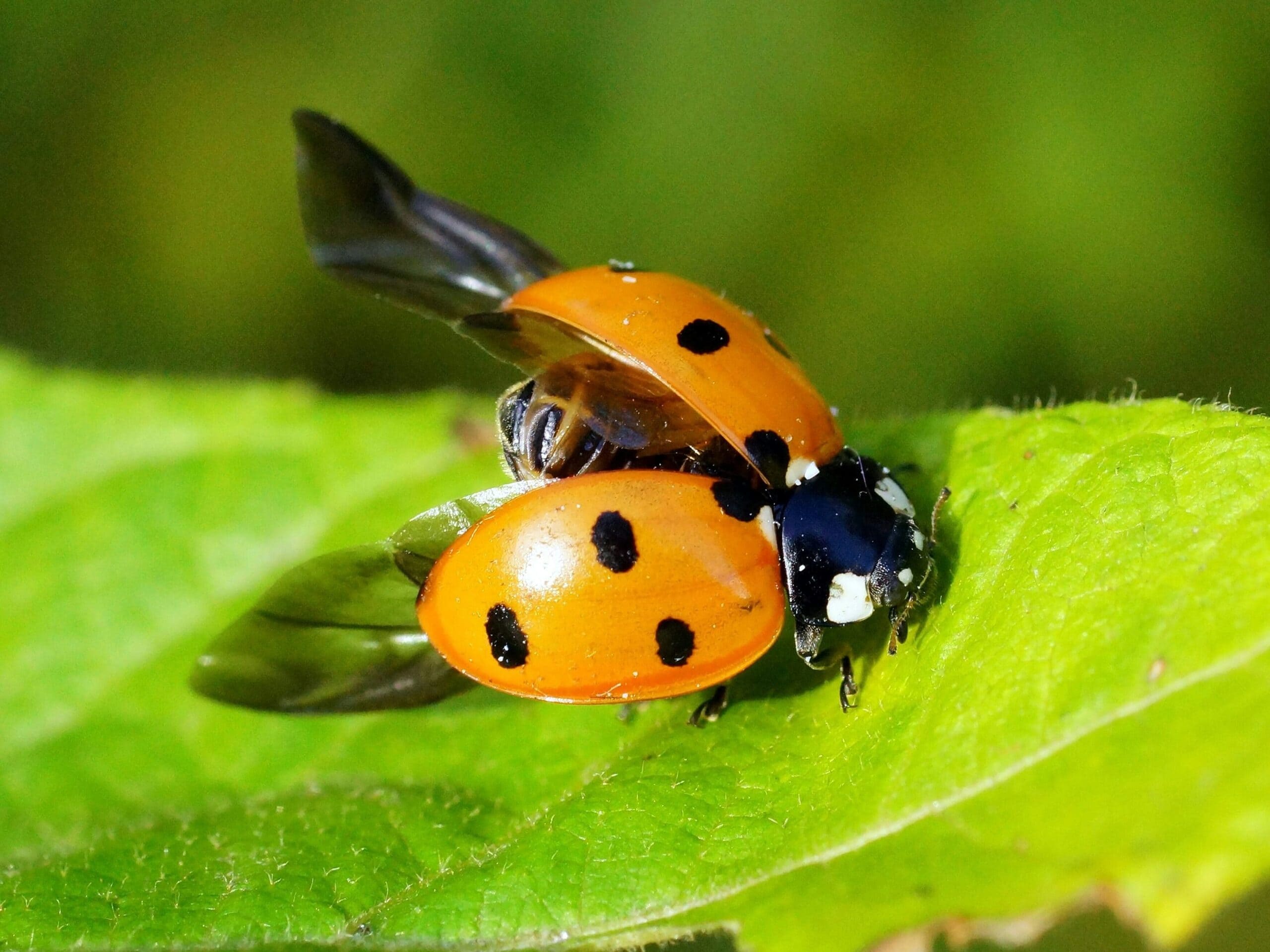
One of the most beloved and iconic among the beneficial insects is the ladybug (also known as “ladybirds” by our friends across the pond and entomologists, who prefer the term to avoid confusion with true bugs). There are over 6,000 species worldwide, mostly red, orange, or yellow with black spots. An adult’s lifespan is just three to six weeks, and a female is capable of laying an impressive 1,000 eggs during that interval.
The larvae that hatch from these eggs are the real workhorses of the garden: one larva can eat up to 250 aphids per day. Over the short lifetime of a single ladybug larva, that adds up to 5,000 aphids! And that’s not all they eat, either. Ladybugs and their larvae also prey on beetle larvae, mealybugs, spider mites, European corn borer eggs, and whiteflies.
With so much going for them, it’s easy to see why many people enthusiastically jump to order ladybugs. But while the thought of releasing purchased ladybugs into your garden seems appealing now, it isn’t advisable, according to Brian Lowell.
Why You Shouldn't Buy Ladybugs from the Garden Center
Almost all ladybug beetles sold commercially in the United States are wild-harvested, which means you’ll have no idea where they came from. Up to 15% of them can carry parasites and diseases that will harm or lower the reproduction rate of native ladybug populations.
What’s more, most will fly away shortly after release in the garden unless confined by some sort of enclosure with fleece or floating row covers. Even then, there is no guarantee they will feed on the pest insects, because they likely were harvested while hibernating.
The same logic applies to praying mantis egg cases and purchased lacewings: releasing too many at once disrupts the garden balance rather than improving it.
The key is to attract native ladybugs to your garden. Combined with the presence of aphids, some strategic planting can signal to the ladybugs that there is good food available for them in your neck of the woods.
Companion Planting
Discover how to use companion planting to create an ecosystem in your garden that will allow you as the gardener to take a back seat!
How to Attract Ladybugs and Get Rid of Aphids Naturally
If the best practice is to attract ladybugs to your garden, what specifically should we plant? In short, plants that will encourage them to come and stay.
In addition to the insects listed above, adult ladybugs have also been known to eat nectar, pollen, and certain mildews when their usual prey becomes scarce. Attract them to your garden by planting chives, cilantro, fennel, thyme, and yarrow, since ladybugs will feed on the nectar and pollen from these herbs. Other companion plants you can try include flowering carrots, zinnias, and sunflowers, all of which attract ladybugs and can help establish a self-regulating cycle between the prey and predator populations.
Another helpful strategy is to plant trap crops, which are meant as a sacrificial crop to protect certain plants from unwanted insects. Trap crops like nasturtiums will draw aphids away from main crops and so protect those plants while you wait for the ladybugs to show up.
The key, though, is that the aphid population needs to exist first, since it’s the prey that primarily brings the predators in. Intentionally allowing some degree of manageable aphid pressure becomes part of the strategy, rather than a sign of failure. To that end, you want to avoid broad-spectrum sprays, even organic ones like neem oil. They kill beneficial insects along with the pesky ones, removing the food source that keeps predators in the garden.
What to Expect in the First Season
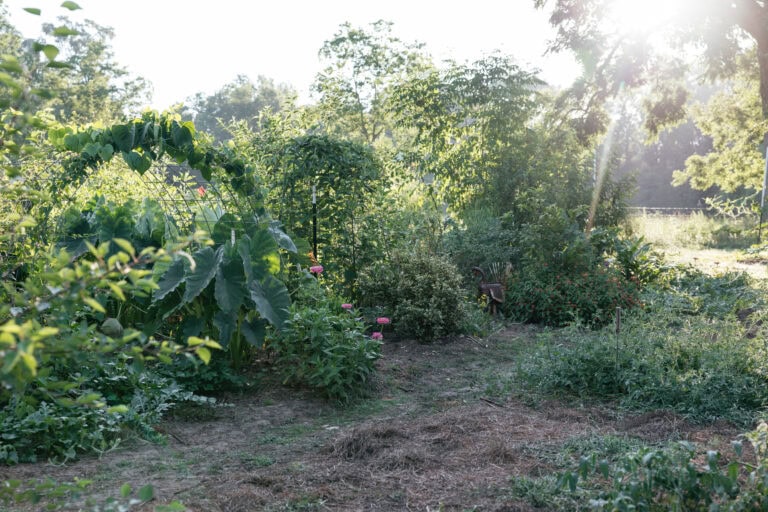
As you might imagine, none of this can happen overnight. Working towards biological control is an ecosystem-building approach that takes time and patience. For Brian, it took two full years for his garden to reach what he calls “par excellence.”
He started by planting companions like alyssum, dill, and fennel among the brassicas that had been overrun by aphids. Much to his dismay, these didn't stop the aphids and cabbage worms from coming. However, he held off on the neem oil because he understood there had to be pests present to feed the good guys he was trying to attract.
After a week, there were some ladybugs on the dill flowers. A few days later, he found ladybug larvae. He still had to pick a few of the larger worms off the plants, but neem oil wasn't necessary that year nor any year since.
By year two, the ecosystem was pretty well established, and Brian's main gardening tasks shifted from battling this or that voracious insect to deadheading, harvesting, and enjoying the garden. (To see the research that went into achieving this turnaround, especially an extensive list of plants with the predators they attract, explore his full beneficial insect system in his Companion Planting class at the School of Traditional Skills.)
Frequently Asked Questions About Ladybugs and Beneficial Insects
Yes, both adult ladybugs and their larvae eat aphids, along with mealybugs, spider mites, whiteflies, and beetle larvae, to name a few of the small insects and mites they enjoy. Ladybug larvae are especially effective, since one larva can consume up to 250 aphids per day and up to 5,000 over its lifetime.
No! Most commercially sold ladybugs in the U.S. are wild-harvested, and up to 15% carry parasites that can harm native ladybug populations. And even if they're healthy, they typically fly away before doing much work. Attracting ladybugs naturally with the right plants is more effective and better for your garden ecosystem.
Ladybugs are drawn to chives, cilantro, fennel, thyme, and yarrow, all plants that provide the pollen and nectar the adults need. Let some of these herbs go to flower for the most benefit. A few plants per bed is enough to get started.
Yes! In fact, a manageable number of aphids is actually part of a healthy companion-planted garden. These insects are the food source for some of the predator insects, and their presence in your garden will attract those beneficials. Remember: The goal is not a garden with zero pests. A few holes in the leaves here and there is actually a sign that the system is working.
Yes. Neem oil and other broad-spectrum sprays – even organic ones – kill beneficial insects along with pests. When you remove the pests, you also remove the food source that keeps predators in your garden. Brian Lowell recommends using neem oil only as a last resort, spot-treating only where necessary, and working to build an insect-attracting ecosystem instead.
One More Thing
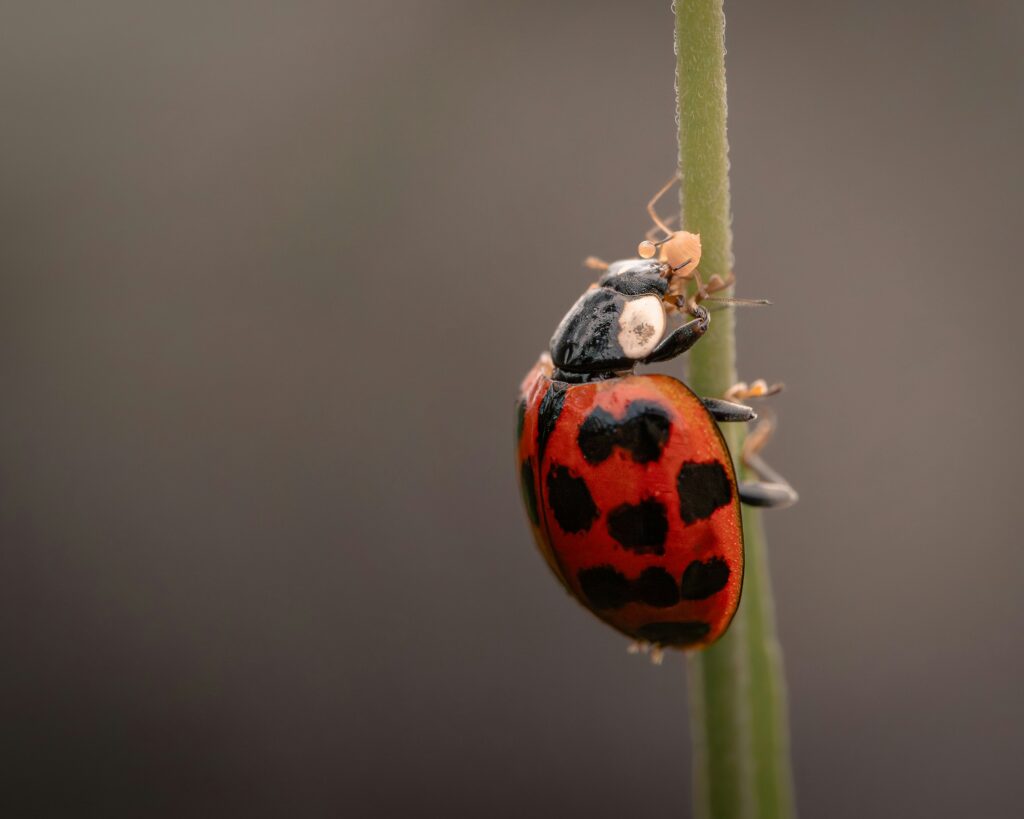
Ladybugs are one of the most effective and low-maintenance pest control tools available – and they're free, once you create the habitat for them.
Taking a slightly different angle, the next article in this series applies the same principles we explored today to a specific, high-stakes pest: the tomato hornworm.
Whatever the insect, Brian’s story demonstrates that the mindset shift is simple and will save you time, money, and headaches in the long run. The only thing you need is patience and to trust that the order apparent everywhere in Creation will manifest in your little corner of the world as well, if you allow it. So do what Brian did, and instead of buying beneficials or reaching for a spray bottle, plant the flowers and herbs that bring the predators in and let the ecosystem build itself – the way nature intended.
Brian’s garden now mostly runs itself, and you, too, can enjoy the fruits of a balanced ecosystem and biological pest control garden, if you take the time to learn about companion planting (with this class available at the School of Traditional Skills!), implement the findings, and observe closely as he did.
Companion Planting
Discover how to use companion planting to create an ecosystem in your garden that will allow you as the gardener to take a back seat!
As a kid, Brian felt his grandparents' garden was magical. Pulling carrots from the ground for the first time, running through a tunnel of beans, finding ladybugs on lettuces — it was the kind of excitement he still remembers as a grown man. A certified master gardener mentored him in his early teens, and those hours spent absorbing her knowledge developed a lifelong passion. Over time, gardening became more than a hobby — it became an outlet during hard times, and later, when he had a family, a way to provide safe, guaranteed food. Over 30-plus years of gardening through success and some tragic mistakes, he learned crucial lessons. When Penguin Random House approached him to write a companion planting book, he was initially skeptical — he had tried it without success. But the research changed everything. He discovered that companion planting is backed by science and actively used by regenerative farms. That revelation fueled his mission to pass this knowledge on, through his YouTube channels (now reaching millions) and his book. He also shares his complete beneficial insect system, trap crop table, and garden-specific planting strategies in his Companion Planting class at the School of Traditional Skills.