This article is the first of our Herbal Remedies at Home series with Dr. Patrick Jones, AKA “Doc Jones.” Ready to go deeper? Doc Jones teaches Herbal First Aid and Herbal Cold and Flu Remedies at the School of Traditional Skills.
Why Families Are Turning Back to Medicinal Plants
Fortunately, there’s a growing awareness today that patented drugs aren’t the only answer. In many cases, most colds, minor wounds, bites, headaches, and everyday inflammation should not require a trip to the doctor or pharmacy at all.
Despite what the extremists may say, herbalism is neither ‘out there’ nor a cure-all. It can safely and confidently handle a lot of what life throws at us. But while herbalism is for everybody, the knowledge of how to use plants and herbs was not passed down to most of us. We find ourselves in need of a mentor, and who better to teach us than a medical doctor trained in medicinal herbs?
Dr. Patrick Jones, better known as Doc Jones, is the founder of the HomeGrown Herbalist School of Botanical Medicine. He has practiced as a veterinarian for over 25 years and works as a clinical herbalist and traditional naturopath, helping both people and animals. Doc Jones has treated gangrene, rattlesnake bites, gunshot wounds, sepsis, and countless acute cases using herbal medicine alongside conventional care. Interestingly, he has found that medicinal plants often outperform pharmaceuticals in the treatment of everyday cases and even in some urgent settings as well.
Of course, the goal isn't to replace emergency medicine – it's to stop making emergency trips for things you can handle yourself effectively with an herbal treatment at home. If that kind of deeply practical and medically grounded approach resonates with you, then this article is for you.
What Medicinal Herbs Do (and Why They Work So Well)
Let’s start with the one major advantage that conventional pharmaceuticals have over herbs: convenience.
Herbs don’t grow in ready-to-eat pill forms in your backyard (even when they’ve helpfully self-seeded themselves in the garden). But in just about every other way, medicinal herbs have the upper hand on pharmaceuticals.
With rising costs at the pharmacy and the increasing awareness of toxic and unnecessary ingredients in products available on the shelf, conventional first aid and cold/flu products may seem like a troubling necessity. In contrast, herbs are inexpensive and unadulterated, two major pluses.
What we don’t hear as often is that medicinal herbs have a major advantage over pills in terms of their mechanism of action. Meaning, while a pharma drug typically contains only one isolated active compound, medicinal herbs contain dozens to hundreds of compounds that work together, hitting multiple problems at once. This is why Doc Jones often combines herbs that share actions: you get broad coverage and rarely build resistance.
More specifically, herbalists categorize herbs according to three main categories of herbal action: antibiotic (kills or inhibits microbes), anti-inflammatory (reduces swelling and pain), and vulnerary (promotes healing of tissue). Amazingly, many herbs often fall into multiple of these categories, which is not typical of pharmacological products.
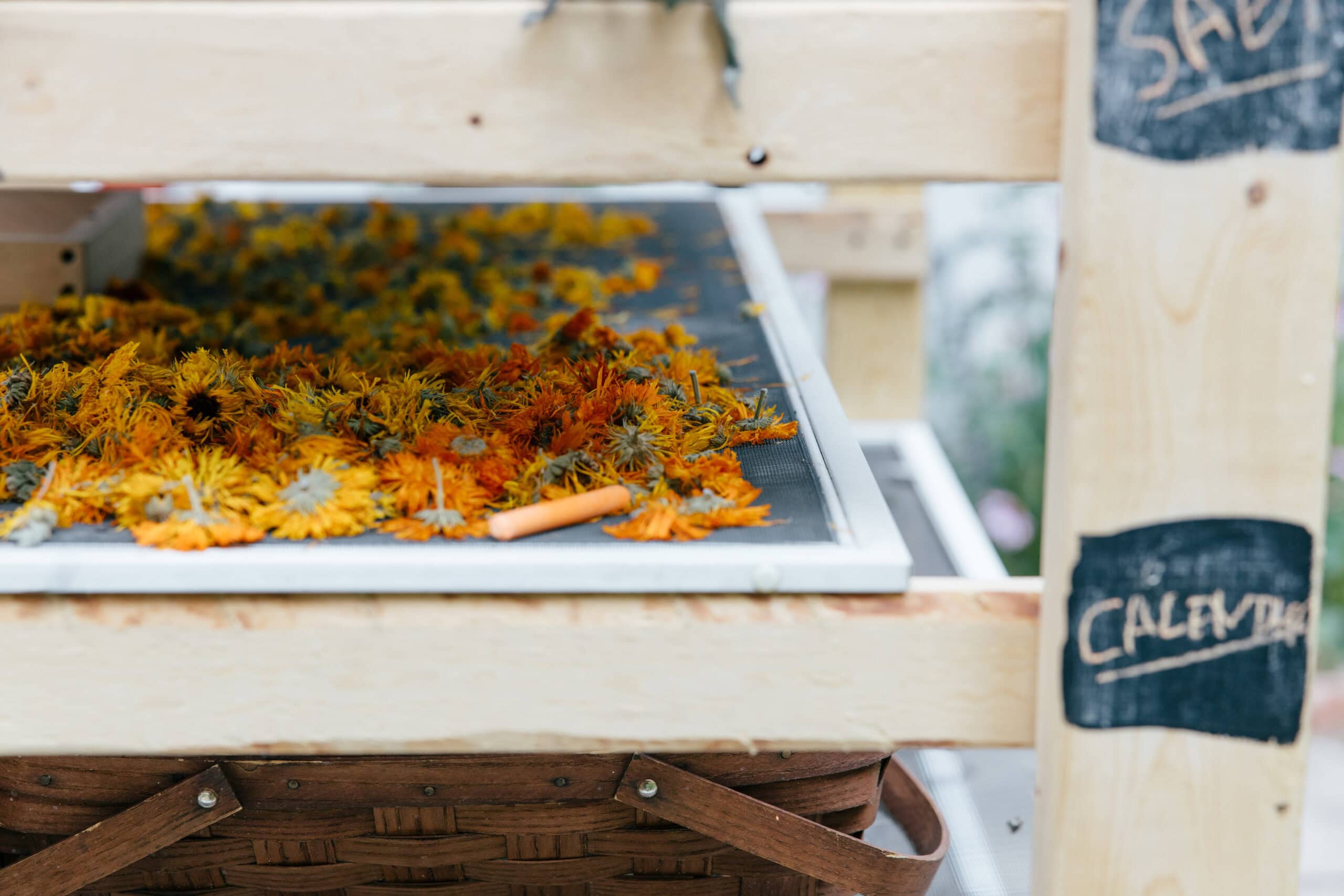
Take Penicillin: it’s an antibiotic that kills a very targeted class of bugs with its one mechanism of action. Calendula, on the other hand, contains antibiotic, anti-inflammatory, and healing properties, particularly for the skin.
Hops is another herb that offers relief on multiple levels:
“Hops, for example, in addition to helping the pain in that wound, is a fantastic antibiotic. A lot of these guys have a lot of overlap — if we understand the principles and abilities of the different plants, we can mix and match and make this really nice combination to solve whatever the problem is.” — Doc Jones, Herbal First Aid, Managing Pain
Intriguing, isn’t it? But before we can start mixing and matching, we need to become acquainted with the particular plants themselves.
Five Medicinal Herbs to Start With
There are hundreds of known herbs, all of them fascinating and fabulous. But if you’re just getting started in your study of herbal medicine, that list can be overwhelming. To really understand herbs, it’s best to focus on a few at a time before adding more.
Between his Herbal First Aid and Herbal Cold and Flu classes, Doc Jones introduces over 20 herbs. Since we’re short on space, we’ll take a look at just five of them here (for the complete list of all 20+ herbs that Doc Jones recommends starting with, see the classes linked above). These give you good coverage across the most common situations you'll face at home, with many of them doubling as both first aid and cold and flu remedies.
Calendula (flower) is the one herb Doc Jones reaches for constantly. You’ll get why it’s a standout when you consider its many properties: antibiotic, anti-inflammatory, antifungal, accelerates wound and tissue healing, immune and lymph stimulation and support, diaphoretic, diuretic, antifungal, and more. All of that to say, calendula is useful for wounds, skin inflammation, and internal use. If you only grow one medicinal herb this season (and you really should do it, especially if you have poor soil), choose calendula. It will be your new best friend.
Comfrey (leaf and root) is Doc Jones's top pick for wound healing. It contains allantoin, a compound that stimulates rapid cell division and speeds tissue repair. Use it topically on surface wounds only, not puncture wounds, because it heals the outside so quickly it can seal an infection inside before the deeper tissue recovers. Bonus: It’s an easy-to-grow perennial that can thrive almost anywhere so long as it’s watered well.
Plantain (leaf) is a drawing herb, meaning it pulls toxins and infection out of tissue. It's antibiotic, mildly vulnerary, and wound-healing, making it one of the best things you can reach for after a bite, sting, or puncture wound. It also grows wild in most North American yards, so it may already be closer than you think. If your kids are always getting into scrapes like ours, teach them how to identify and use it!
Elderberry is Doc Jones's top recommendation for respiratory illness, both for prevention and active treatment, and it has been used medicinally since at least the fourth century BC. Known for antiviral, anti-inflammatory, diuretic, and diaphoretic properties, elderberries are perhaps most commonly used in elderberry syrup, which is an incredible tonic for preventing illness. Making elderberry syrup at home is one of the simplest and most practical herbal projects a family can start with, but elderberries are also lovely in tea.
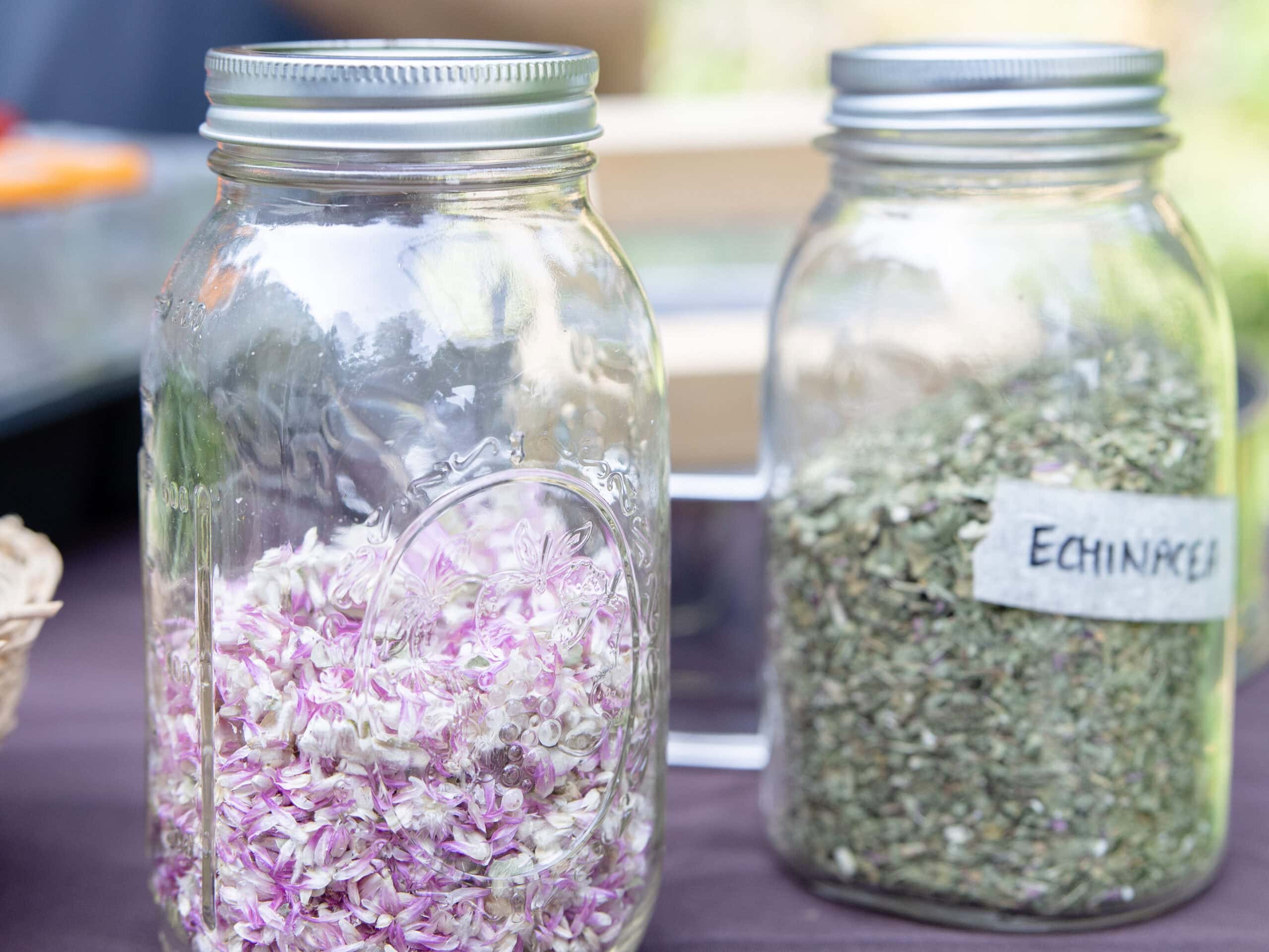
Garlic rounds out the list as one of Doc Jones's top immune-stimulating herbs. It's easy to grow, inexpensive to source, and works well taken at the first sign of illness alongside other antiviral herbs like echinacea (also included in Doc’s cold and flu class). It has direct antibiotic, antifungal, and antiviral properties. And if that weren't enough, it's a pretty good expectorant (i.e., it helps to rid the lungs of mucus).
In his Herbal Cold and Flu Remedies class, Doc Jones demonstrates the steps for making Elderberry Syrup, which combines the elderberry fruit with superfoods like clove, ginger, raw honey, and cinnamon. This delicious syrup is a great vehicle for ingesting elderberries, and works great for kids and adults alike.
Elderberries notwithstanding, a syrup isn’t the typical way that herbs are taken.
Herbal 1st Aid
Join clinical herbalist, naturopath and emergency veterinarian Dr. Patrick Jones from Homegrown Herbalist as he shows you how to treat minor injuries at home — or on your way to Urgent Care — with Herbal 1st Aid remedies.
How to Take Herbs: The Three Basic Forms
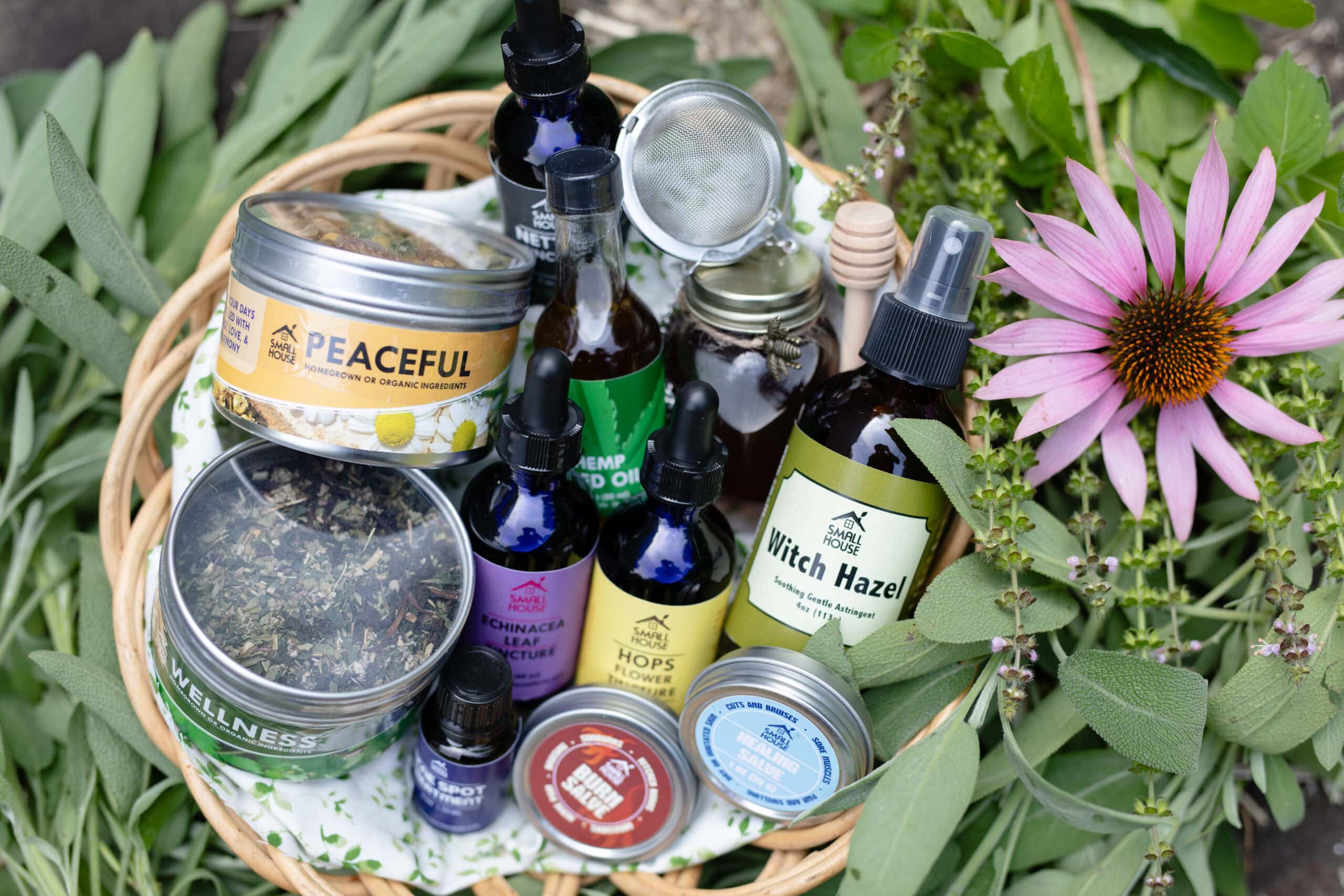
Now that you’ve got a list of herbs to work off, you can decide in what form you’re going to take them: as a tea (infusion), tincture, or topical application. Here is a brief overview of the three.
Teas (infusions)
We’re not talking here about the cheap British stuff that comes in a yellow packet which shall remain unnamed – we mean a true, honest-to-goodness herbal tea! You’ve probably made this beverage before, but simply steep dried or fresh herbs in hot water and cover for a few minutes to keep the volatile compounds from escaping. This approach is best for milder herbs or when taste matters. Teas can be stored in the fridge up to 48 hours, but if you strain out the herbs, it can last you around a week.
Tinctures
This is an alcohol extract of herbs, and it’s Doc Jones's preferred delivery method for most situations. Why? Because for those cases that require urgency, this is the most quickly absorbed option (the alcohol helps it to enter the tissue quickly). The other big benefit of tinctures is that they have a shelf life of many, many years. And while the word “tincture” might conjure up strange images of medieval, gray-haired apothecaries in dark robes (or is that just me?), it’s really quite simple to prepare at home, and we’ll go into depth about the process in our next post.
Topical applications
Otherwise known as a poultice, this method involves crushing fresh herbs and applying them directly to the skin, washing a sensitive spot with a tincture diluted in water, or using salves and oils. These are commonly used for wounds, bites, stings, burns, and skin inflammation.
Regardless of what method you use, Doc Jones often stresses that the key with herbs is getting the right dosage. He recommends using them two to three times daily for maintenance problems, but three to six times daily (depending on the herb and the issue) for an acute infection, pain, or active illness.
Important Safety Considerations From Doc Jones
Please keep in mind three major safety concerns that Doc Jones is quick to note in each of his classes:
- Don't use most herbs during pregnancy or nursing without consulting someone knowledgeable, like your doctor or midwife.
- Don't mix herbs with pharmaceuticals without consulting someone who understands both.
- Herbs cannot replace conventional medicines in the case of many life-threatening emergencies. Use good judgment and seek professional help when needed.
Now onto questions and answers!
Commonly Asked Questions About Medicinal Herbs
Doc Jones, who has practiced as a veterinarian for 25+ years, says that medicinal plants often outperform pharmaceuticals for many everyday ailments. He has treated gangrene, rattlesnake bites, and sepsis using herbal protocols alongside conventional care throughout his career, working with both animals and people, and he has found that medicinal plants often outshine modern pharmaceuticals. The evidence isn’t just anecdotal, either – there is abundant scientific research on plant chemistry to back up these claims. The key is using the right herb for the right problem in the right form and dose.
Some herbs have genuine antibiotic properties, including calendula, hops, yarrow, and plantain. For minor wounds, bites, and surface infections, herbal antibiotic washes and poultices have been used effectively for centuries. That said, serious infections, deep puncture wounds, and anything showing signs of systemic infection require prompt medical attention, and herbs are not a substitute for prescription antibiotics in the case of life-threatening or rapidly progressing infections.
Calendula is one of the most accessible first herbs. It’s easy to grow, has multiple applications (including for wounds, skin inflammation, and internal use), and is gentle enough for most people.
Plantain is another easy starter. It grows wild in most North American yards (it’s that “weed” that grows alongside your driveway!), and a simple poultice can be made from fresh leaves in under two minutes.
Herbs have been used for thousands of years, and for most people, in most scenarios, the safety margins are really wide, especially compared to pharmaceuticals. The main safety considerations are that some herbs interact with pharmaceuticals (which is why you should always ask your prescribing doctor before starting a new herb), some are unsafe during pregnancy or nursing, and dosing matters.
Note that organic herbs are preferable for medicinal usage, since you're concentrating the plant's compounds.
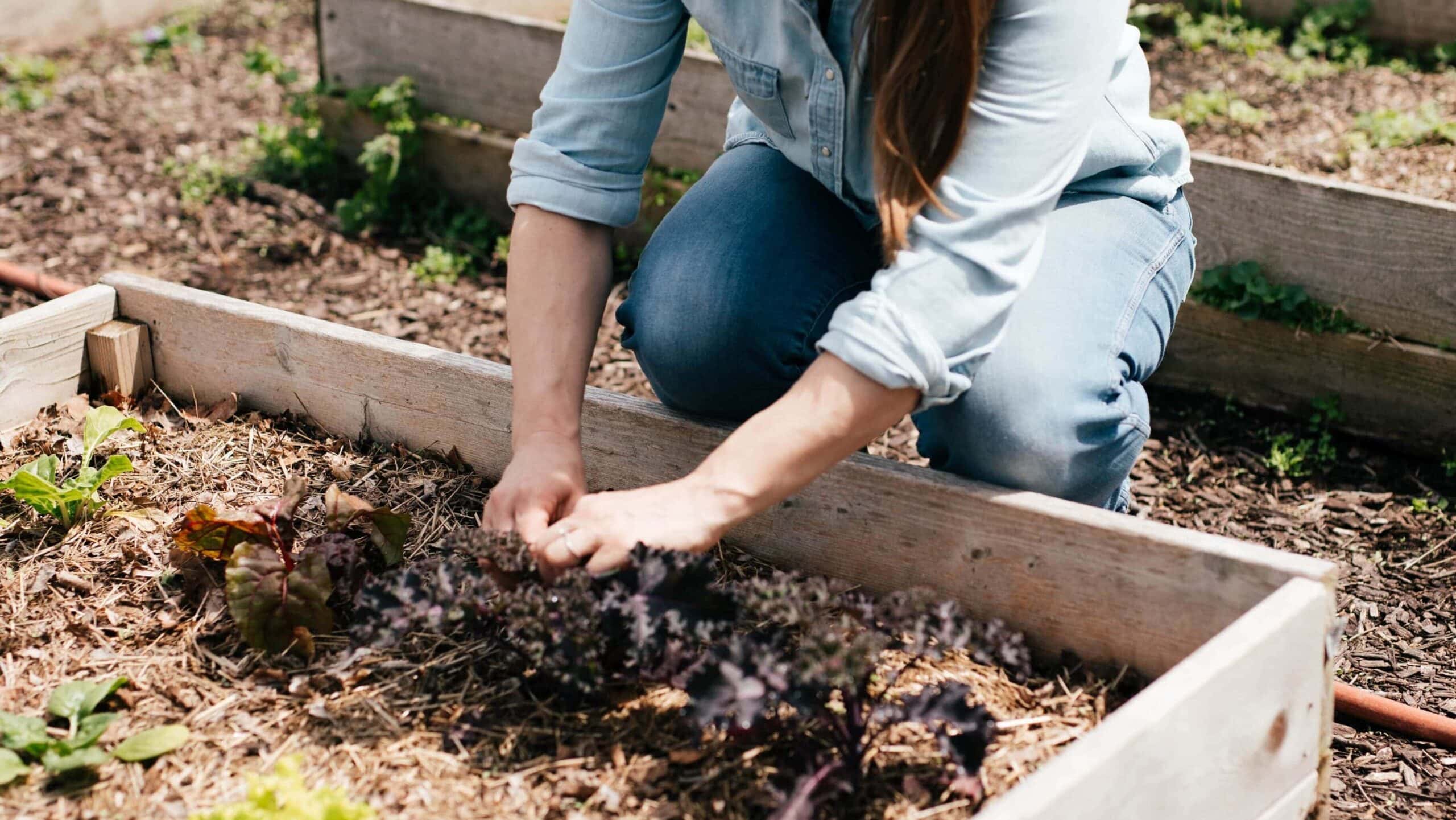
Not at all! Calendula, chamomile, echinacea, and many other medicinal herbs grow happily in containers or small raised beds. And in most temperate regions, plantain and yarrow grow wild and may already be in your yard.
One More Thing
When you consider that medicinal plants have been used for centuries to treat the same ailments that still send people to urgent care today, it becomes clear that this article hasn’t scratched the surface of what herbs can do for you and your family. But hopefully it inspires you to explore the magnificent world of medicinal herbs, and even to grow some herbs right now.
If you’re ready to embark on the journey of incorporating herbs into your life, a good place to start is with two or three from the list above – calendula and plantain probably being the easiest entry points. Get them growing or purchase them dried to familiarize yourself with what they look like, and then study what they're good for and how to take them before looking into other herbs.
One fabulous method for taking herbs is learning how to make a tincture. Check out the next post in this series, where we walk through Doc Jones's tincture method step by step.
If you want to go deeper with an expert who has used these plants in actual medical practice for 25+ years, Doc Jones's Herbal First Aid class at the School of Traditional Skills is a wonderful resource. He has helped thousands of families build confidence with plant medicine at home, and he can help you and yours as well.
Herbal 1st Aid
Join clinical herbalist, naturopath and emergency veterinarian Dr. Patrick Jones from Homegrown Herbalist as he shows you how to treat minor injuries at home — or on your way to Urgent Care — with Herbal 1st Aid remedies.
Disclaimer: The information in this article is for educational purposes only. It is not medical advice, and it is not a substitute for the guidance of a qualified healthcare provider. Nothing here should be used to diagnose, treat, or replace care for any medical condition. If you are pregnant, nursing, taking prescription medications, or dealing with a serious or worsening health situation, consult a knowledgeable healthcare provider before using any herbal remedy. School of Traditional Skills is not responsible for any outcomes resulting from the use of information in this article.