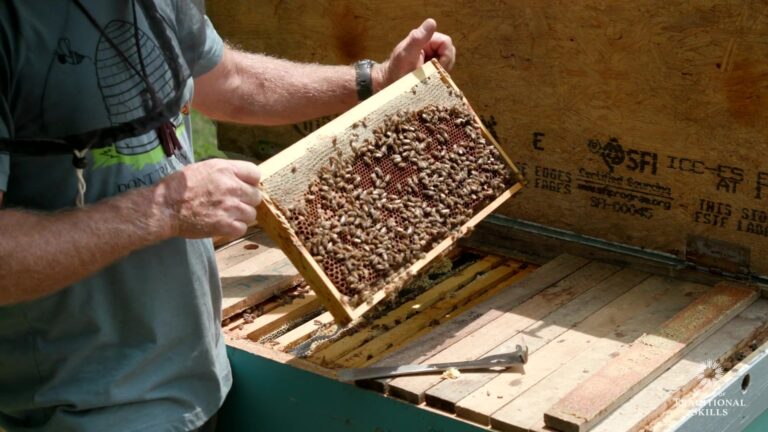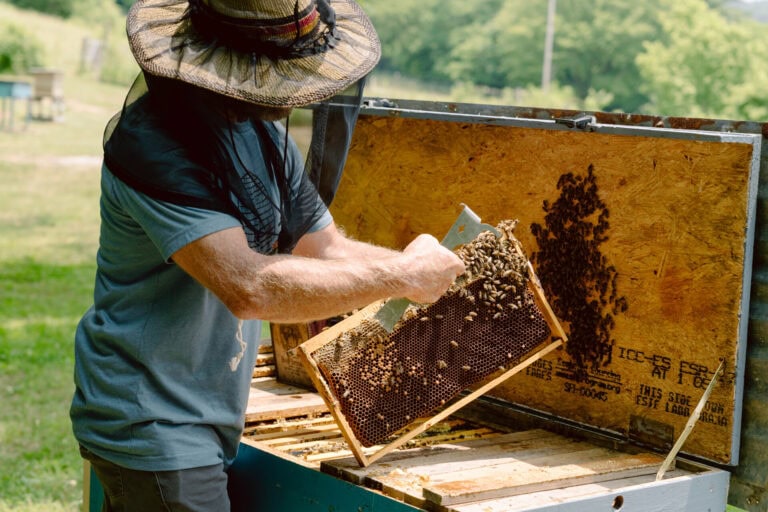
This article is the last in a series on Late Spring Beekeeping. See article one here, article two here, article three here and article four here. If you’re ready to take the next step, check out our class on Natural Beekeeping with Adam Martin of Bee Kept.
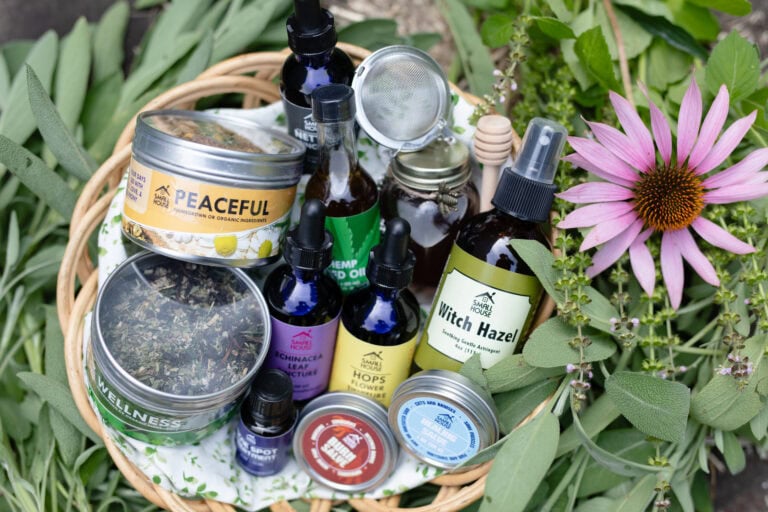
For beekeepers who are past their first year, learning to harness beeswax for herbal salves opens up a world of natural medicine-making that's simpler than most folks might think.
Why Use Beeswax?
Candles might be the first thing you think of when you hear the word beeswax, but beeswax is a diverse and truly remarkable substance that's been used for thousands of years in medicine, art, and practical applications. Richardson, who worked as a surgical first assistant before dedicating herself to her homestead, points out something most people don't know: beeswax is still used in operating rooms today as the primary ingredient in bone wax, used to stop bleeding.
When asked if medical science has found a better synthetic alternative to beeswax, she confirms that they haven't.
Of course, the same properties that make beeswax valuable in modern surgery make it perfect for homemade salves and balms. Beeswax is soluble, meaning you can mix it with other ingredients; it’s malleable, softening at body temperature and molding to the skin, it’s water-insoluble, creating a protective layer and locking in moisture, and it’s anti-allergenic and anti-inflammatory.
Natural Beekeeping
Join Adam Martin from the Bee Kept as he shows you the natural sustainable way to keep bees!
The Simple Formula for a Perfect Salve
Richardson's favorite salve recipe is refreshingly straightforward, uncomplicating skin care in a world where chemical formulas prevail: one ounce of beeswax to eight ounces of herb-infused oil.
This basic 1:8 ratio creates a salve with the right consistency, spreading easily and absorbing well into the skin.
Creating Herb-Infused Oils
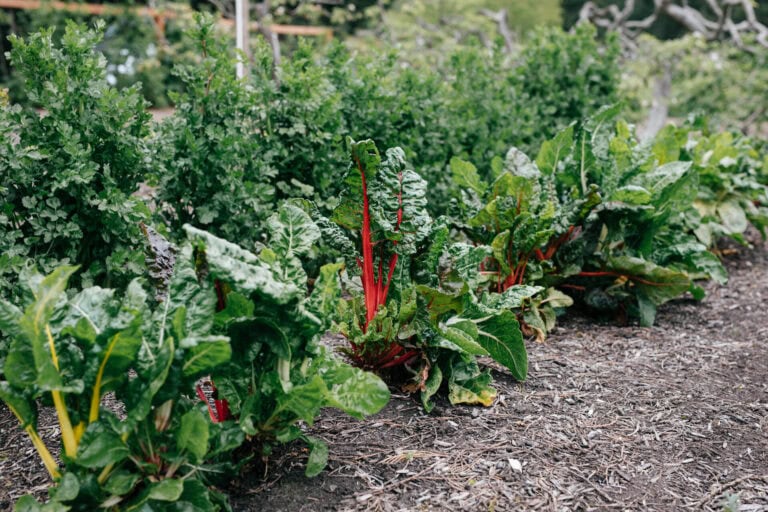
The power of a healing salve begins with infusing high-quality oils with medicinal herbs. Richardson highlights two herbs she uses for salve-making:
Plantain (Plantago major). Not the banana-like fruit, but the common “weed” that grows in lawns and pathways. She describes it as “broadleaf plantain” and uses it for its drawing and healing properties.
Calendula (Calendula officinalis). With its cheerful orange and yellow flowers, Richardson notes that calendula has “tissue mending properties,” making it excellent for skin issues.
To make an infused oil, you can use either the traditional solar infusion method (placing dried herbs in oil and letting them infuse in sunlight for several weeks) or a gentle heat method (warming the herbs in oil on very low heat for several hours).
The Salve-Making Process
Once you have your herb-infused oil ready, making the salve is remarkably simple:
- Measure your oil: Use 8 ounces of your herb-infused oil (or a blend of multiple infused oils).
- Add beeswax: Add 1 ounce of grated or pellet beeswax for easier melting.
- Melt gently: Combine the oil and beeswax in a double boiler or a heat-safe container set in a pot of water. Warm over low heat until the beeswax completely melts into the oil.
- Test consistency: Before committing to pouring the entire batch, place a small amount on a cool plate. Wait a minute and check the texture. If it's too soft, add a bit more beeswax. If it's too hard, add more oil.
- Pour and cool: Once you're happy with the consistency, pour the mixture into clean tins or jars. Allow to cool completely before capping.
Starting Your Own Salve-Making Journey
You don't need to be a beekeeper to start making herbal salves! You can purchase quality beeswax from local beekeepers or online suppliers. But Richardson encourages anyone with even a modest amount of space to consider keeping bees.
In a world where we're increasingly disconnected from our medicine-making traditions, there's something deeply satisfying about opening a tin of salve you made yourself from herbs you grew and beeswax from your own hives (or your local beekeeper's hives).
Whether you're dealing with cracked hands from farm work, minor cuts and scrapes, dry skin, or insect bites, a well-made herbal salve addresses these everyday ailments without a trip to town or a long list of ingredients you can't pronounce.
Getting Started Today
Ready to make your first batch? Here's what you'll need:
Ingredients:
- 8 oz herb-infused oil (plantain, calendula, or a combination)
- 1 oz beeswax (grated or pellets)
Equipment:
- Double boiler or makeshift double boiler (heat-safe bowl over a pot of water)
- Small tins or jars for storage
- Stirring utensil
Process:
- Infuse your herbs in oil (plan ahead since this takes time)
- Melt beeswax into the infused oil over gentle heat
- Test consistency
- Pour into containers
- Label with ingredients and date
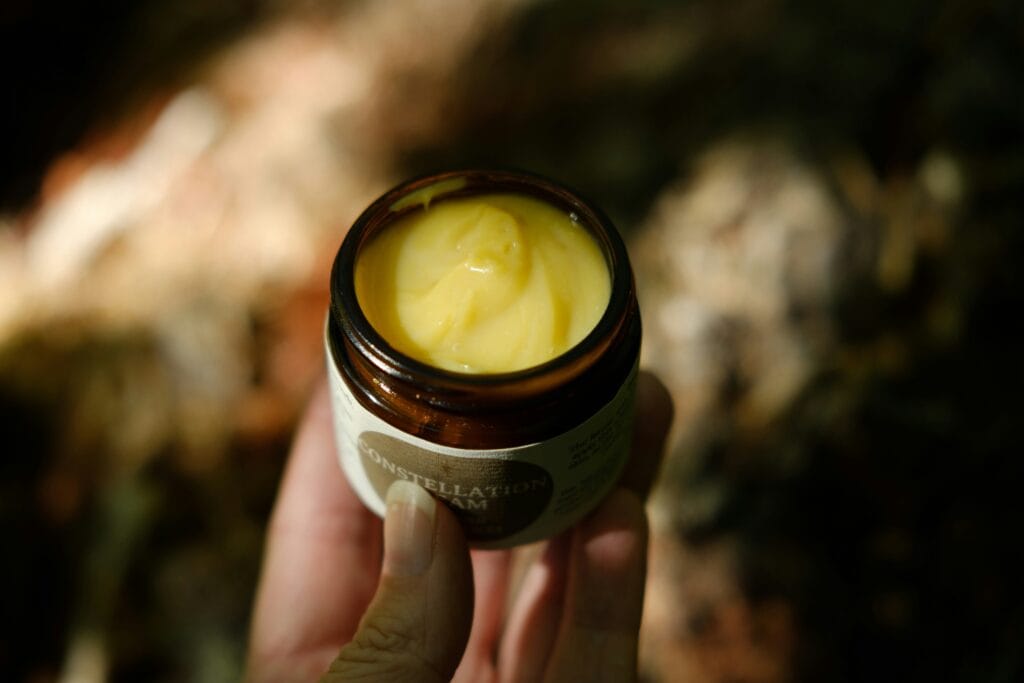
One More Thing
Kaylee’s teaching emphasizes that both beekeeping and herbalism are practices where learning never stops. Like many of our instructors, she encourages beginners not to be intimidated by experts who seem to know everything, reminding students that everyone's journey is different and there's always more to discover.
Her message applies equally to salve-making and every other traditional skill: start simple, learn as you go, and look for the patterns in nature to be your guide.
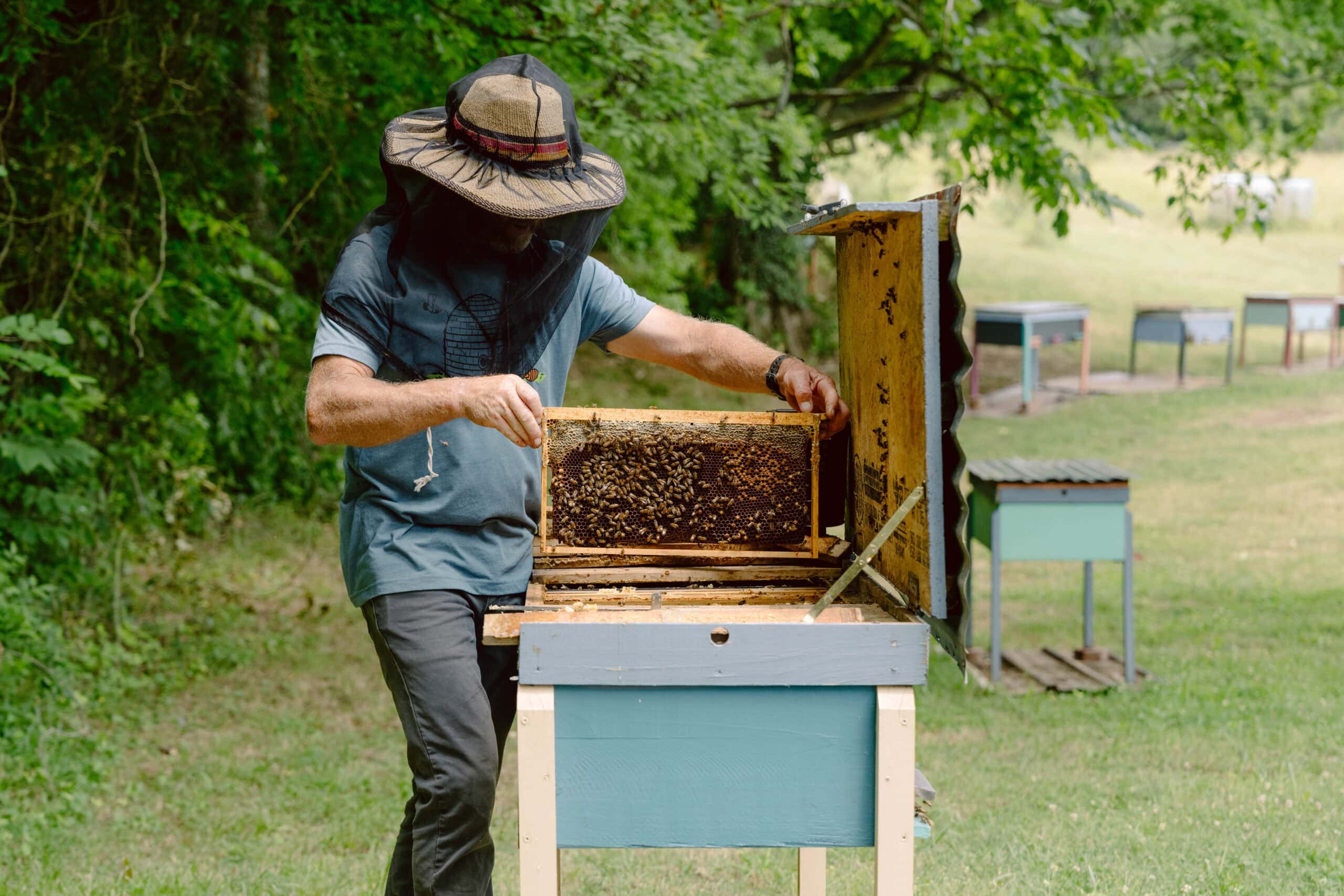
If you want to go deeper on working with bees and harvesting the kind of raw, high-quality honey and beeswax that makes salves like this one worth making, look into Adam Martin's class, “Natural Beekeeping” at the School of Traditional Skills. Adam brings years of experience keeping bees the simple, chemical-free way, and when you understand where your honey comes from, everything you make with it gets even better.
Natural Beekeeping
Join Adam Martin from the Bee Kept as he shows you the natural sustainable way to keep bees!