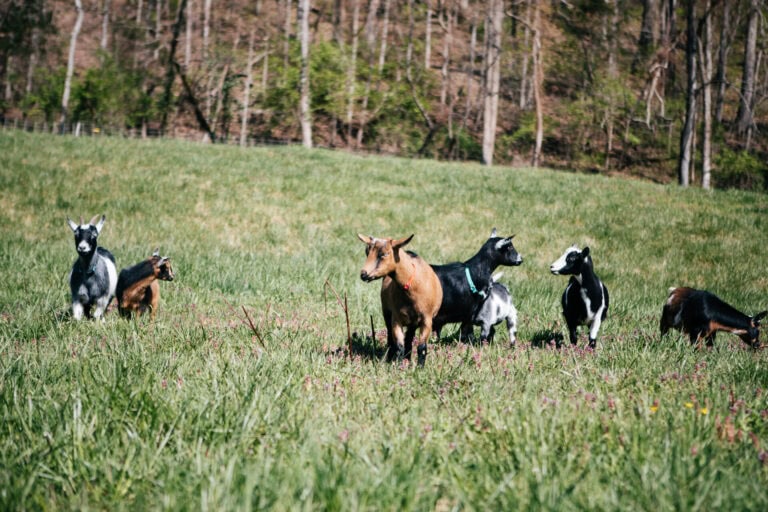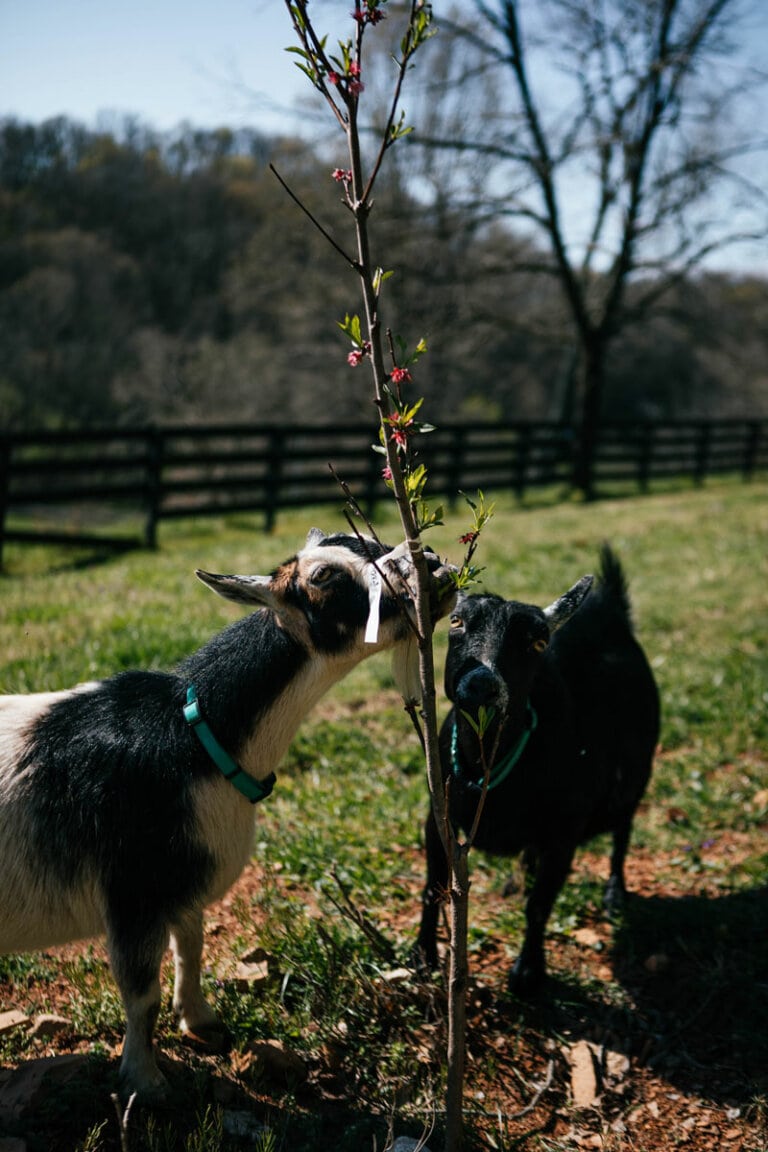
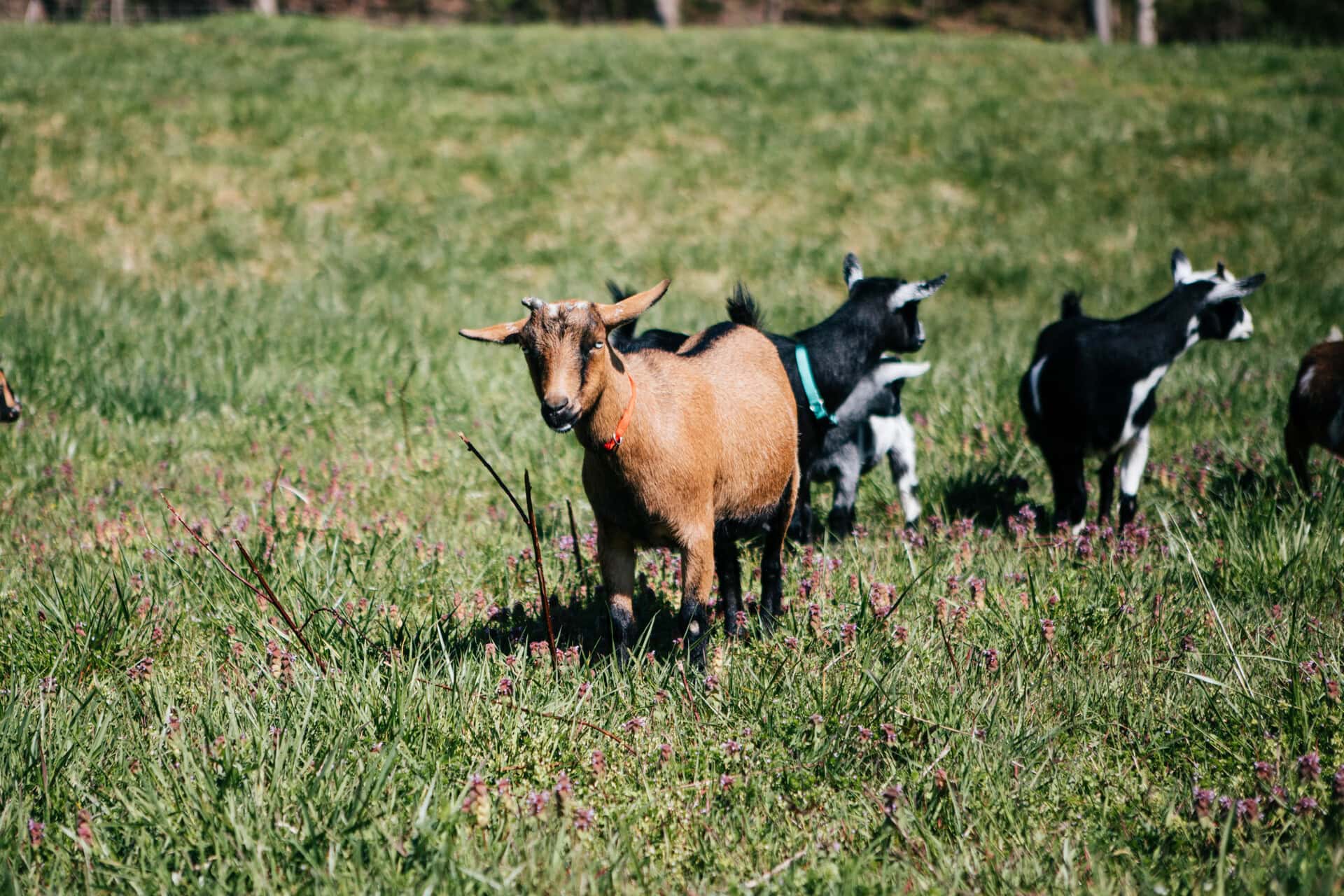
But goats are not for the faint of heart.
They are intelligent, curious, strong-willed, and full of personality. They will find the weak spot in your fence before you do, challenge routines that are inconsistent, and make it very clear when something in their little goat lives is not to their liking. All the more reason to ensure you're starting with a solid foundation. This article covers the basics so your first season feels more manageable and less overwhelming.
Choosing the Right Goat for Your Needs
The clearest starting point is knowing what you actually need from your animals.
If what you want most is fresh milk for your family, your choices about goat breed and care will differ from those of someone prioritizing meat or fiber production. In that case, you might opt for an Alpine breed over a Boer goat. Or if you’re not yet sure, you may decide to keep your options open and go with a dual-purpose (meat and milk) breed like Nubians. Whatever draws you to goats, your answer shapes everything from the breed you select to how you structure your daily care.
And as with any new addition to the homestead, first assess your space, your schedule, and how comfortable you feel working with livestock. This is an essential step before you bring goats home. Animals should suit your circumstances, both in terms of the physical space and day-to-day rhythm.
The Essentials to Look For in a Milking Goat
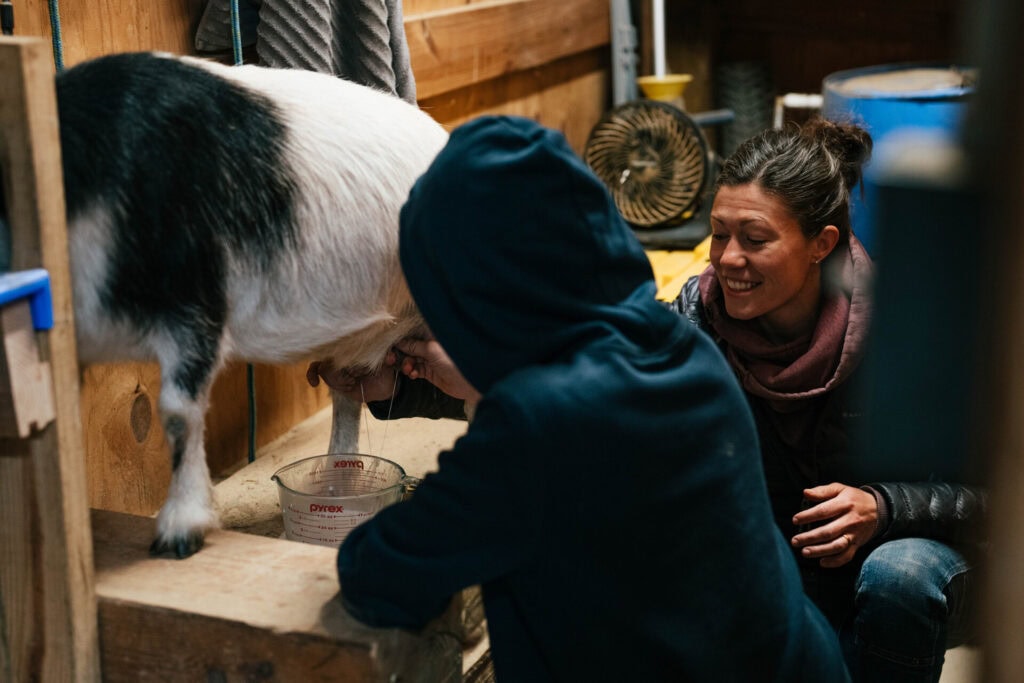
For dairy goats, udder structure matters. Look for teats that are large enough to milk comfortably (at least two finger-widths), a doe that is calm on the stanchion, and a strong health history you can trust.
If you’re just getting started, acquiring young goat kids may be appealing. Not only are they cute, but you can get to know each other and build routines from an early age. However, a trained adult is often the more sensible match for a novice goat owner. She may cost a little more upfront, but if she comes with healthy habits and an established milking routine, that could be well worth it while you’re still learning the ropes. If this is your first time caring for a dairy goat, ask the current owner whether they would be willing to show you how to milk and provide feedback on your setup.
Housing and Fencing
A thoughtful design can avoid countless problems.
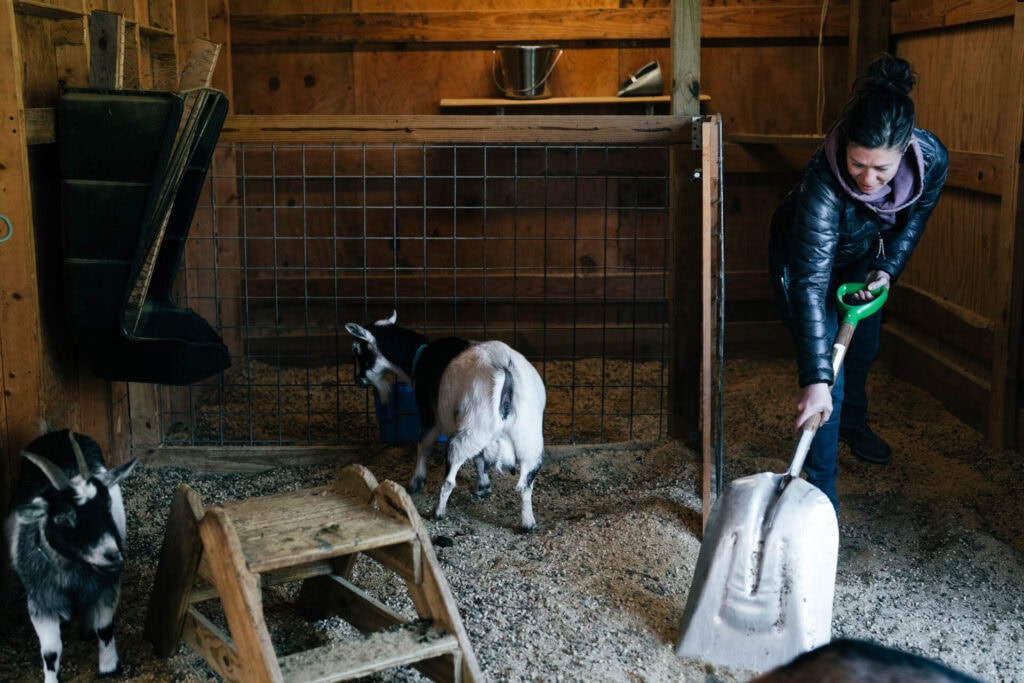
Goats need dry shelter that reliably keeps them out of wind and precipitation. It need not be large, complicated, or even fully permanent. In fact, a temporary, adjustable interior layout that can flex from one season or year to the next is ideal. With a little planning, for instance, you can build a shelter that’s effective both in and out of the breeding and kidding cycles.
Regardless, the structure needs to be dependable, and either a three-sided shed or small barn would work well. Pellet bedding is one of the more expensive bedding options, but it really helps to manage moisture levels and facilitates daily spot cleanings by containing messes. In very cold climates, if a thick layer of bedding doesn’t do the trick, adding supplemental heat may be wise (but never at the expense of ventilation).
Fencing deserves as much thought as the shelter itself. Goats quickly find weak spots and commit them to memory. Woven wire is a solid choice for permanent pens. For rotational setups, electric netting or hog panels work well. Gates should open inward, latch securely (a two-way gravity latch is a good bet!), and hold up to daily use.
If you are in an area with predator pressure, a guardian animal is worth considering. Dogs, llamas, alpacas, and donkeys are all used on homesteads, and your pick of guardian will depend on your context.
Feeding and Watering
The foundation of a goat’s diet is forage. Pasture, woody forage (also called browse), and clean hay such as orchard grass make up the bulk of what they eat. For some folks, Chaffhaye – a fermented alfalfa product – works well as a supplemental forage alternative.
Black oil sunflower seeds are a practical addition for coat health and hoof strength. Lactating does have higher nutritional demands, and an organic grain mix, along with sunflower seeds, is commonly used to help does maintain body condition throughout the milking season.
Minerals are essential. Goats should always have access to free-choice mineral supplements formulated specifically for them. Kelp meal and molasses are additions some homesteaders use for extra trace nutrients, and having baking soda handy can calm a sudden stomach ache. A weekly Replamin mineral drench is an additional support option if you doubt they’re getting what they need from their diet.
To water your goats, five-gallon buckets work well for most people. Secure them so they cannot tip, and keep them clean and full throughout the day.
Routine Care and Record-Keeping
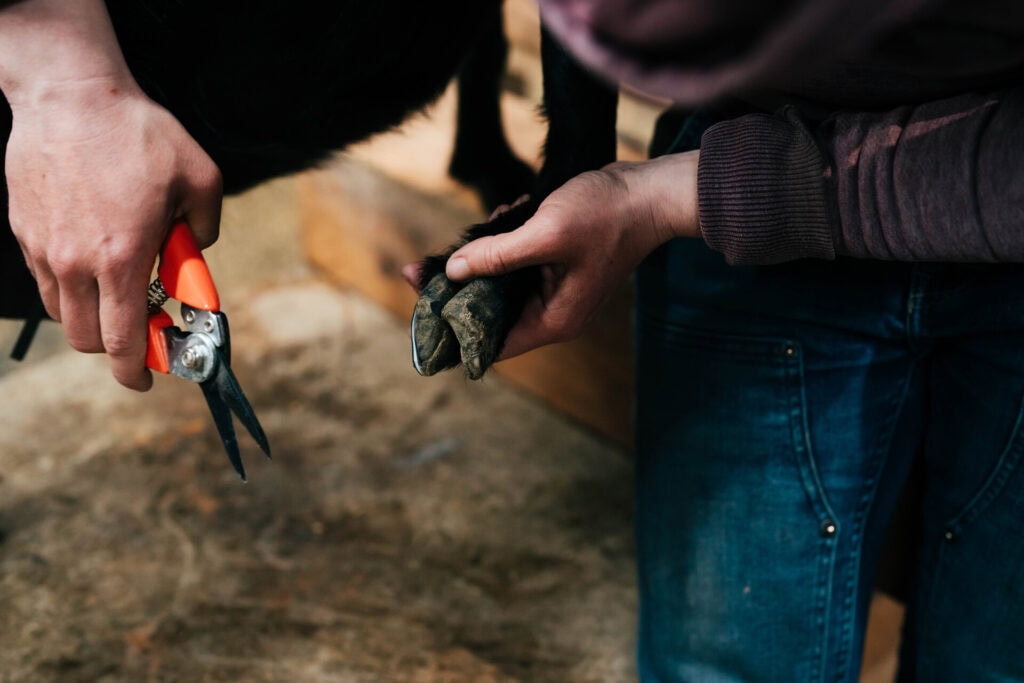
When you include a simple tracking system into your daily routine, caring for your goats becomes easier. A whiteboard or a notebook where you log deworming, heat cycles, hoof trimming, and breeding dates gives you something to refer back to. Over time, you’ll recognize the patterns those records reveal and make more confident decisions as a result.
Another element of good animal stewardship is to prepare before something goes wrong. A well-stocked first aid kit is a must, and if you’re keeping goats, consider having Replamin, a copper bolus, vitamin B, mineral oil, a de-wormer, molasses, electrolytes, and Blue Kote available. Consult with your vet as to whether there are certain prescription medications you should also have on hand in case of emergency.
Your physical setup can go a long way towards helping you achieve your desired goals. A stanchion makes milking and handling more straightforward. Feeders that reduce waste, hobbles when needed, and basic fly control all add up to a routine that is smooth and steady. We’re not after perfection, but a system that works well enough now.
One More Thing…
Raising goats can bring tremendous value to a homestead, and that value builds over time with consistent, attentive care.
Start small, create stable routines, and pay attention to your animals. Over time, you will begin to read their behavior, understand their needs, and find where they belong in the rhythm of your land and your days.
Get your shelter in place and walk your fence line before you bring your goats home to ensure they have a safe and secure enclosure. Then, begin with a couple goats and see how it goes. You do not need to have everything figured out to get started, and if you so wish, you can eventually expand the herd as your confidence grows.
If you’re ready to dive in now and learn more, explore our Keeping Milk Goats class. It has resources that walk through breeding, milking, and long-term care in more detail, providing you with the support you need on this skill-building journey.
Keeping Milk Goats
Join Anne of All Trades’ Anne Briggs to learn how to purchase, care for and milk healthy and happy dairy goats!