Many gardeners assume that herbs need bright light from morning to evening. For some herbs, that is true. Rosemary, thyme, and oregano all prefer at least six hours of direct sunlight. But plenty of useful, beautiful herbs grow well in lower light. If you have a shaded patio, a north-facing bed, or a quiet corner along a fence, you may have more growing space than you think.
That is where shade-tolerant herbs come in. Once you know which plants can handle lower light, those overlooked corners start to look a lot more useful.
Understanding Shade in Your Garden
As you’re looking for a place to plant an herb garden, or even just a spot to stick a favorite herb, it helps to understand what kind of shade you are working with. Not all shade is the same, and the difference matters when you are choosing the best shade herbs for your space.
Partial shade usually means a spot gets about three to six hours of direct sunlight each day. That might be morning sun followed by afternoon shade, or filtered light moving through a tree canopy. Many culinary herbs do well in these conditions, especially those that struggle with intense afternoon heat.
Full shade usually means less than three hours of direct sun each day. These areas may still get indirect light, but they do not get long stretches of direct sun. Full shade suits a smaller group of herbs, mostly woodland plants that evolved under forest canopies.
Spend a few days watching the space you have in mind. Notice where the light lands in the morning, at midday, and in the late afternoon. Then pay attention again as the season shifts. A spot that is open and sunny in early spring can become deeply shaded once the trees leaf out. That seasonal change matters when you are planning which herbs to plant and where.
The Best Culinary Herbs That Grow in the Shade
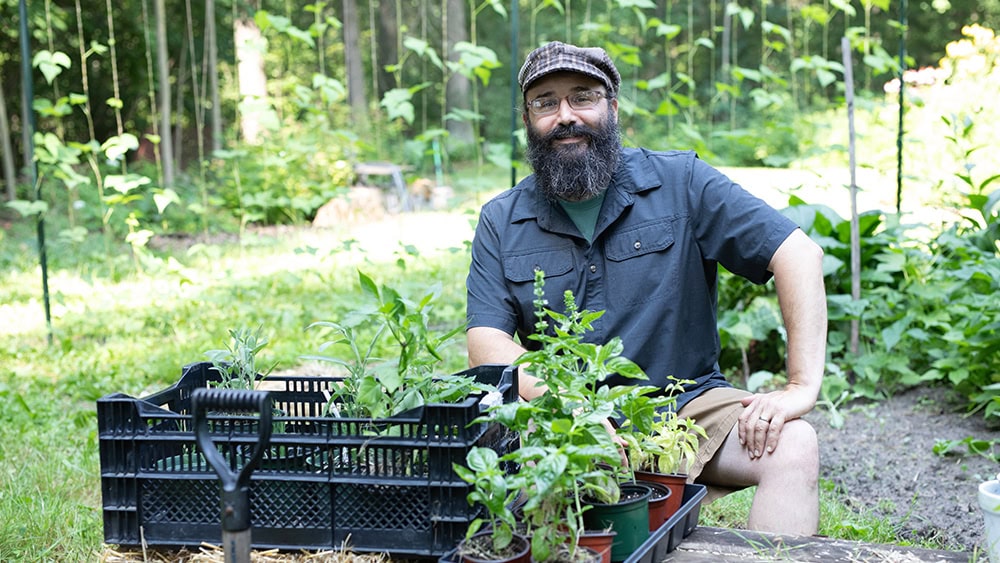
These are the workhorses of a shaded herb garden. They bring flavor to your kitchen, tolerate lower light, and forgive beginner mistakes. If you are just starting to experiment with growing herbs in shade, this is where to begin.
Mint
Mint is one of the easiest shade herbs to grow, and once it settles in, it can be very vigorous. Partial shade suits it well, especially in warmer climates where full sun can stress the plant and make the leaves taste harsh.
The bright, refreshing flavor works in teas, cocktails, salads, and desserts. Spearmint and peppermint are the most common varieties, but chocolate mint, apple mint, and lemon mint all grow well in similar conditions.
Because mint spreads aggressively through underground runners, containers are usually the best choice. A pot near the kitchen keeps it useful without letting it wander through the garden and crowd out other plants. In the ground, mint can take over an entire bed within a season or two if left unchecked.
Parsley
Parsley is a biennial herb, which means it grows leaves in its first year and then flowers and sets seed in its second. Partial shade can help keep those leaves lush and green, especially when warm weather arrives. Too much summer sun can cause leaves to yellow and the plant to bolt prematurely.
Both flat-leaf (Italian) and curly parsley grow well in shaded herb gardens. Flat-leaf parsley has a stronger, more complex flavor and is often preferred for cooking. Curly parsley is milder and makes a nice garnish.
Parsley works well in containers, raised beds, and mixed herb plantings. If you cook with parsley often, plant a few instead of one so you can harvest lightly from each without stressing any single plant. Cut stems from the outside of the plant, leaving the center to continue growing.
Chives
Chives are one of the more forgiving herbs to grow and a good fit for lower-light spaces. They bring a mild onion flavor to eggs, salads, soups, and roasted vegetables. The edible purple flowers that appear in late spring are a bonus and attract beneficial pollinators to the garden.
They do well with morning sun and afternoon shade, and their upright, grassy growth makes them easy to fit into a mixed planting without crowding anything else out. Chives are also perennial in most climates, so once established, they return year after year with minimal care.
Harvest by cutting the leaves near the base rather than trimming the tips. This encourages fresh growth from the center of the plant. Chives can be frozen, dried, or used fresh, though fresh is always best for flavor.
Cilantro
Cilantro bolts quickly in heat, which is why so many gardeners feel frustrated by it. A little shade can help. Try planting cilantro where it gets cooler morning light rather than harsh afternoon sun. It may still move through its life cycle quickly, but partial shade can give you a longer window for harvesting fresh leaves before the plant sends up a seed stalk.
Cilantro prefers cooler temperatures, so it performs best in spring and fall. In mild climates, you can grow it through winter. In hot climates, shade becomes even more important for extending the harvest season.
The leaves (cilantro) and seeds (coriander) both have culinary uses, though most gardeners grow it primarily for the fresh leaves. If you want a steady supply, plant a new batch every two to three weeks during the growing season.
Lemon Balm
Lemon balm is fragrant, useful, and forgiving once it has a place it likes. The bright lemon scent makes it a favorite for teas, and the leaves can also be used in salads, desserts, and herb butters. It grows well in dappled light and partial shade, especially in healthy, well-prepared soil.
Like mint, lemon balm can spread through self-seeding, so plant it where you can manage it easily or keep it in a container if you would rather have more control. Deadheading flowers before they set seed helps limit volunteer plants in the garden.
Lemon balm is also a favorite of bees, and the small white flowers support pollinators throughout the summer. If you are building a pollinator-friendly garden, lemon balm earns its place even if you do not use it much in the kitchen.
Chervil
Chervil is a delicate culinary herb with a mild, slightly anise-like flavor that works well in soups, salads, egg dishes, and fish. It is less common than parsley or cilantro, but worth growing if you enjoy French cooking or want something a little different in your herb rotation.
Because chervil prefers cool conditions and bolts quickly in heat, partial shade can work in your favor. Try it in a container or a tucked-away bed where it gets some morning sun and some protection from the afternoon heat. Like cilantro, chervil is best grown in spring and fall rather than the heat of summer.
Tarragon
Tarragon has a distinct, slightly anise-like flavor that makes it a favorite in French cooking, especially in sauces like béarnaise. French tarragon is the culinary variety worth seeking out. Russian tarragon is easier to find but has almost no flavor.
Tarragon appreciates some protection from the hottest sun, especially in warm climates, and does well in a partial shade bed with good drainage. It is a perennial in most climates and becomes more productive in its second and third years once the root system is established.
Harvest the tender new growth throughout the growing season, and cut back the plant by about one-third in midsummer to encourage fresh, flavorful regrowth in fall.
Herb Gardening
Grow your own fresh, flavorful herbs! In this class, you’ll learn how to select, plant, and care for a thriving herb garden, whether in pots or directly in the ground.
Woodland and Medicinal Herbs for Deep Shade
These herbs belong in a different category. They are not everyday kitchen herbs, but more seasoned gardeners will love them. Most are woodland natives that prefer deep, cool shade, rich soil, and steady moisture. They require more specific conditions and more patience, but if you have the right space, they can become part of a long-term medicinal or native plant garden.
Ginseng
Ginseng is a slow-growing perennial native to the eastern forests of North America. It prefers cool, filtered light and rich, consistently moist soil that mimics a forest floor. Growing ginseng requires commitment. It can take five to seven years for the roots to mature enough for harvest.
If you have a shaded, wooded area with well-draining but moisture-retentive soil, ginseng may be worth researching for a dedicated medicinal planting. It is not a casual starter plant, and wild ginseng populations are threatened in many areas, so cultivating it responsibly matters.
Goldenseal
Goldenseal is another woodland medicinal herb that prefers deep, cool shade, rich soil, and steady moisture. Like ginseng, it grows slowly and takes several years to establish. It spreads through rhizomes and can form a groundcover in the right conditions.
Goldenseal has a long history of use in traditional herbalism, but overharvesting has made wild populations vulnerable. If you are interested in growing it, approach it as a long-term project and focus on building healthy soil and appropriate conditions before planting.
Wild Ginger
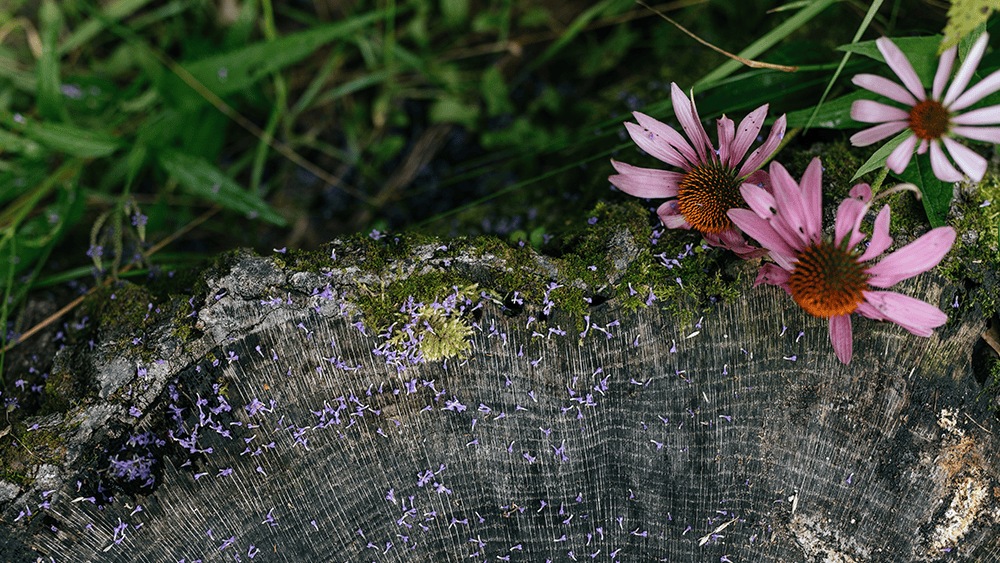
Wild ginger is a native perennial well-suited to deep-shade beds and woodland-style gardens. It is not a kitchen herb in the same way as parsley or cilantro. The root has a ginger-like aroma but is not typically used for cooking. Instead, it serves as a low-growing groundcover with heart-shaped leaves and small, hidden maroon flowers that appear near the base of the plant in spring.
Wild ginger spreads slowly through rhizomes and pairs well with ferns, trillium, bloodroot, and other native shade plants. If you are building a naturalistic shade garden, wild ginger adds texture and covers the ground without competing aggressively.
Raspberry and Blackberry Leaves
Raspberry and blackberry leaves have a long history in traditional herbalism and are often dried for teas. The plants themselves prefer some direct sun, but they can tolerate filtered light, especially along garden edges where they get morning sun and afternoon shade.
If you already grow raspberries or blackberries for fruit, the leaves are a bonus crop. Harvest young, tender leaves in late spring or early summer before they become tough or develop rust spots. Dry them thoroughly in a well-ventilated space and store them in airtight containers.
Designing a Shade Herb Garden
Once you know which herbs that grow in the shade will work for your space, the next step is deciding how to arrange them.
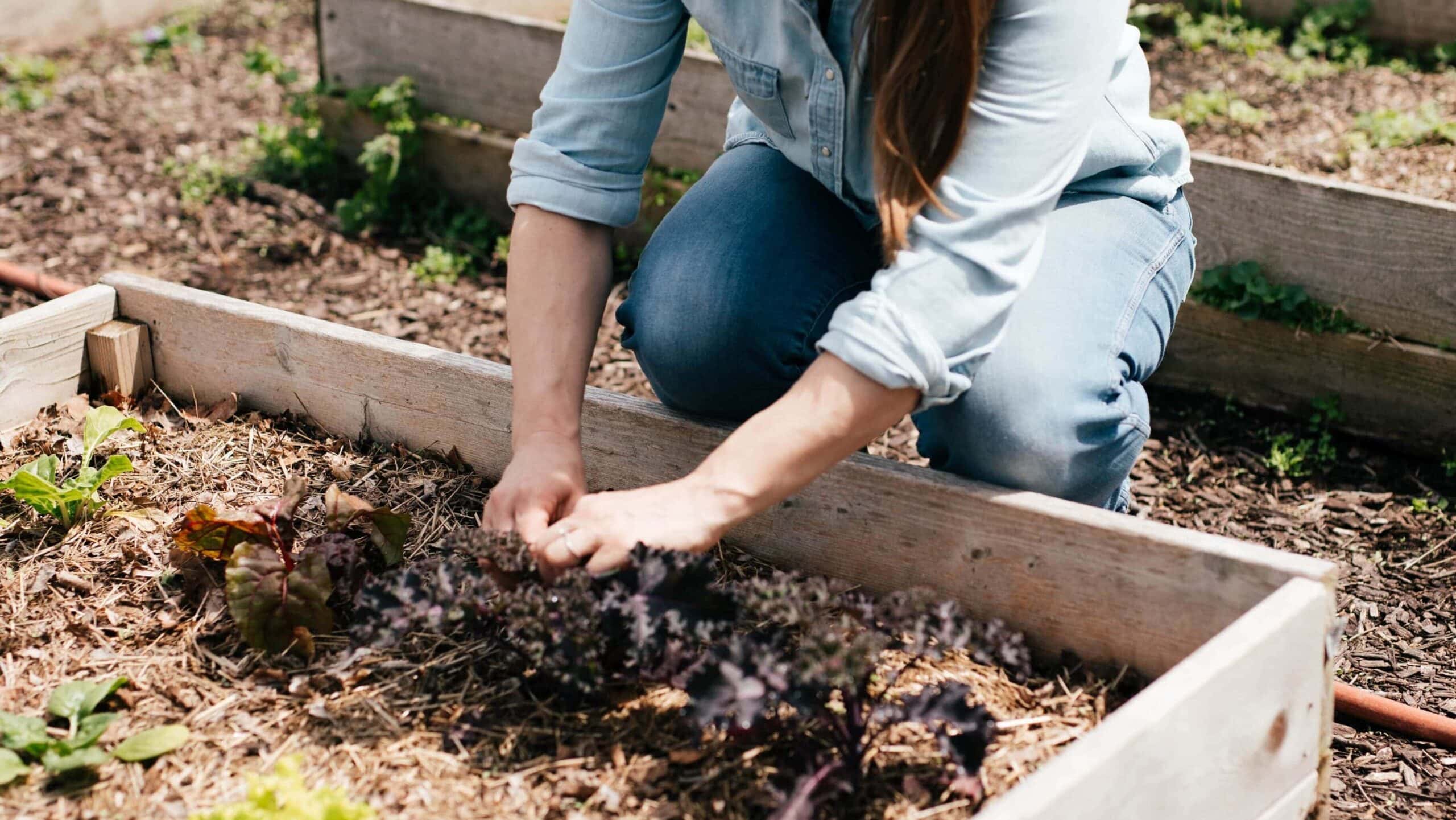
Containers are one of the easiest ways to start a shaded herb garden because they let you move plants as you learn the light. Group a few pots together on a shaded patio or porch where you can easily reach them for watering and harvesting. Mint, parsley, chives, and lemon balm all do well in containers and can be mixed or kept separate depending on your preference.
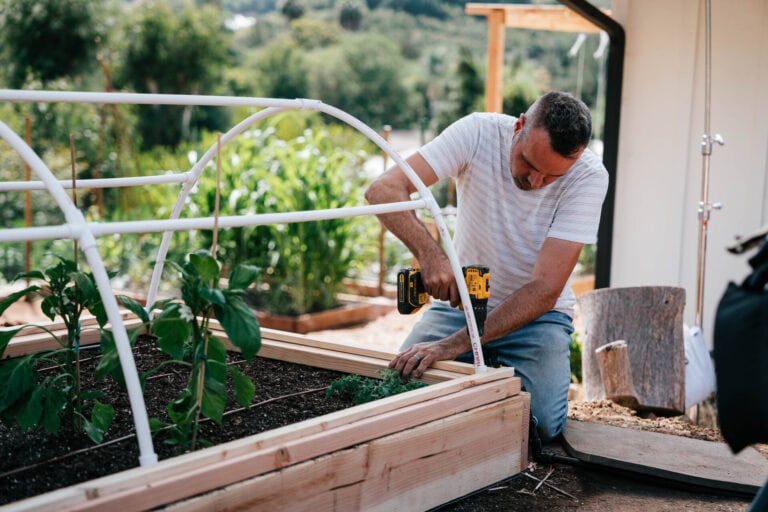
Raised beds work well along fences, walls, and shaded edges, especially where the sun shifts throughout the day. A raised bed on the north side of a house or garage may get enough indirect light to support partial shade herbs without ever receiving direct sun.
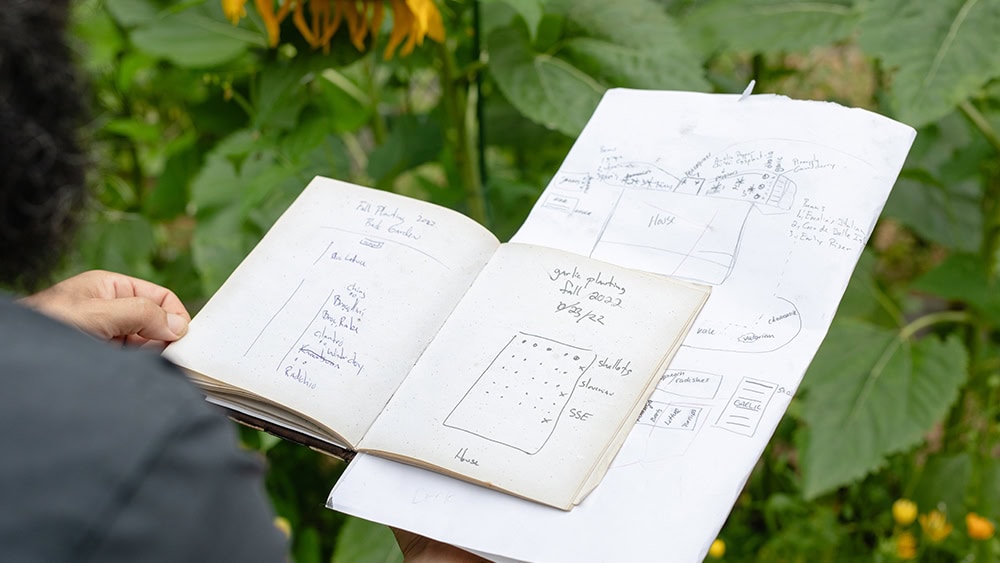
For a more natural look, consider a cottage-style layout with herbs, flowers, and other useful perennials growing together. Mix shade-tolerant herbs with ferns, hostas, astilbe, or native woodland plants to create a layered, textured planting. Just give shade-grown herbs extra space since shaded areas often stay damp longer, and wider spacing helps with airflow after rain, which reduces the risk of fungal problems.
Taller plants should not shade shorter plants that need whatever light is available. In the northern hemisphere, place shorter herbs to the south of taller plants so sunlight can reach them fully.
Soil and Watering for Growing Herbs in Shade
Shaded soil holds moisture longer than soil in full sun. That can help during hot weather, but it also means you should check the soil before watering. If it still feels damp an inch or two below the surface, wait. Overwatering is one of the most common mistakes in shade gardens, and consistently wet soil can lead to root rot and fungal issues.
For containers, choose pots with drainage holes and avoid letting them sit in standing water. Saucers are fine as long as you empty them after watering. Use a well-draining potting mix rather than garden soil, which tends to compact in containers and hold too much moisture.
Compost matters here. It builds living soil, improves structure, and gives roots a better place to grow, especially in lower-light areas where plants may grow more slowly. Work a few inches of finished compost into the top layer of soil each spring, or side-dress plants with compost during the growing season. Over time, this improves both drainage and moisture retention, which sounds contradictory but is exactly what healthy soil does.
Harvesting and Maintaining Shade Herbs
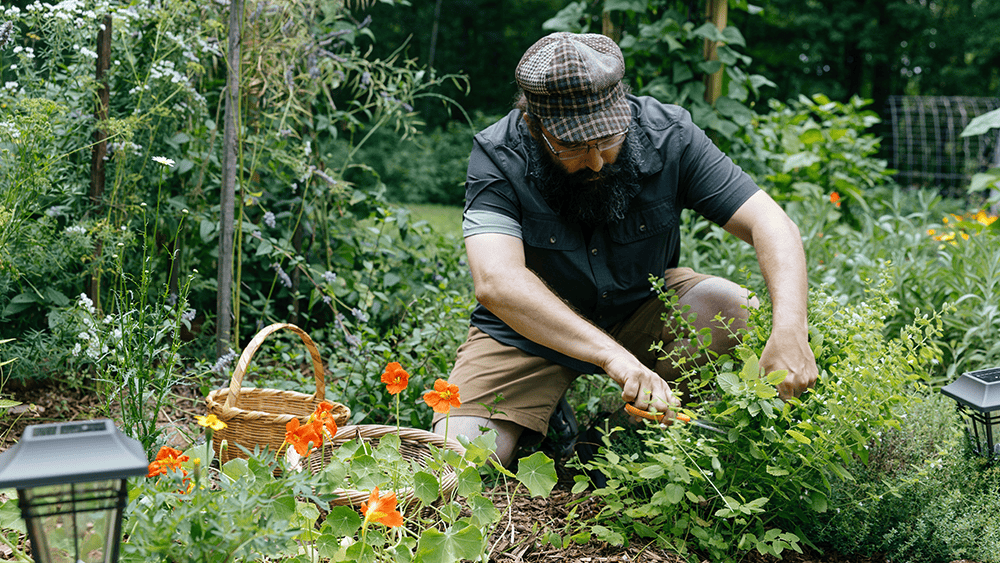
Herbs grown in shade often grow more slowly than herbs in full sun, so harvest lightly and regularly. Take a little from each plant, then give it time to recover. A good rule is to remove no more than one-third of the plant at a time during the active growing season.
Use clean, sharp scissors or pruning snips rather than pulling stems by hand. Tender shade-grown stems bruise easily, and a clean cut heals faster and is less stressful on the plant.
When drying herbs from a shaded garden, pay close attention to moisture levels. Leaves from cooler, damper spaces need a warm, well-ventilated drying area. Spread them out on screens or hang small bundles where air can circulate freely. Avoid drying herbs in direct sunlight, which can fade color and reduce flavor. Once fully dry, the leaves should crumble easily. Store them in airtight, food-grade containers away from direct light and heat.
One More Thing
Those darker corners of your garden may not suit every herb, but they can still grow something beautiful and useful. Start with a few of the best shade herbs like mint, lemon balm, parsley, chives, or cilantro, and allow those plants to teach you how to use the space. As your confidence grows, you can add more specialized woodland herbs, such as ginseng, goldenseal, or wild ginger, if your conditions support them.
Ready to build a thriving herb garden, no matter what light you have? Our Herb Gardening class at the School of Traditional Skills takes you beyond the basics. You'll learn how to assess your growing conditions, choose the right herbs for your space, build soil that supports healthy growth, and harvest and preserve your herbs for year-round use. Whether you're working with full sun, partial shade, or deep shade, you'll gain the skills to grow fresh herbs that actually thrive in your garden.
Herb Gardening
Grow your own fresh, flavorful herbs! In this class, you’ll learn how to select, plant, and care for a thriving herb garden, whether in pots or directly in the ground.