We’ve covered Doc Jones’s method for making tinctures in a previous post in this series. Now, he’ll be our guide as we delve into the world of brewing medicinal tea.
This is Article 4 in our Herbal Remedies at Home series with Doc Jones. Catch up on Medicinal Herbs: A Beginner's Guide, How to Make a Tincture, and Natural Herbal Remedies for Common Ailments. Ready to go deeper? Doc Jones teaches tea and tincture preparation in his Herbal Cold and Flu Remedies class at the School of Traditional Skills.
The Benefits of Herbal Tea
One of the greatest advantages of tinctures (besides their long shelf-life) is that they can help in a hurry because alcohol is absorbed quickly by our body. But if you’re just starting out with preparing your tincture, it needs 4–6 weeks of ‘processing time’ before it’s usable. Compare that to a tea that’s ready in just a few minutes, and requires nothing more than herbs, water, a mug, and a strainer.
If you need something today and your tincture isn’t ready, tea is the right choice. And this is where the small details matter, because the difference between a comforting cup of tea and a medicinal one comes down to how it's made.
The Difference Between a Beverage Tea and a Medicinal Tea
Most of us have grown accustomed to leaving mugs with a tea bag sitting open on the counter, but that doesn’t work for medicinal teas. The reason is that many of the most useful medicinal compounds in herbs are volatile oils, meaning they evaporate easily.
Pour boiling water over an herb and leave it uncovered, and those oils will escape with the steam and make your tea medicinally weaker than it could have been. Instead, cover the cup or pot while it steeps to trap those compounds in the water instead of releasing them into the kitchen air.
Thankfully, this one habit is easy to incorporate into the brewing process.
How to Make Herbal Tea
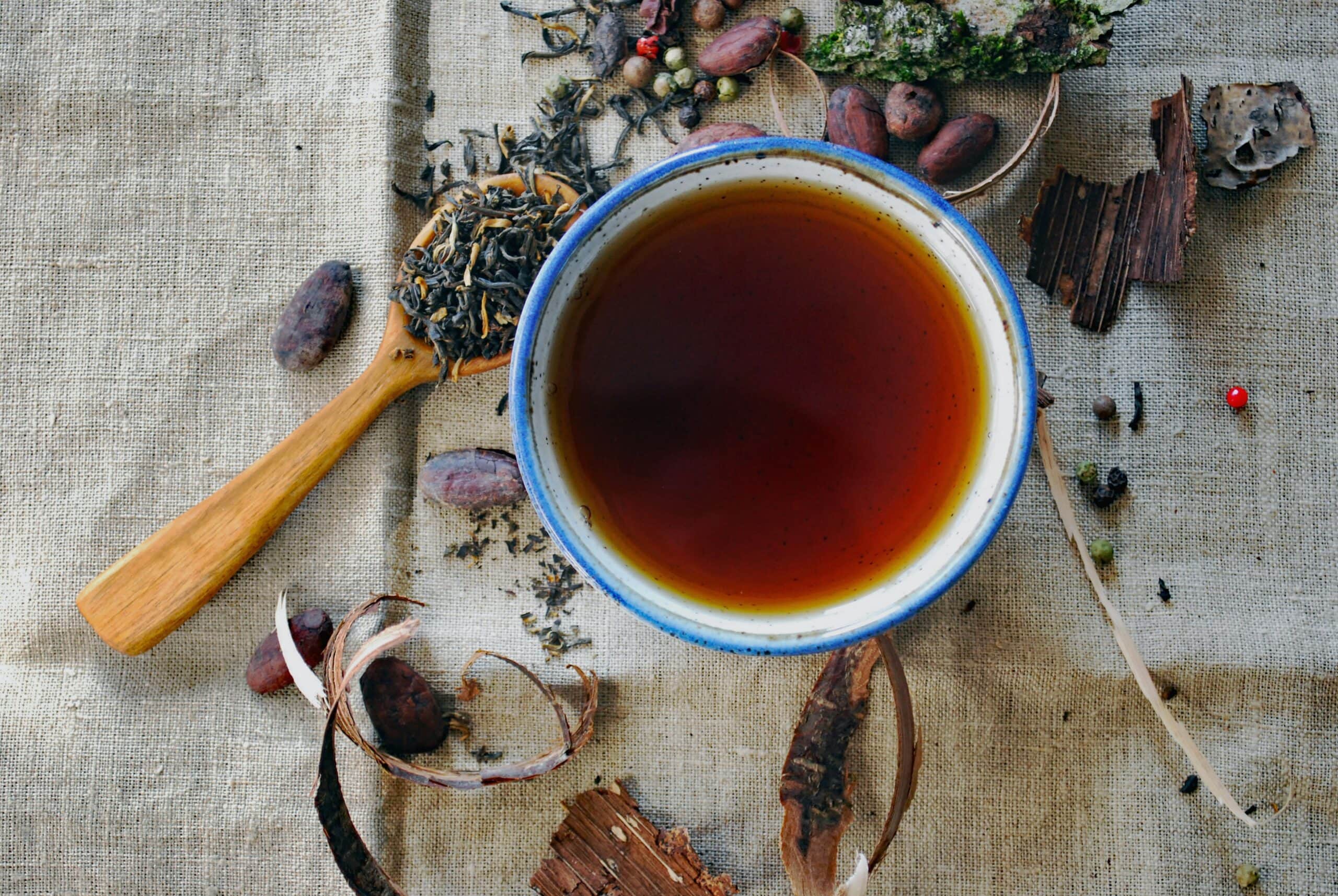
The steps to making a hot herbal tea are simple and straightforward. And if you’re wondering what herbs to use, fresh or dried, powdered or whole cut-and-sift, all work equally well.
1. Boil water, and gather your herb(s) while you wait. Once the water reaches a boil, take the boiling water off the heat and allow it to cool a little before adding the herbs – we’re not trying to boil the herb itself (known as a decoction).
2. The standard adult dose is about one to two teaspoons of dry herb per cup of water (1 oz/pint). If using fresh herbs, use two to three times as much, or 2–4 tsp/cup (2 oz/pint).
3. Add the herb to the hot water, cover, and let it steep until it’s cool enough to drink (somewhere between 10 and 20 minutes).
4. Strain through a clean cloth or sieve if you don't want plant material in your cup, or drink it as is.
5. Add honey or stevia to sweeten your tea, if you wish. To benefit from the nutritional and medicinal properties of raw honey, just make sure the tea is cool enough not to destroy the raw honey’s health-promoting enzymes.
Once made, teas have a shelf life in the fridge of two to three days.
When to Use a Cold Infusion Instead
While hot water is typical for most medicinal brews, there are certain herbs that should be prepared as a cold infusion.
Mucilaginous herbs like marshmallow root and slippery elm work by coating and soothing irritated tissue. Hot water breaks down the mucilage that makes them effective, so it’s recommended that these two herbs are taken as a cold infusion instead. The process may take a little longer, but it’s super easy: pour cold water over the dried root, cover it (a glass jar with a lid works great here), and let it steep for several hours or overnight in the fridge. This allows you to get the full soothing benefit from these two herbs.
Medicinal Tea vs. Tincture: How to Decide
As we’ve seen, tea is a phenomenal health beverage and the quintessential social drink, to boot, so there are few occasions when tea isn’t appropriate.
Tea works well when the herb tastes good and its warmth adds to the overall soothing effect (as in the case of colds, sore throats, and congestion). As Doc Jones puts in his Herbal Cold and Flu Remedies class,
“People like to drink a cup of tea if it's a nice tasting herb, right? For most things, a tea's a very familiar vehicle. People know about tea, they understand tea, they like tea, and so taking an herbal tea is often a very comforting, pleasant, happy, easy experience for them.”
Another point in favor of tea is that it’s ready in minutes, unlike a tincture that needs several weeks before it's usable.
On the flip side, a prepared tea keeps for only about 48 hours in the fridge, while a tincture lasts years on the shelf. So when you need something fast-acting in a concentrated dose, or want the peace of mind that comes with long-term storage, a tincture is the way to go. (If you didn’t already see it, we walk through how to make tinctures in a previous article.)
Herbal 1st Aid
Join clinical herbalist, naturopath and emergency veterinarian Dr. Patrick Jones from Homegrown Herbalist as he shows you how to treat minor injuries at home — or on your way to Urgent Care — with Herbal 1st Aid remedies.
Five Herbs Worth Keeping on Hand for Tea
If you’ve been following this series from the beginning, these five friends should already be familiar to you. These herbs are pleasant to drink and make for a nice (hot) tea.
Elderberry: With its mild, pleasant flavor, this is Doc Jones's top pick for respiratory illness. Not only does it steep well as a tea, but it’s also delicious as a syrup (see Doc’s Herbal Cold and Flu Remedies class for the full instructions on making kid-approved elderberry syrup).
Chamomile: This is a very calming, familiar herb. It’s gentle enough for kids, and is prized as a bedtime or wind-down tea.
Peppermint: This herb is known to help settle the stomach. It has a pleasant flavor that can mask stronger, more bitter herbs included in the same tea blend.
Echinacea: Best started at the first sign of illness, this herb is immune-stimulating and is often found in herbal tea mixes for colds and flu.
Ginger: Last but not least, this warming root pairs well with lemon and honey and can help soothe sore throats and settle nausea.
Commonly Asked Questions About Making Herbal Tea
Store it in the fridge and use it within 48 hours. If you strain out the plant material, it keeps a bit longer, closer to a week.
No. A cup or pot, hot water, and something to cover it with (a small tea saucer is our go-to) are all you need. A clean cloth or handkerchief works fine if you want to strain it and don’t have a sieve on hand.
Yes. Most of the herbs Doc Jones teaches work for either preparation. Tea gives you a fast, pleasant remedy that you make as needed, while a tincture is a shelf-stable option that lasts for years.
Many of the medicinal compounds in herbs are volatile oils that evaporate with steam. Covering the cup or pot keeps those compounds in the water (so you can eventually ingest them) instead of releasing them into the air.
It’s both. Properly steeped and covered, a tea delivers real medicinal compounds, not just warmth and flavor. The covering step is the key that makes all the difference.
One More Thing
Tea is a medicinal and culinary masterpiece, and the person who’s willing to sample different blends is likely to be richly rewarded.
Your homework for this week: brew some tea and discover one you like. The simplest option is to pick one herb, like elderberry or chamomile, and try it out for your first medicinal cup.
If you’re feeling extra adventurous, try blending your own tea mix. All you need is dehydrated herbs, fruits, any other seasonings you wish to add, a basic understanding of the flavor profiles you’re working with, and a willingness to keep trying until you like the results you get. If you have other people around who are willing to help you taste test, that’s an added bonus and makes tea blending a memorable experience.
And of course, remember to cover your tea while it steeps to preserve all that medicinal goodness!
Between tea, tinctures, and topical applications, you now have all three of the basic herbal delivery methods Doc Jones teaches in his classes, plus specific remedies for the ailments families run into most often. If you want all his tips for how to use and dose over 20 powerful medicinal herbs, see Doc’s Herbal Cold and Flu Remedies class and Herbal First Aid class at the School of Traditional Skills.
Herbal 1st Aid
Join clinical herbalist, naturopath and emergency veterinarian Dr. Patrick Jones from Homegrown Herbalist as he shows you how to treat minor injuries at home — or on your way to Urgent Care — with Herbal 1st Aid remedies.
Dr. Patrick Jones, better known as Doc Jones, is the founder of the HomeGrown Herbalist School of Botanical Medicine. He has practiced as a veterinarian for over 25 years and works as a clinical herbalist and traditional naturopath. Doc Jones has treated gangrene, rattlesnake bites, gunshot wounds, sepsis, and countless acute cases using herbal medicine alongside conventional care. His approach is both deeply practical and medically grounded, and he teaches tea, tincture, and topical preparation at the School of Traditional Skills through his Herbal First Aid and Herbal Cold and Flu Remedies classes.
Disclaimer: The information in this article is for educational purposes only. It is not medical advice, and it is not a substitute for the guidance of a qualified healthcare provider. Nothing here should be used to diagnose, treat, or replace care for any medical condition. If you are pregnant, nursing, taking prescription medications, or dealing with a serious or worsening health situation, consult a knowledgeable healthcare provider before using any herbal remedy. School of Traditional Skills is not responsible for any outcomes resulting from the use of information in this article. Use good judgment. Seek professional help when you need it.