There are a few ways of making one, and each herbalist has their favorite way of doing it. In this article, we’ll dive into Doc Jones’ simple “folk” method – dried herbs, vodka or grain alcohol, a jar, and a few weeks’ time. It’s genuinely as simple as it sounds. By the end, you’ll be ready to make your own first aid or immune-boosting herbal tincture.
This is part of our Herbal Remedies at Home series with Doc Jones. Also in the series: Medicinal Herbs: A Beginner's Guide | Herbal Remedies for Headaches, Sore Throats, and Pain. Doc Jones teaches tincture-making in depth in both his Herbal First Aid and Herbal Cold and Flu Remedies classes.
What is an Herbal Tincture?
An herbal tincture is an alcohol extract of an herb. The alcohol draws out the herb's active compounds and preserves them for years.
As we said in the last article, a tincture is one of several forms for taking herbs into the body. But tinctures have a place in our medicine cabinet because they have three distinct advantages:
- They get absorbed into the tissue much faster. Doc Jones favors them for acute situations when the patient needs the medicine to work quickly.
- Another advantage of tinctures is their shelf life. A well-made tincture can last many years, unlike a prepared tea, which lasts about 48 hours in the fridge.
- For herbs that taste bad, a tincture dose in a small amount of water goes down easier than a full cup of tea.
Tinctures work for a variety of cases, from healing and managing infections to treating pain and washing wounds, and can be used both topically and internally. If you’re pregnant, breastfeeding, or on pharmaceuticals, using a tincture topically instead of internally can reduce the risk of unintended negative side effects or interactions.
What You Need Before You Start
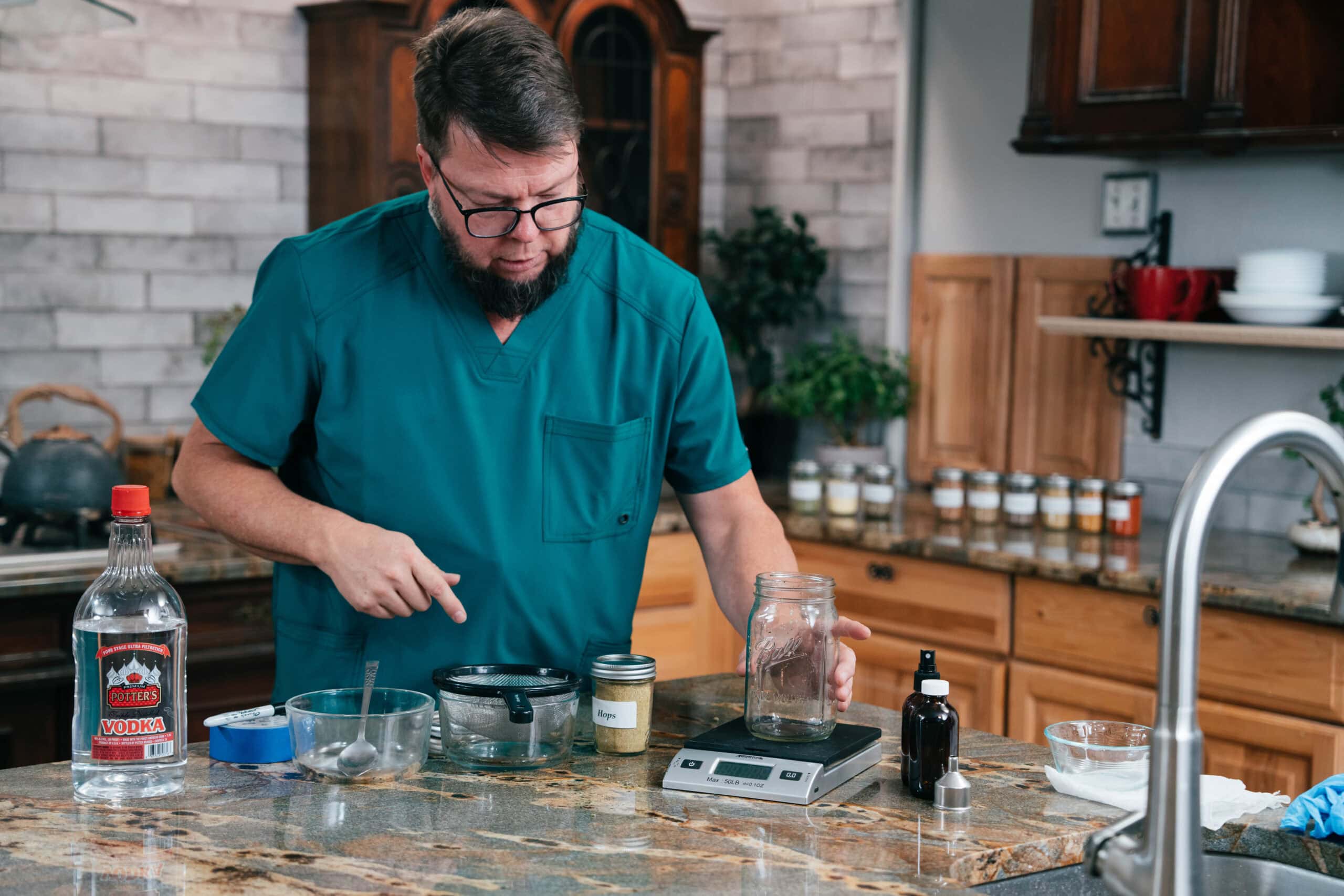
Doc Jones teases in his Herbal Cold and Flu class that the supply list is “pretty high tech,” but that’s just his refreshing way of saying no special equipment is needed – no special tincture presses, no precise measuring tools, and no fancy or expensive alcohol.
What You Need:
Dried Herbs
If not dried yourself from your garden, they can be purchased from a reputable supplier that’s selling herbs for medicinal, not simply culinary, uses. Organic is preferable.
Note: Doc Jones almost always uses dried herbs for tinctures. Fresh herbs contain water that could dilute the alcohol to a point where it may not preserve properly.
80-Proof Vodka or Grain Alcohol
Doc Jones uses vodka for most tinctures. Vodka works well for home tinctures; higher-proof grain alcohol pulls out a wider range of compounds, but is not necessary for beginners.
Note: We will use the word “alcohol” several times when discussing tinctures. Please know that this means liquor. Do not ever drink rubbing alcohol, which is a deadly poison. It must be a beverage alcohol that’s 80-100 proof. (Doc Jones explains why this range is the sweet spot for tinctures in both of his classes at the School of Traditional Skills.)
A Clean Glass Jar With a Lid
A quart mason jar is a good size. Choose regular (clear) glass since you’ll store it in a cool, dark place (like behind a closed cabinet door) while the alcohol extracts the medicinal compounds from the herbs.
Strainer
A tool for straining out the herbs, be it a fine mesh strainer, cheesecloth, or coffee filter.
Storage Bottles
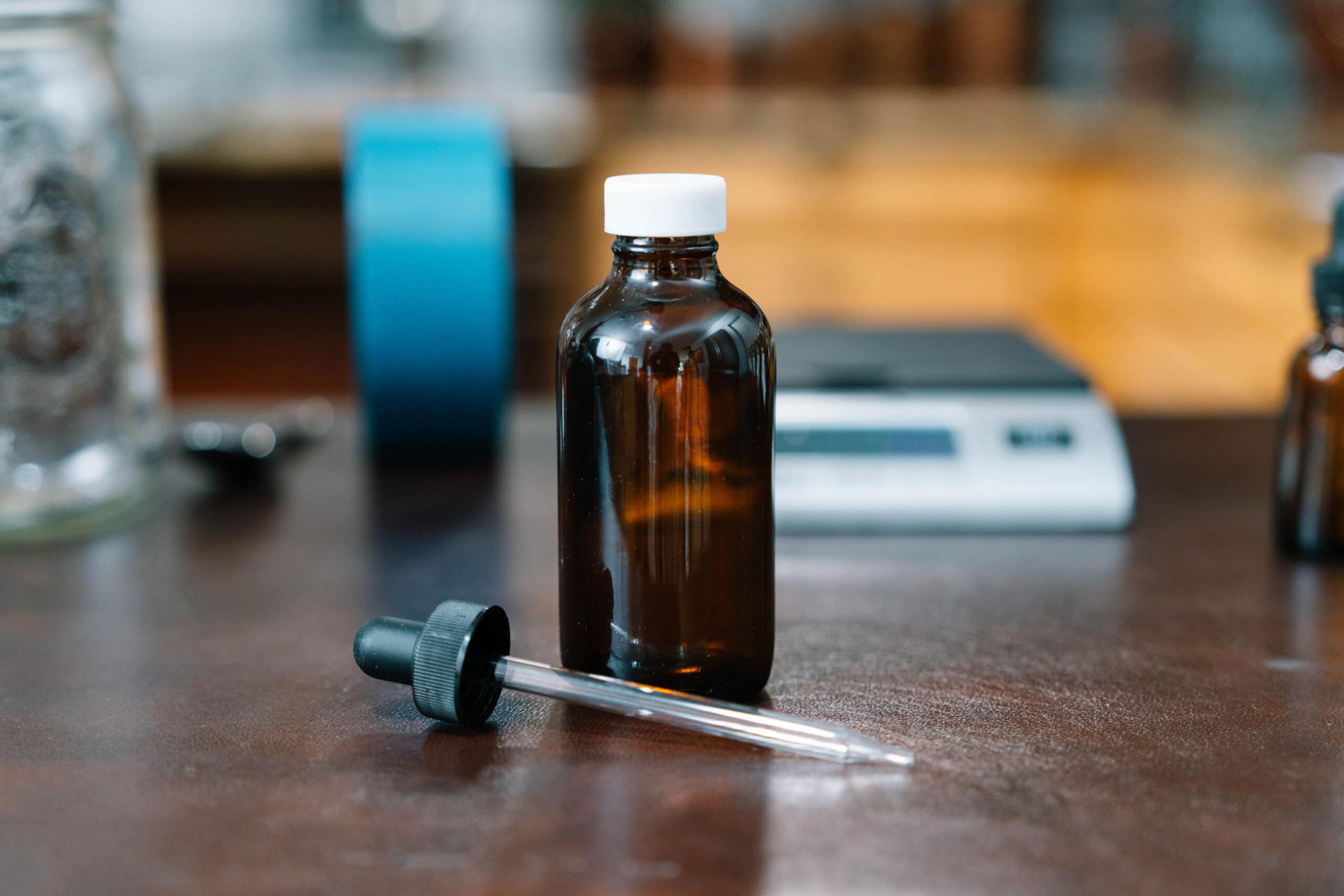
Small dark glass bottles with optional dropper lids for storage. Amber bottles are ideal as light degrades tinctures over time, but if you don’t have any on hand and you’re ready to get started today, don’t let that stop you!
Labels and a Marker
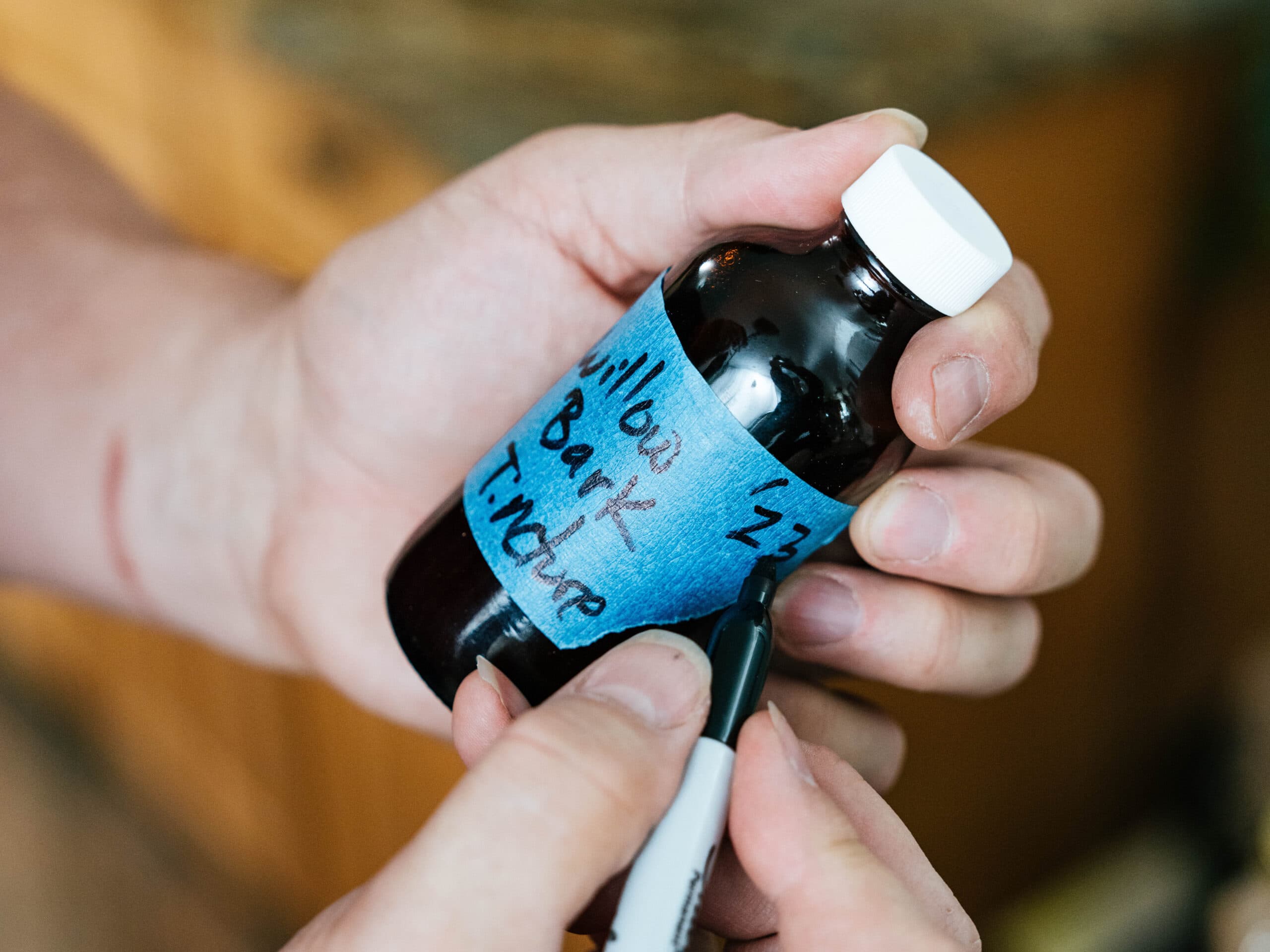
Don’t leave this step until later because you may forget, and then you’ll be kicking yourself. All tinctures look more or less the same when stored in amber bottles.
If you’re ready to start gathering supplies, take a look at Doc Jones's Herbal Cold and Flu Remedies class, which includes a skill sheet with a full supplies list and links to everything you need.
The Folk Method: Step by Step
This method is so simple, you’ll be shocked (in a happy way, of course).
Step 1: Choose Your Herb and Fill the Jar
Take your dried herbs (not fresh, as we discussed above) and fill a clean glass jar loosely with them. No need to pack these in. If you're making a combination tincture with multiple herbs, add them in the proportions you want – just eyeball it.
Step 2: Cover with Alcohol
Pour vodka or grain alcohol over the herbs until all plant material is fully submerged with about an inch (2.5 cm) of liquid above the herbs. Shake the jar gently to remove air pockets.
Step 3: Seal, Label, and Wait
Seal the jar tightly and label it with: herb name(s), date started, and alcohol used. Store in a cool, dark place for 4–6 weeks, shaking daily (or as often as you remember). It helps to stick it in a cupboard that you’re walking past multiple times a day, as that will jog your memory.
Step 4: Strain and Bottle
After 4–6 weeks, strain through cheesecloth or a fine strainer, squeezing all the liquid from the herb material (you don’t want to waste any of that medicinal goodness!). Pour into labeled dark glass bottles with optional dropper tops for long-term storage. The finished tincture keeps for years stored in a cool, dark location.
Dosing Guidance from Doc Jones:
Taking herbs is not like popping pills, where often one pill suffices for the day. Herbs need to be taken frequently, and the more serious the condition, the more often you should use them.
For maintenance or routine issues, 2–3 times daily.
For an acute infection, pain, or active illness, 3–6 times daily.
A standard dose is typically 1–2 droppers (about 1–2 mL) per dose, though this varies by herb and the weight of the individual taking the herbs.
Herbal 1st Aid
Join clinical herbalist, naturopath and emergency veterinarian Dr. Patrick Jones from Homegrown Herbalist as he shows you how to treat minor injuries at home — or on your way to Urgent Care — with Herbal 1st Aid remedies.
Tincture vs. Tea: Which Should You Make?
Teas are very familiar and comforting, but there are situations that call for a tincture. Let’s explore when tinctures are preferable.
Use a Tincture When:
- You need the herb to work quickly (for example, an acute infection or active, intense pain)
- You want a long shelf life (years vs. 48 hours for tea)
- The herb tastes bad or you want a concentrated dose without drinking a full cup of liquid
- You're making the remedy in advance and want it to be shelf-stable
For topical use — as with wounds, bites, or skin inflammation — Doc Jones often dilutes a tincture with water to create a wash, or applies a poultice of the fresh or dried herb directly. A tincture of plantain, for example, can be diluted with water and used to wash a wound or bite (which Doc Jones covers in his Herbal First Aid class).
Use a Tea (Infusion) When:
- The herb is flavorful and enjoyable as a drink (think chamomile, elderberry, or peppermint)
- The soothing quality of a hot drink is part of the remedy (as with a sore throat or congestion)
- You want to take something right now rather than waiting 4–6 weeks (assuming you don’t have the tincture already prepared)
Your First Tincture: What to Make
Whether you’re looking for anti-inflammatory herbs, naturally antibiotic herbs, or wound healing herbs, we’ve got you covered. Here’s a list of three multi-use herbs that will all produce a great tincture, and two of which can provide you with natural immune support. Calendula tincture in particular is Doc Jones's most recommended herb, in part because it’s so easy to source and grow.
Best Tinctures to Start With:
Calendula
This herb is antibiotic, anti-inflammatory, and wound healing. It’s the most versatile first tincture you can make because it’s useful for wound washing and skin inflammation, but also provides immune support. (We talked about calendula in a little more detail in our introductory article of this herbal remedies series.)
Plantain
For those of you in North America, this easy-to-find herb grows wild in most yards and is free to harvest. It’s an antibiotic, drawing herb, which makes it great for bites, stings, and even splinters.
Echinacea
This is an immune stimulant and herbal antiviral that you often find in tea blends as well as cough and cold remedies. Make this tincture in late summer before cold season, and use it for the first few days of illness. It’s also highly antibacterial, and useful as a wound wash.
Once you have one tincture on the shelf, you have the skill. Every tincture after that is just adding a different herb and jar to the medicine cabinet, strengthening your resilience and confidence to face whatever life throws at you.
Doc Jones walks through tincture-making on video in Herbal Cold and Flu Remedies, including how to store, label, and dose. If you’re the type that really benefits from watching a friendly mentor show you the ropes on a new-to-you skill, then this class was made for you.
Commonly Asked Questions About Making Tinctures
Active prep time is about 10 minutes: you fill a jar, cover with alcohol, seal it, and label it. That’s it. Wait time is 4–6 weeks before straining.
If you need a tincture sooner, some herbalists use a warm-heat extraction method, though Doc Jones uses the standard cold-extraction folk method.
A properly made tincture (using dried herbs and sufficient alcohol coverage) lasts for many years when stored in a cool, dark location. This is one of the key advantages tinctures have over teas, which only keep up to 48 hours in the fridge. Be sure to label your bottles with the date made so you can track their age.
80-proof vodka (40% alcohol) works for most herbs using Doc’s folk method, and this is what he most often uses for his tinctures. Higher-proof grain alcohol extracts a broader range of compounds and is preferred by some herbalists for particularly resinous herbs like rosemary, thyme, and pine needles.
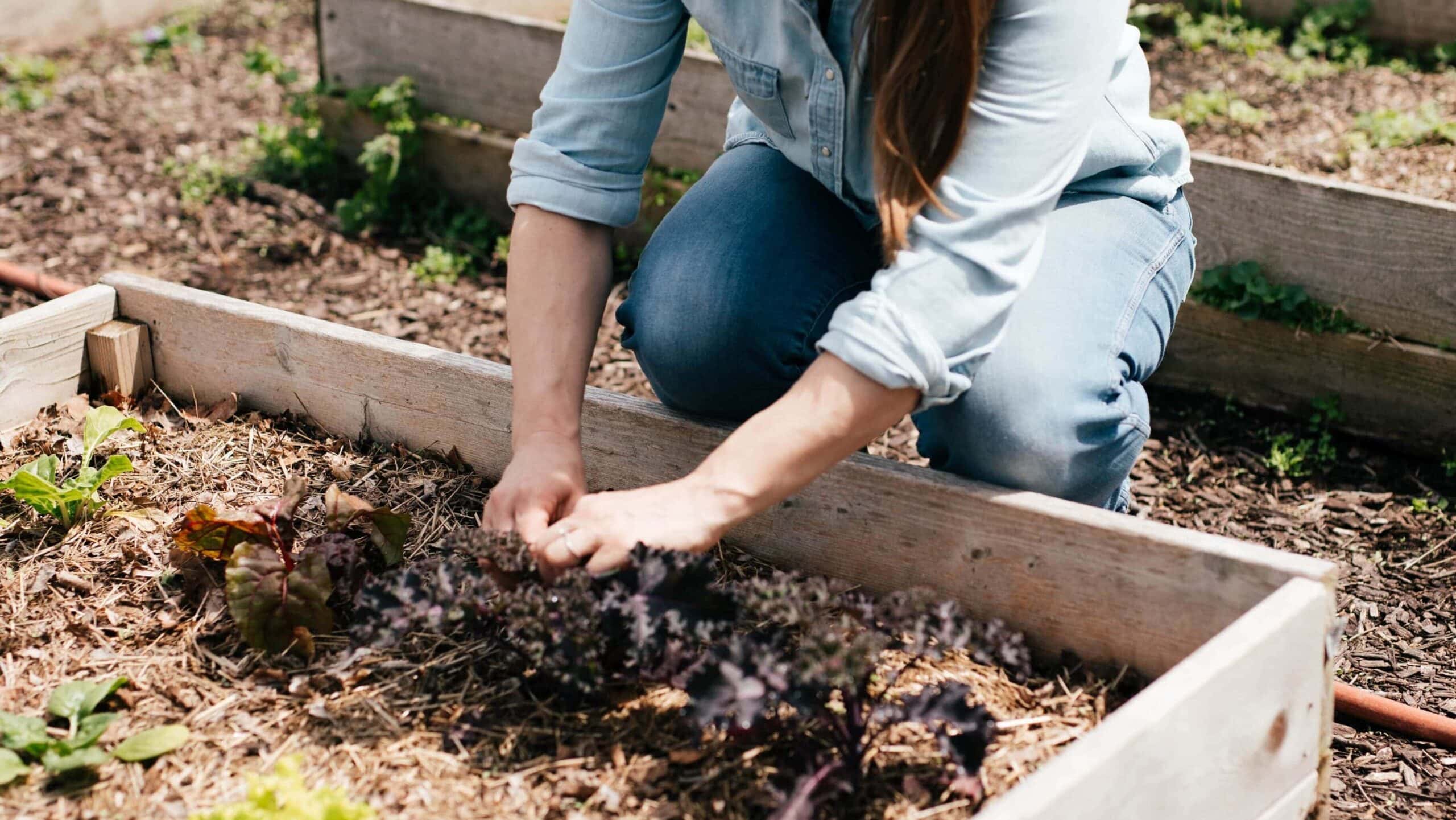
Yes! Just remember that Doc Jones recommends using dried herbs rather than fresh to avoid diluting the alcohol with plant moisture. Dry your harvested herbs thoroughly by hanging bunches in a warm, dry, ventilated space for 1–2 weeks before making tinctures. Growing your own herbs is one of the most self-sufficient things you can do for your herbal medicine practice (and you can learn more about this topic in the School of Traditional Skills Herb Gardening class with Bevin Cohen).
Herbs and pharmaceutical drugs can interact, and sometimes those interactions can be serious and harmful. Doc Jones is direct about this: don't mix herbs with pharmaceuticals without consulting someone who understands both. Always inform your prescribing doctor about any herbal supplements or tinctures you're taking regularly.
One More Thing
With few exceptions, many basic and advanced medicines can be made at home with herbs and “weeds” from your backyard (or purchased from reliable sources). Plus, many herbs can do the job more effectively than conventional medicines, as we’ve discussed before. Not only can the medicines themselves help treat and heal common injuries and illnesses, but they can even save the day in hairier situations that ordinarily might call for an Emergency Room trip.
Without a doubt, when there’s true urgency, what you want is a tincture handy. A tincture made today is ready to use in six weeks, which means now is the right time to start the process. Imagine the satisfaction you’ll feel knowing you’ve got homemade calendula tincture (for instance) sitting on your shelf, ready for when you need a wound wash or an anti-inflammatory stat.
The next post in this series covers which tinctures and herbs to reach for when headaches, sore throats, bites, and pain show up.
Disclaimer: The information in this article is for educational purposes only. It is not medical advice, and it is not a substitute for the guidance of a qualified healthcare provider. Nothing here should be used to diagnose, treat, or replace care for any medical condition. If you are pregnant, nursing, taking prescription medications, or dealing with a serious or worsening health situation, consult a knowledgeable healthcare provider before using any herbal remedy. School of Traditional Skills is not responsible for any outcomes resulting from the use of information in this article.
Herbal 1st Aid
Join clinical herbalist, naturopath and emergency veterinarian Dr. Patrick Jones from Homegrown Herbalist as he shows you how to treat minor injuries at home — or on your way to Urgent Care — with Herbal 1st Aid remedies.
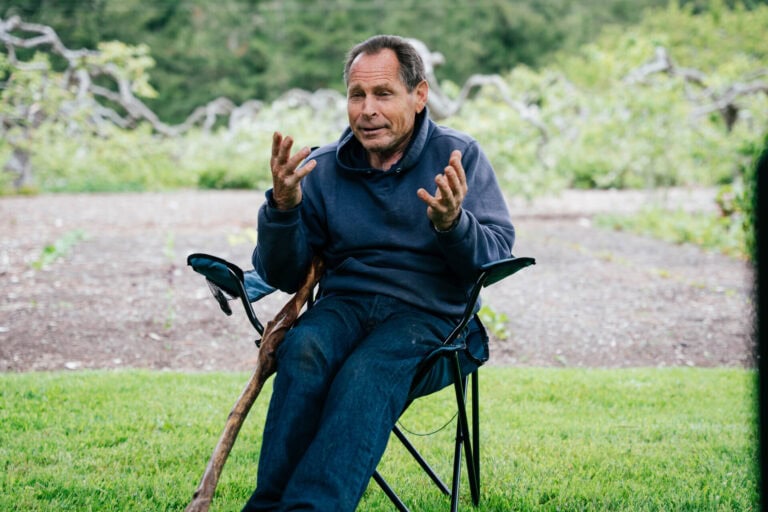
Doc Jones didn't come to herbal medicine through a wellness trend. He came to it through the back door of an emergency. The cases he faced were ones most herbalists never see: gangrene, rattlesnake bites, massive hemorrhage, sepsis, and brain trauma. Over 25 years as a practicing veterinarian, he found that medicinal plants, used correctly, often outperformed pharmaceuticals in ways that surprised even him. Today he teaches at the HomeGrown Herbalist School of Botanical Medicine and instructs at School of Traditional Skills, where his classes on herbal first aid and cold and flu remedies have helped thousands of families build confidence with plant medicine at home.