Cilantro is a fast-growing annual herb that gives you two useful harvests from one plant. The fresh leaves brighten salsa, soups, tacos, curries, and salads. The dried seeds, called coriander, go straight into the spice cabinet.
Once you understand how cilantro grows, planting cilantro successfully becomes straightforward. Plant it in the right season, harvest it while the leaves are tender, and let a few plants finish their cycle if you want coriander seed later on.
Understanding Cilantro's Growing Needs
Before you plant, it helps to know what you are working with.
Cilantro is an annual herb. It grows, flowers, sets seed, and completes its lifecycle in one season. Unlike perennials that return year after year, each cilantro plant has a defined window, and understanding that window is essential.
Cilantro grows best in cool temperatures between 50-70°F (10-21°C). When temperatures exceed 75°F (24°C), the plant redirects carbohydrate allocation from vegetative to reproductive growth. This shift is called bolting, triggered primarily by increasing day length and heat stress.
Cilantro prefers full sun but tolerates partial shade, which provides more flexibility than you might expect. A spot with morning sun and some afternoon shade slows bolting once temperatures climb.
Choosing the Right Garden Location
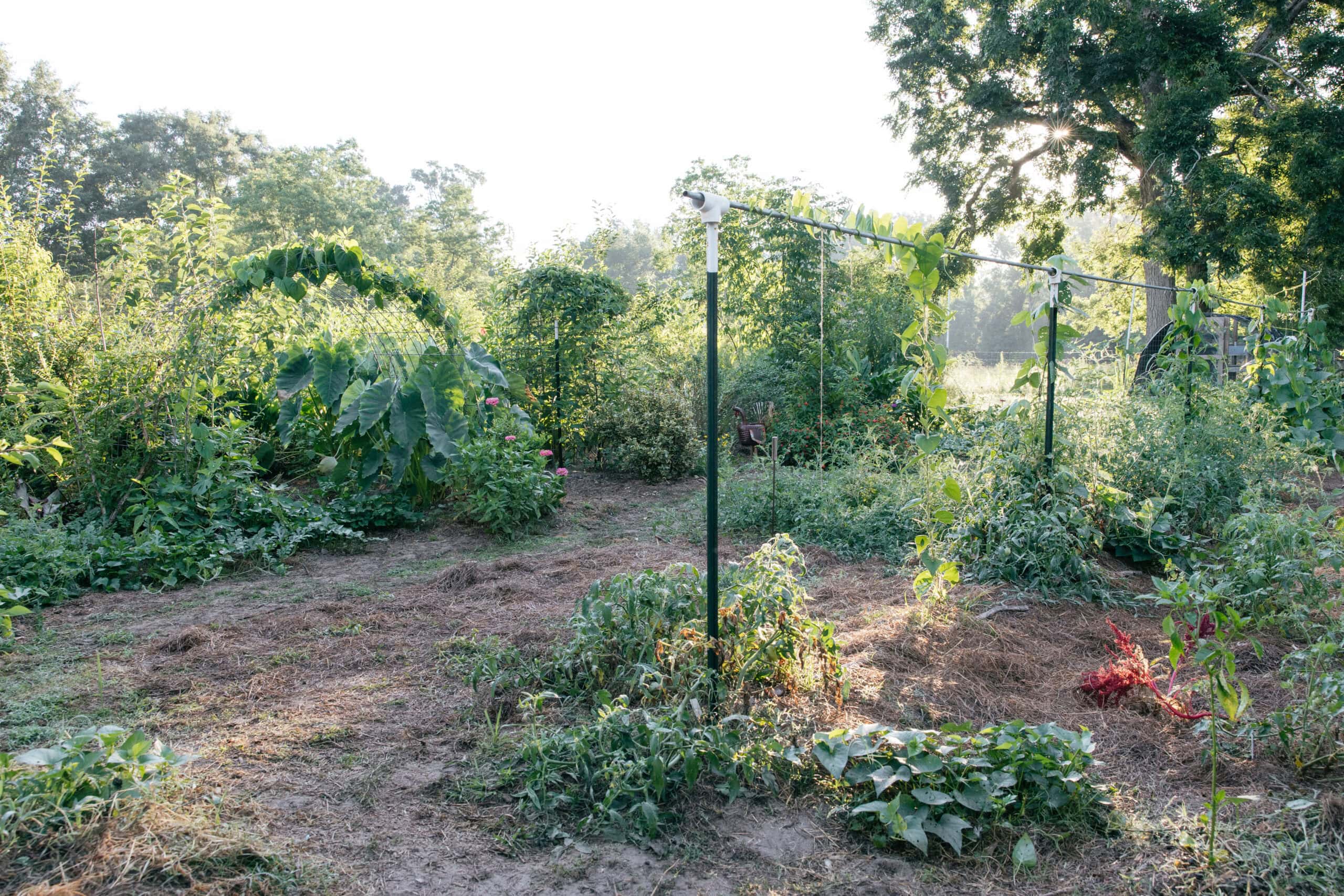
Plant cilantro somewhere you pass by every day. When it is close to the kitchen, a walkway, or a spot you already visit regularly, you are more likely to harvest often, notice when it needs water, and catch the early signs of bolting before it gets ahead of you.
Look for a spot with healthy soil, moderate fertility, and good drainage. Cilantro does not need a heavily amended bed, but it does need water to move through freely. Morning sun with some afternoon shade is a good combination if your summers warm up quickly.
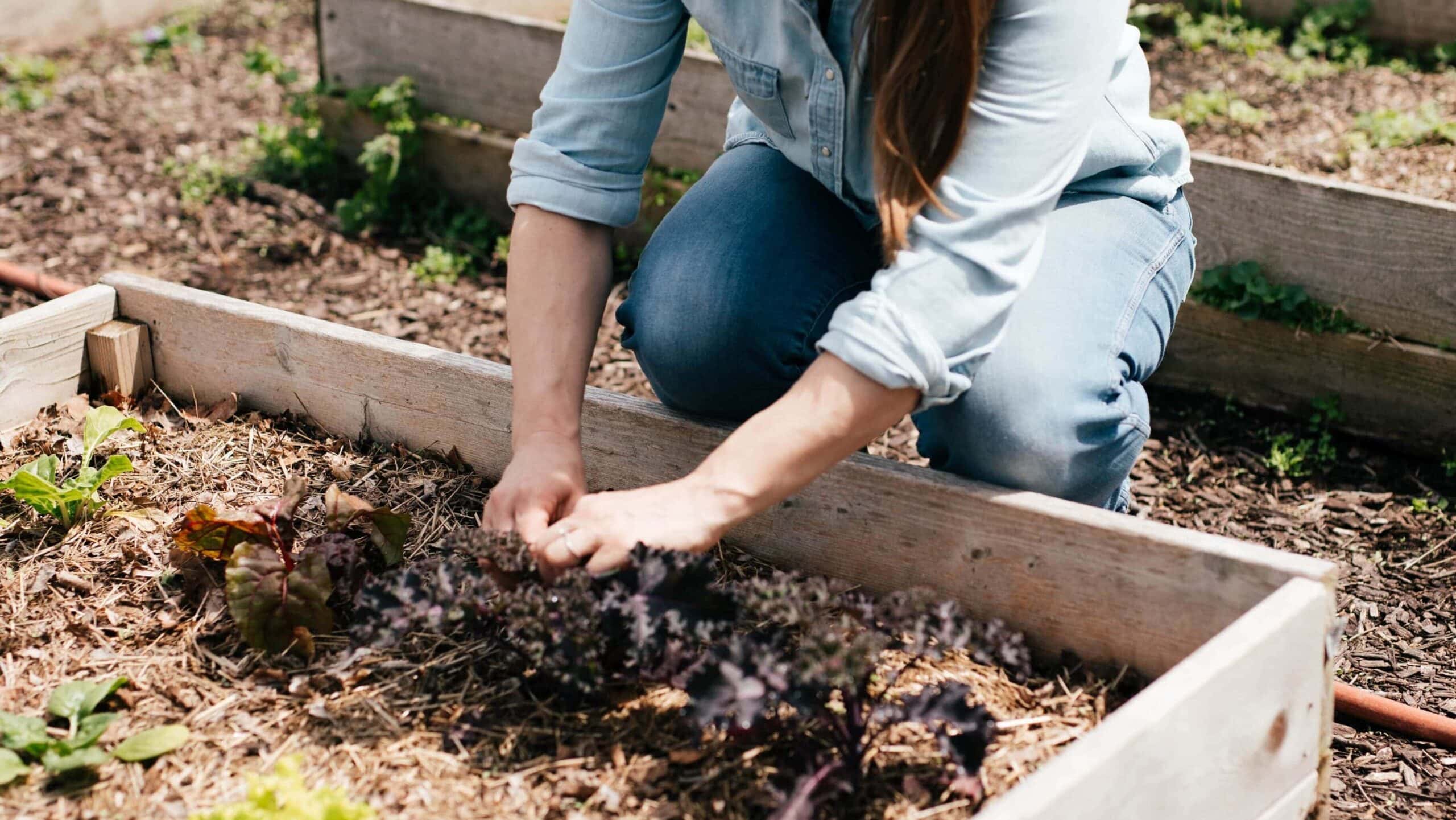
Cilantro grows well in raised beds and containers, but in-ground planting gives the roots more room to develop and makes it easier to let some plants go to full seed at the end of the season. If harvesting coriander seed is part of your plan, in-ground planting is worth considering.
Preparing the Soil for Cilantro Seeds
Cilantro grows best in living, well-draining soil that holds moisture without staying soggy.
Before sowing, work compost or well-aged organic matter into the bed. This supports soil life and gives young roots a steady place to begin. A simple, well-prepared bed is enough. Cilantro does not need heavy fertility to grow well.
If your soil is compacted or heavy with clay, loosen it gently before sowing and work in compost to improve drainage. The goal is not to make the bed perfect. The goal is to create a place where young roots can move through the soil and reach what they need.
When to Plant Cilantro Seeds
Plant in early spring once the soil can be worked, and again in late summer or early fall for a fall harvest. Avoid mid-summer planting unless you can provide shade and consistent moisture. Seedlings started in hot weather often bolt within weeks.
Spring planting targets cooler temperatures before day length triggers bolting. Fall planting takes advantage of shortening days and cooling temperatures, which favor leaf production over flowering.
Starting Cilantro from Seed
Cilantro performs best when directly sown in the garden. It produces a taproot early in development and does not transplant well once established. Taproot disruption causes transplant shock and premature bolting, so plant it where you want it to grow.
One of the most effective cilantro strategies is succession planting. Instead of sowing everything at once, plant a small amount every 2 to 3 weeks during cool weather. If one planting bolts, the next one is already coming along.
Consider slow-bolt cultivars such as ‘Calypso', ‘Leisure', or ‘Slow Bolt' for extended harvests in variable spring weather. Standard cultivars bolt quickly once temperatures rise.
Planting Depth and Spacing
| Measurement | Range |
| Planting depth | 1/4 to 1/2 inch (0.6 to 1.3 cm) |
| Seed spacing | 1 to 2 inches (2.5 to 5.1 cm) |
| Row spacing | 6 to 12 inches (15.2 to 30.5 cm) |
| Final plant spacing (after thinning) | 4 to 6 inches (10.2 to 15.2 cm) |
How to Plant the Seeds
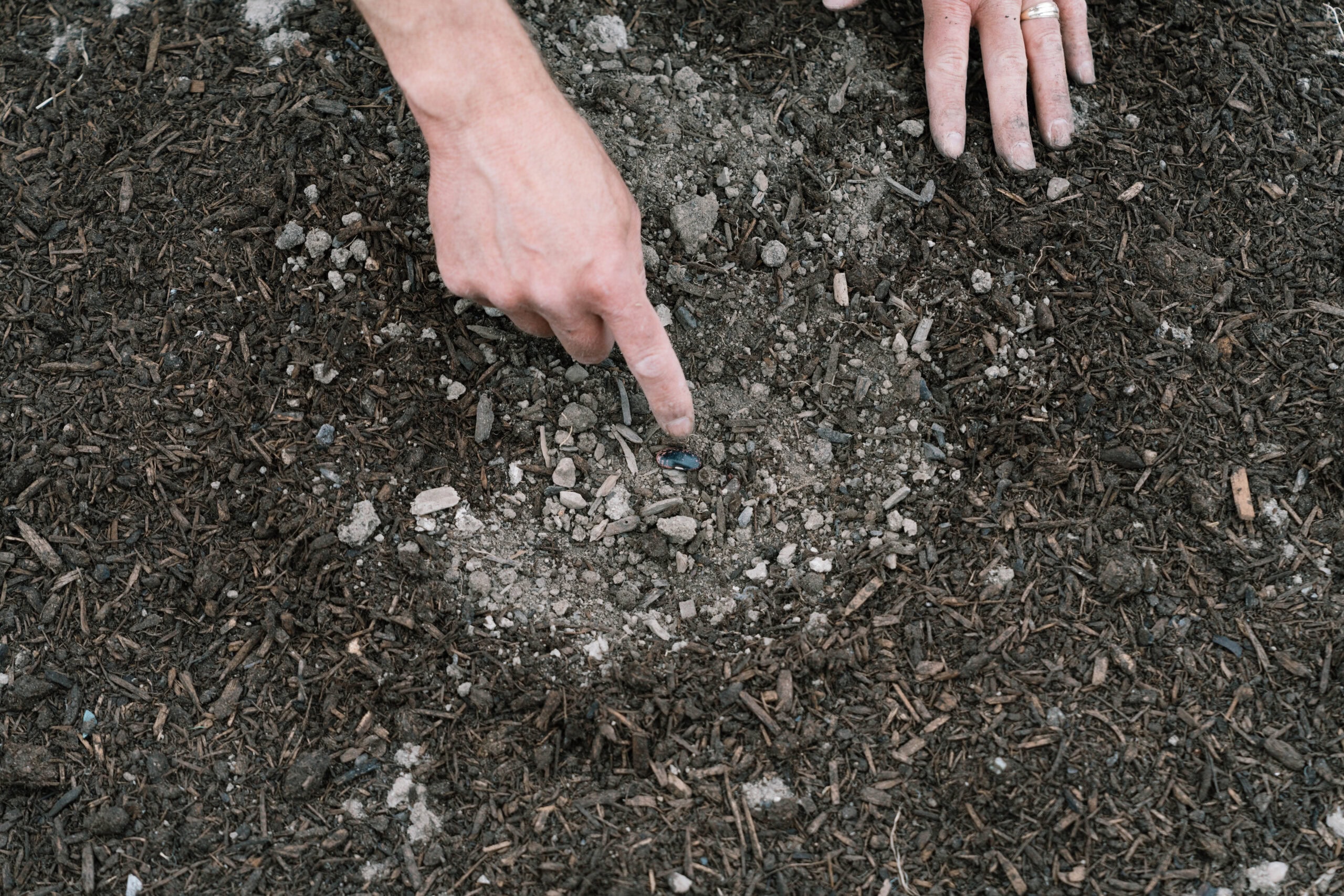
- Sow seeds about 1/4 to 1/2 inch (0.6 to 1.3 cm) deep.
- Space seeds about 1 to 2 inches (2.5 to 5.1 cm) apart.
- Leave about 6 to 12 inches (15.2 to 30.5 cm) between rows.
- Cover lightly with soil and water gently.
Keep the soil evenly moist until the seeds germinate in about 7-10 days. A gentle watering will prevent flooding the bed and displacing the seeds.
Caring for Cilantro Seedlings
When seedlings reach a few inches tall, thin them to about 4 to 6 inches (10.2 to 15.2 cm) apart. This gives each plant enough airflow and space without competing too heavily for moisture.
Maintain consistent soil moisture, especially during dry or warm spells. Cilantro does not tolerate waterlogged conditions, but it struggles when soil dries excessively between waterings.
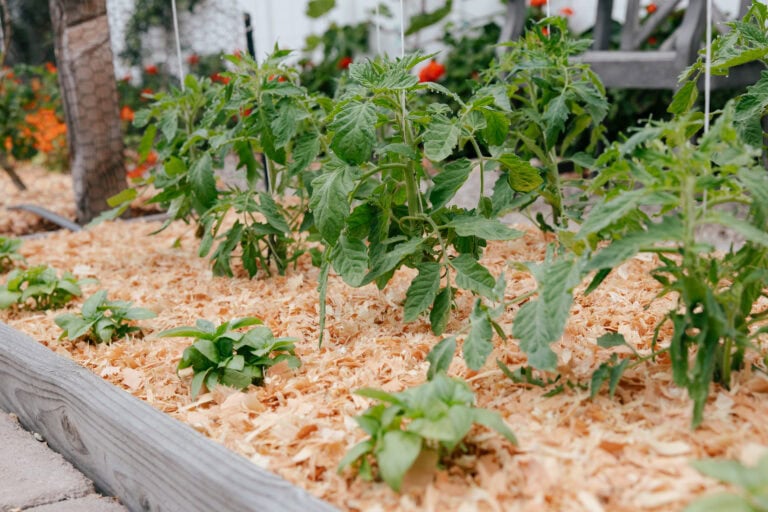
A light layer of mulch protects the soil surface and prevents crusting. Keep it thin around small seedlings to allow airflow.
As temperatures rise, monitor plants closely. A taller center stalk and early flowering indicate bolting has begun. Provide some afternoon shade from nearby plants or a structure to slow the process if hot days arrive sooner than you were ready.
Harvesting Cilantro Leaves
You can start harvesting once the plants have enough growth to keep going after a small cutting.
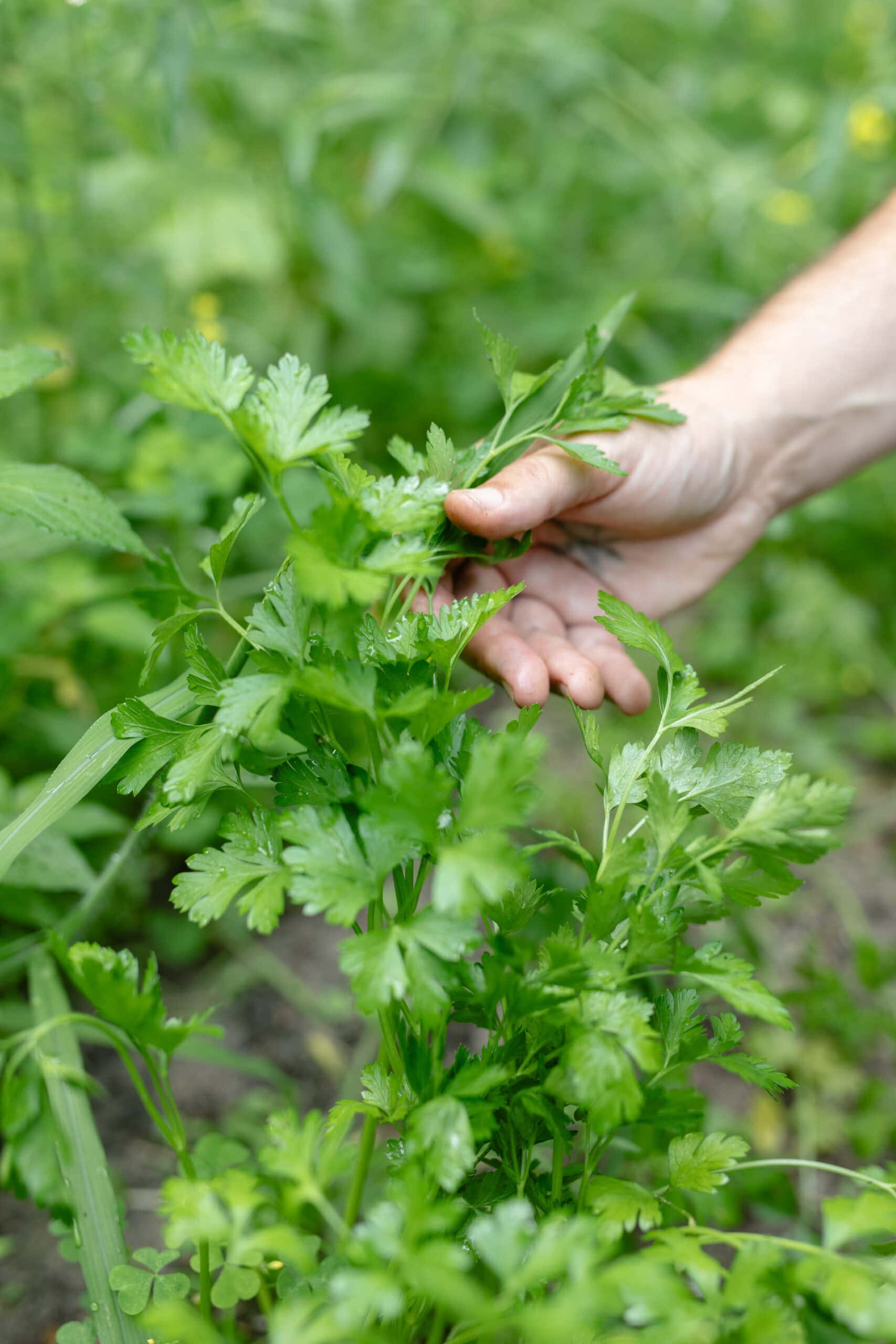
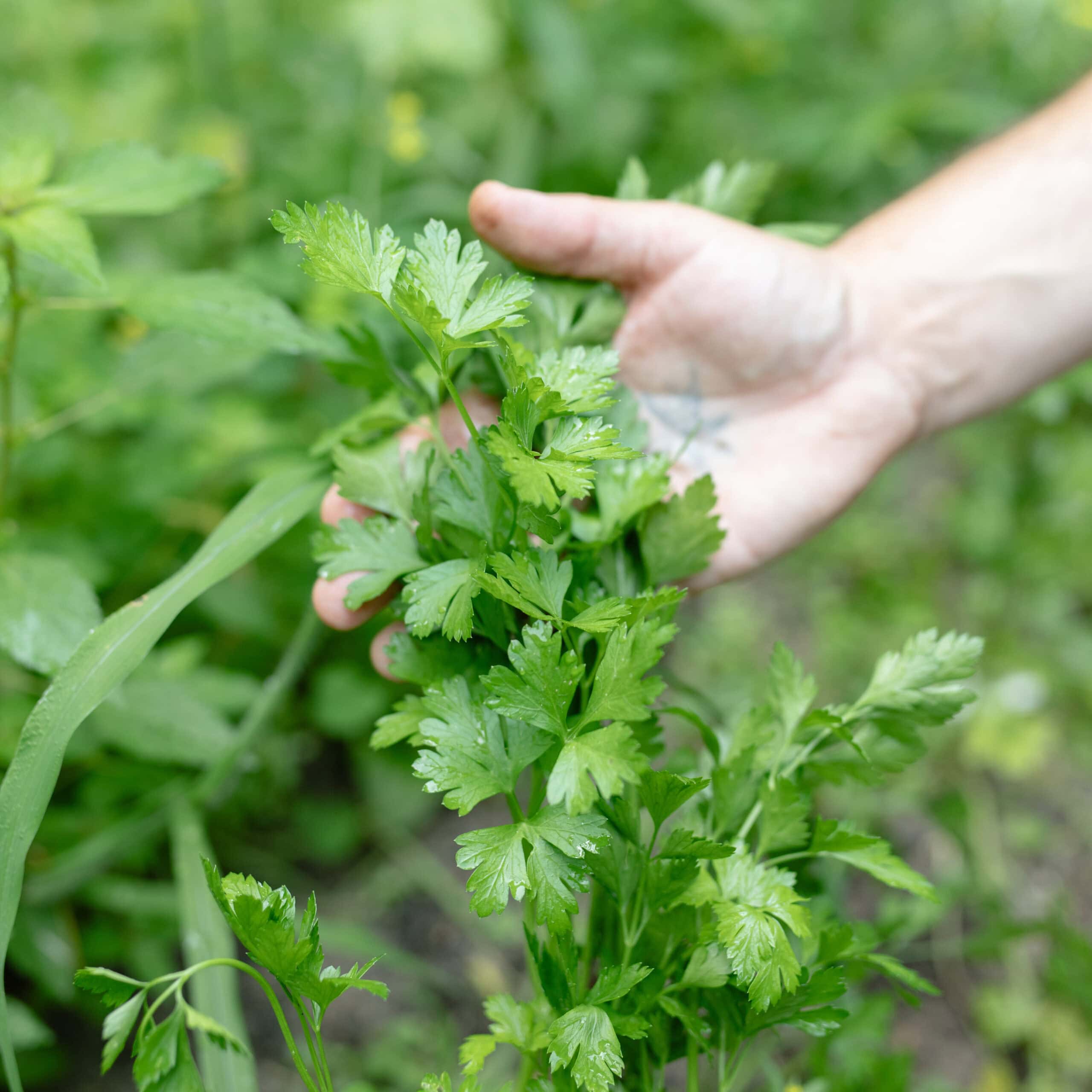
Start with the outer leaves. Snip near the base and leave the center growing. Small, regular harvests are more productive than cutting the whole plant back early.
For the best flavor, harvest in the morning after the dew has dried but before the heat of the day. The leaves are tender and do not hold as long as tougher herbs like rosemary or thyme, so use them soon after picking.
Letting Cilantro Flower and Set Seed
At some point, cilantro will flower. You can pull the plant and sow again, or let some complete their cycle. Both are useful strategies.
Letting cilantro flower attracts pollinators, and the plant eventually produces coriander seed for the spice shelf. Once it flowers, the leaves become less tender and less flavorful, so treat those plants as a seed crop from that point forward.
To harvest coriander seed:
- Let the seed heads dry on the plant as much as possible.
- Cut mature seed heads when they are dry and brown.
- Finish drying in a protected, well-ventilated spot.
- Rub or shake the seed heads to release the seeds.
- Store fully dry coriander seed in an airtight container.
Do not rush into harvesting coriander seed. Green seed is not ready for storage, and residual moisture leads to spoilage.
One More Thing
Growing cilantro from seed demonstrates the complete lifecycle of an annual herb, from establishment through vegetative growth to seed production. Success depends on three factors: timing plantings to match cool-season windows, succession sowing to ensure continuous harvests, and understanding the photoperiod and temperature triggers that initiate bolting. A single seed packet provides multiple small plantings through the cool season, and both the leaf and seed stages offer culinary value.
If you want to keep building your herb growing skills, explore our herb garden resources and learn more about how to best take care of your herb garden.
Seed Starting
Join Rick Stone from Stoney Acres Gardening as he guides you step-by-step through the full seed-starting process.