This article walks through what to expect, what affects the timeline, and how to know when your pullets are getting close, so you're not left guessing every morning when you check the nest boxes.
First, What Is a Pullet?
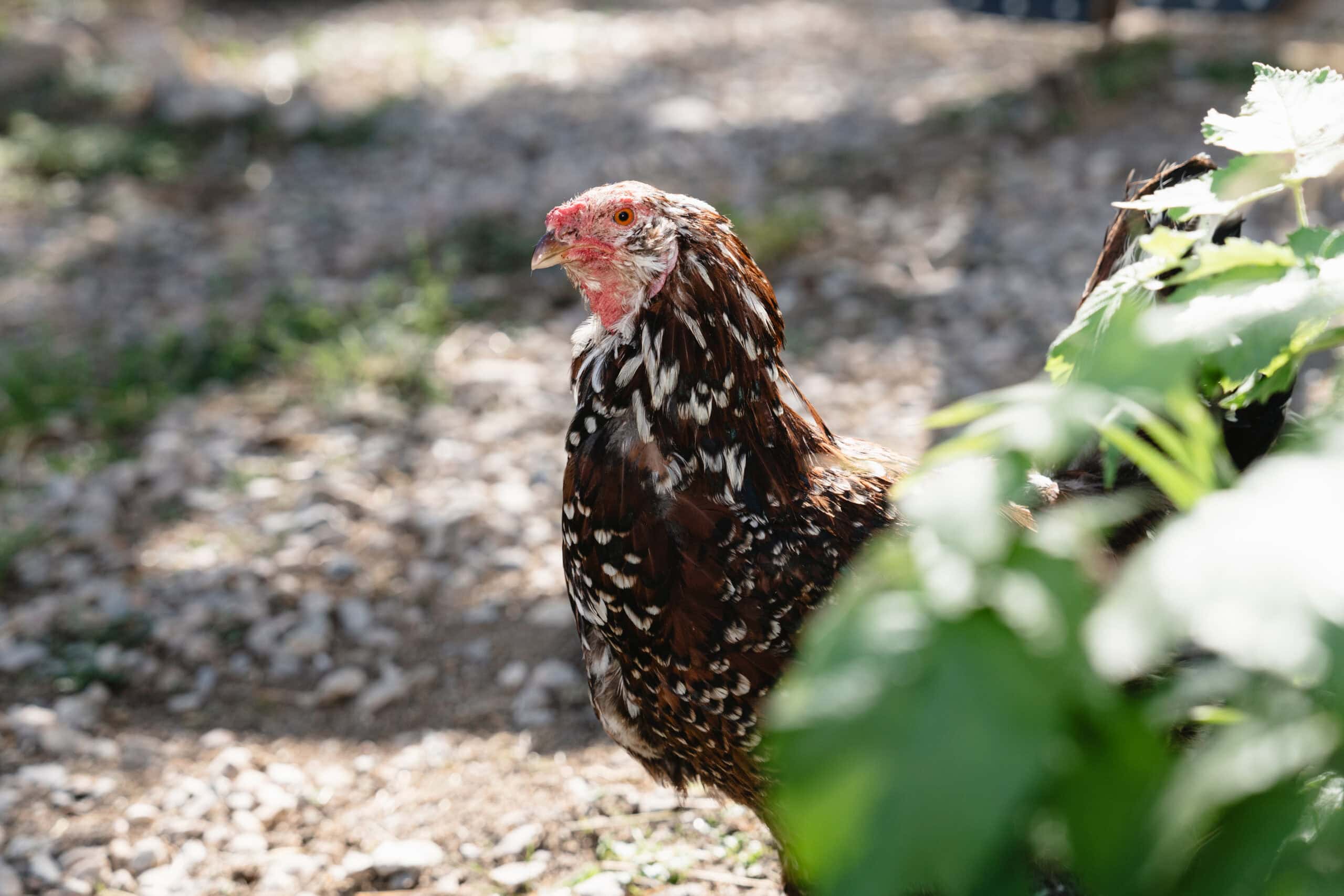
A pullet is a young female chicken that hasn't yet settled into regular egg production. She's past the chick stage, feathered out, growing fast, and starting to look like a real hen, but her laying system hasn't kicked in yet. That in-between stretch is the pullet stage, and knowing what it is saves a lot of frustration for anyone waiting on that first egg.
When Do Pullets Start Laying?
Most pullets begin laying somewhere between 16 and 24 weeks of age. That's a wide window, and it's just that: a window, not a deadline. Your birds haven't read the schedule, and a few weeks on either side of average is completely normal.
Breed plays a big role in where a pullet lands. Production breeds like Rhode Island Reds, Leghorns, and Black Sex Links are built for early laying and often come in closer to 16 to 18 weeks. Heavier dual-purpose breeds and ornamental varieties tend to take their time, sometimes running well past 20 weeks before they produce their first egg. If you've got a mixed flock, don't be surprised if some birds are laying for several weeks before others, even from the same hatch date.
Age alone, though, doesn't tell the whole story.
What Affects the Timing of the First Egg?
Several things can push laying earlier or later, and knowing them helps you make sense of what you're seeing in your flock.
Breed is the most predictable factor. Some genetics are simply wired to mature faster than others, and there's not much to do about it except be patient.
Daylight hours matter more than most people realize. Hens need roughly 14 to 16 hours of light per day to trigger and sustain egg production. A pullet approaching laying age in the fall, when days are getting shorter, may just hold off until the light comes back, even if her body is otherwise ready. It's not unusual for a bird that seemed close in October to lay her first egg in late winter once the days start to lengthen again.
Nutrition and body condition are among the most important factors, and the most overlooked. A hen's body won't begin egg production until it has the resources to do so. Pullets that are underweight, stressed, or not getting a well-balanced feed may simply not have what they need to start laying, regardless of how old they are.
Stress can push things back too. Flock changes, predator pressure, extreme temperatures, being moved to a new coop right when they're approaching laying age: any of it can cause delays. A calm, settled environment is what she needs to feel comfortable laying her first eggs.
Signs Your Pullets Are Getting Close
Rather than counting weeks on a calendar, watch your birds. A combination of physical and behavioral changes will tell you more than the date ever will.
Comb and wattles redden and grow. This is usually the first thing you'll notice. A pullet whose comb has been pale pink for months will suddenly start flushing deeper red and filling out. When you see that happening, you're likely within a few weeks of the first egg.
Their bodies fill out. As the reproductive system matures, pullets take on a fuller, rounder look around the abdomen. They start looking less like teenagers and more like hens.
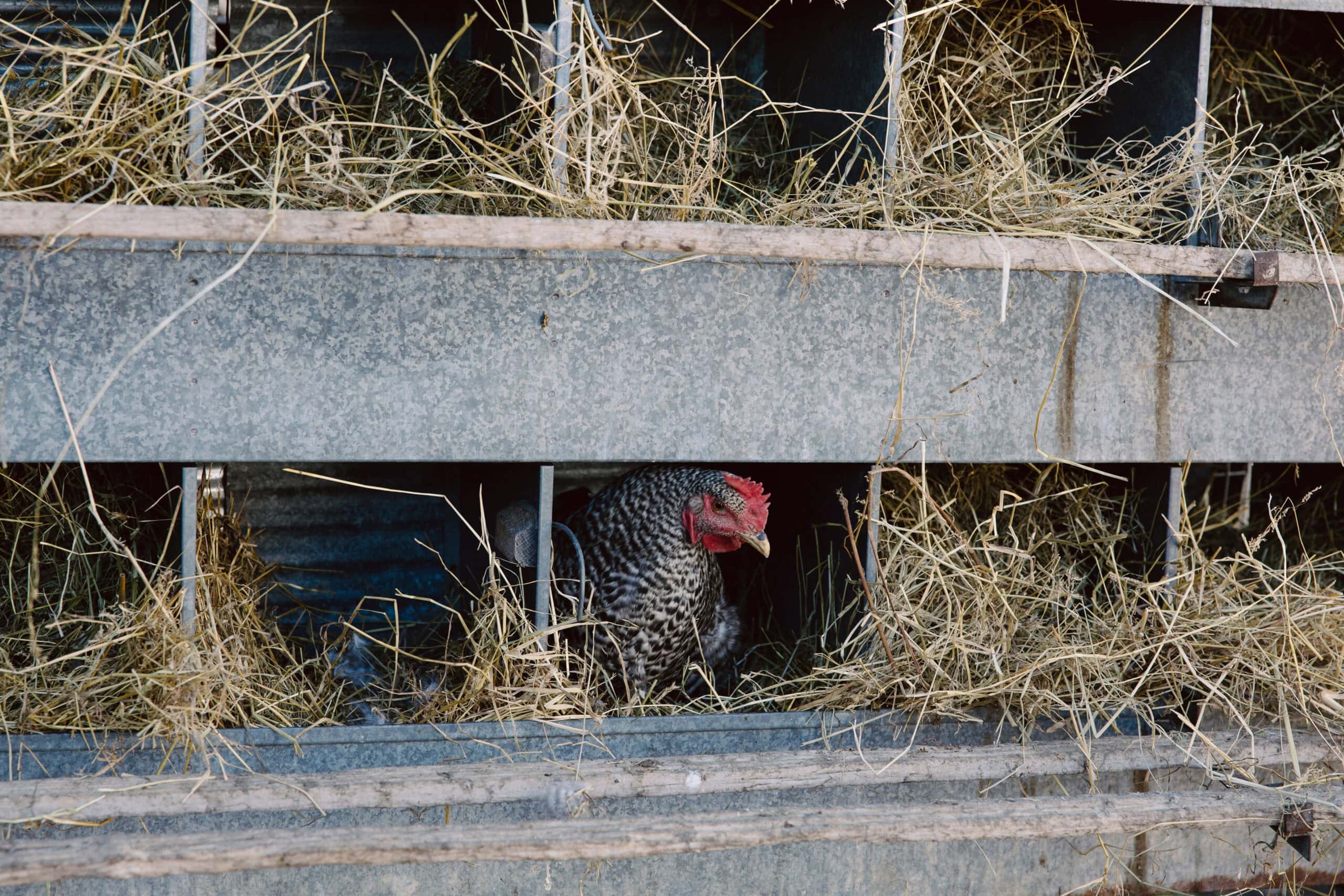
They start investigating the nest boxes. A pullet that's getting close will often begin spending time near the nesting area, peeking in, sitting in a box, lingering in quiet corners of the coop. She's scoping out her options before she needs them. That's a good sign.
Some become more vocal. A few pullets get noticeably chatty or restless in the days before their first egg. If a bird that's been quiet suddenly has a lot to say, pay attention.
The pelvic bones spread. If you gently feel on either side of the vent, the pelvic bones of a laying-ready hen will feel wider apart and softer than those of a pullet that isn't close yet. A two-finger width or more is a good sign that laying is near.
Don't put too much weight on any one sign by itself. When three or four show up together, eggs are usually right around the corner.
Backyard, Egg-Laying Chickens
Join Harvey Ussery from The Modern Homestead to learn to keep a healthy and sustainable flock of backyard egg laying chickens.
How to Prepare for the First Eggs
Set up your nesting boxes a few weeks before you expect the first egg. Pullets need time to get comfortable with the space, and a bird that's never explored the nesting area isn't guaranteed to use it when the moment comes.
A nesting box does not need to be fancy. A hen needs about a square foot of space, which you might find in a 5-gallon bucket, a plastic milk crate, or a small laundry basket laid on their side, or even a plastic tote bin with a hold cut out of the side. Place the nesting boxes lower than your roost bars, somewhere the hens aren't going to be bothered. Add a few inches of clean straw or pine shavings in the bottom, but don’t be surprised if she kicks it all out, and keep it all dry and clean. Hens are not picky! They just want somewhere that feels safe and quiet to lay their eggs.
To really get your pullets interested in the nesting boxes and learning that this is where they will deposit their eggs, put a fake egg in the box before any of them start laying. You can use a wooden egg or even a golf ball, just leave it sitting right there in the nesting material. A young hen sees that and thinks that if someone else laid an egg there, it must be the right spot.
And try not to make big changes during this stretch. Don't add new birds, rearrange the coop, or move them anywhere if you can help it. Just keep everything steady and let them come along in their own time.
What to Feed Before Laying Begins
Keep your pullets on a grower feed or pullet developer feed until laying actually begins. Don't switch to layer feed early just because laying seems close.
Layer feed is formulated with significantly more calcium than grower feed, and that calcium is there to support shell production in actively laying hens. In a pullet that isn't laying yet, that extra calcium has nowhere useful to go. Over time it puts unnecessary strain on young kidneys and can cause real harm. The switch should happen when the eggs start coming, not before.
Once laying begins, transition to layer feed and put out oyster shell on the side. Offering it separately lets each hen take what her body needs to get her calcium requirements.
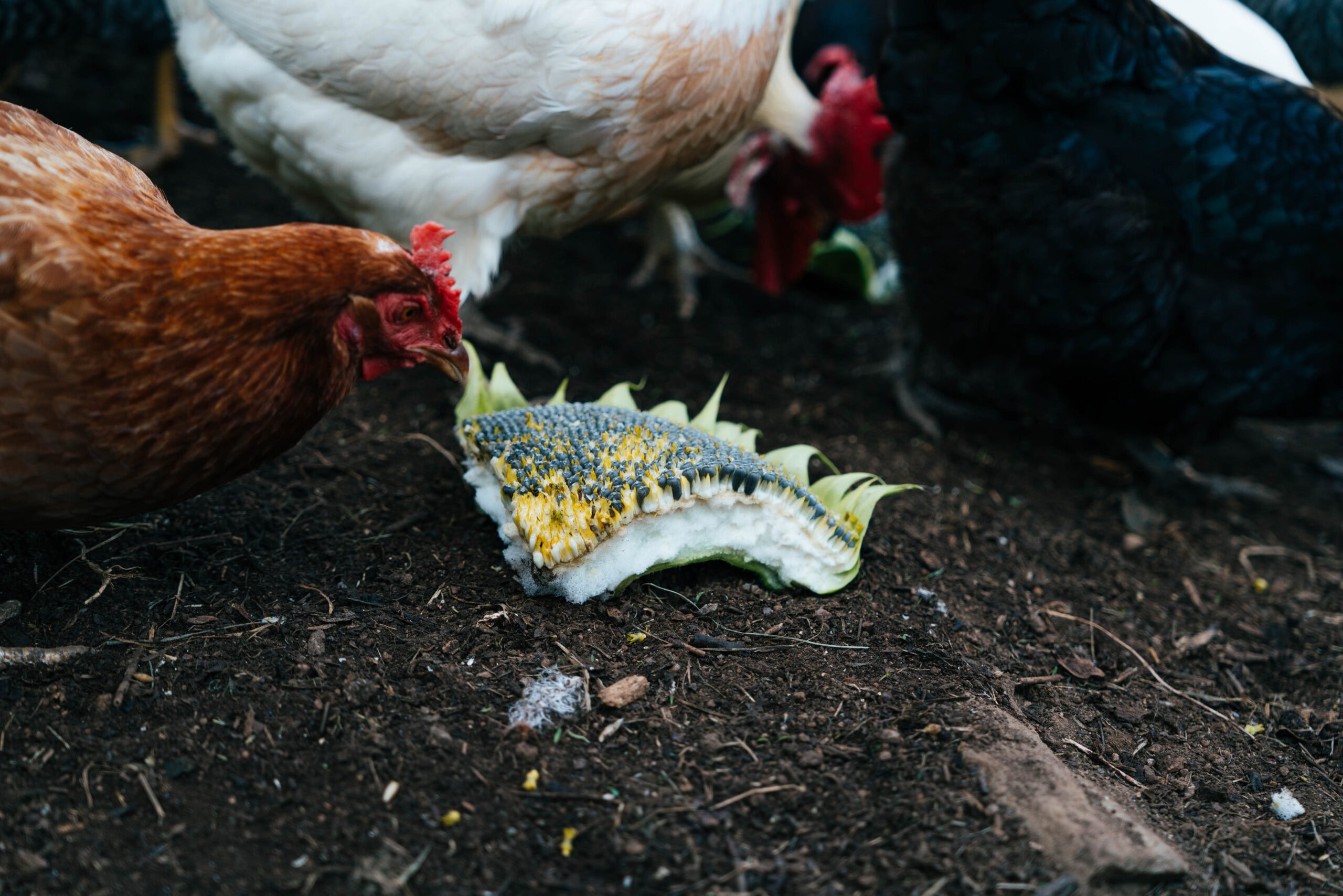
You can also feed your chickens from your kitchen and garden scraps with a little know-how, and cut that feed bill down considerably. To learn how to raise backyard chickens from start to finish, check out Backyard Egg Laying Chickens with Harvey Ussery, the Chicken Whisperer, at the School of Traditional Skills.
Fresh, clean water available at all times goes without saying, but it's worth saying anyway. Water is as essential to egg production as any feed. Birds that run dry will notice, and so will your egg count.
What First Chicken Eggs Look Like
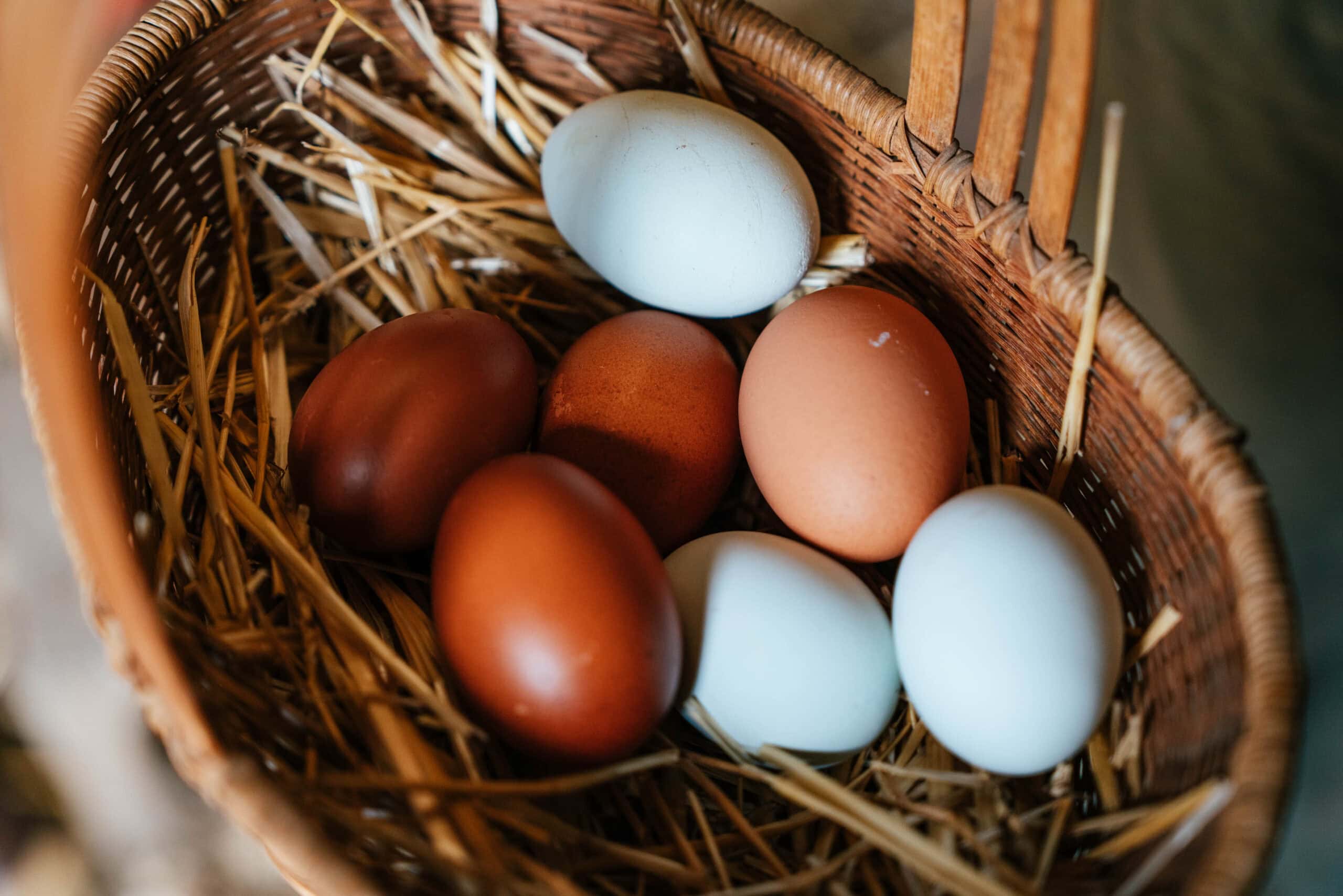
Don't be alarmed by the first eggs from your new layers. They're often small, sometimes oddly shaped, and the shells can be rough, very thin, or even rubbery. That's all completely normal. Her system is still working out the rhythm.
Double yolks show up more often in new layers too, when the timing between ovulations hasn't quite regulated yet. Within a few weeks, most hens settle in and start producing what you'd expect with evenly sized eggs, firm shells, and consistent numbers.
If Your Pullets Aren't Laying Yet
If your birds seem like they should be laying and aren't, a few common things are worth looking at.
They may simply not be fully mature yet, even if they look close. Some breeds just need more time, and there's no shortcut for that.
Short days are one of the most common reasons laying gets delayed, especially in fall and winter. If you're heading into the shorter months, consider adding a light on a timer to bring total daily exposure up to 14 to 16 hours. Add it gradually rather than all at once.
Nutritional gaps or an early switch to the wrong feed can delay things too. Make sure your birds are on a quality grower ration and have water in front of them at all times.
If a bird seems lethargic, is losing weight, or is showing other signs of illness, that's worth a closer look on its own.
How to Support Healthy Laying
The best thing you can do as your pullets come into lay is keep things steady. Good feed, clean water, a proper nesting space, a low-stress environment: those are the foundations, and everything else follows from them. Resist the urge to rush it.
Changes to the flock or the coop during this transition period can set birds back more than most people expect. If you can hold off on introductions or moves until your hens are settled into a laying rhythm, you'll get better results.
One More Thing
The first egg from your own flock is one of those homestead moments that doesn't get old, no matter how many seasons you've been at it. Take care of your birds in these weeks leading up to it, and you'll be laying the foundation for a flock that produces well for years to come.
Be patient and set them up right. When they're ready, you'll know, and that first egg will be worth every week of waiting.
Backyard, Egg-Laying Chickens
Join Harvey Ussery from The Modern Homestead to learn to keep a healthy and sustainable flock of backyard egg laying chickens.