Doc Jones, as he’s better known, has spent over 25 years as a practicing veterinarian, clinical herbalist, and traditional naturopath, and he has pretty much seen it all. He has found that medicinal plants, used correctly, often outperformed pharmaceuticals in ways that surprised even him. But he’d also be the first to tell you: situations that are serious, rapidly progressing, and/or outside your skill level require medical attention (examples include significant blood loss, severe throat swelling, anaphylactic reaction, high fever in a child, or symptoms that are worsening despite home care).
Leaving those cases aside, herbs work well for a lot of things. The remedies in this article are for the everyday issues, and we’ll present them by ailment: minor wounds and bites, tension and sinus headaches, common sore throats, and inflammation from injury or overuse.
This is part of our Herbal Remedies at Home series with Doc Jones. Also in the series: Medicinal Herbs: A Beginner's Guide | How to Make a Tincture | How to Brew Medicinal Tea . These remedies come from Doc Jones's Herbal First Aid and Herbal Cold and Flu Remedies classes.
Herbal Remedies for Headaches
Headaches can have different causes, but the two primary types are tension headaches caused by some sort of muscle spasm and inflammatory headaches triggered by sinus pressure (frequently caused by viral or bacterial infections).
The key is to match the herb to the type of headache rather than simply grabbing any “headache herb.”
For Inflammation-Driven Headaches (Sinus Pressure with Behind-the-Eyes Pain):
White Willow Bark or Meadowsweet (Spirea): These anti-inflammatory herbs contain natural salicylates, a compound used to make aspirin. In fact, Doc Jones charmingly refers to white willow bark as “aspirin on a stick” in his classes. Meanwhile, the meadowsweet’s medicinal properties are strongest in the flowers and flower buds. Think of this as a painkiller without the unpleasant side effects (though don’t take these if pregnant, breastfeeding, and/or on pharmaceutical medications).
Elderberry or Echinacea: If the headache is related to sinus congestion from a cold or allergies, it helps to treat the underlying inflammation with these well-known herbs. They are also great for respiratory infections and for stimulating the immune system.
For Tension Headaches (Pain From Tight Muscles in Neck and Shoulders):
Cramp Bark: Derived from the inner bark of an ornamental bush, this is a very powerful antispasmodic. Doc Jones specifically recommends it for treating tension headaches because it’s a muscle relaxant.
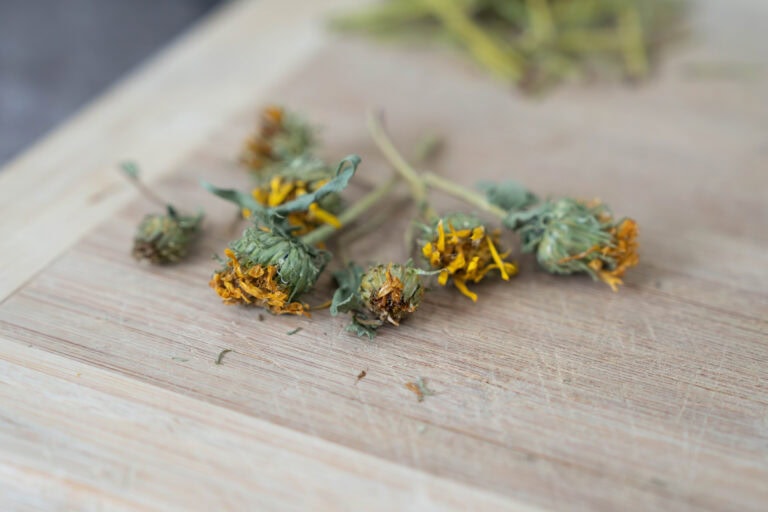
Gumweed: The flower and buds of this plant are good antispasmodics that relax and open up the airways. (They also contain wonderful expectorant and cough suppressant properties that make the herb suitable for lung congestion. As if that weren’t enough, they’re even antibiotic and anti-inflammatory, capable of accelerating the healing of damaged airways.)

Natural Sore Throat Remedies
Similar to headaches, the underlying causes for a sore throat can fall into two categories: a viral illness or a mechanical irritation from congestion or dry air.
Sore throats from a viral illness need a couple of things – first, something to soothe the immediate pain, and then, something to address the virus causing it. On the other hand, sore throats triggered by post-nasal drip, dry air, or voice overuse need a demulcent herb that coats and soothes inflamed tissue.
For Soothing Throat Pain (Demulcent Herbs):
Marshmallow root: Doc Jones calls this the “rock star” for sore throat. The mucilaginous compounds coat the inflamed tissue and reduce pain. It works best as a cold infusion (pour cold water over the dried roots and steep for several hours) since hot water can destroy mucilage.
Slippery elm: This uses a similar mechanism to marshmallow in that it coats and soothes the throat lining. Consider a cold infusion with this herb as well.
For Addressing the Underlying Viral Illness:
Elderberry: This powerhouse is antiviral, immune-stimulating, and anti-inflammatory. Doc Jones recommends elderberry syrup as a daily remedy during illness, and not just for kids! (To learn how to make your own elderberry syrup, look no further than Doc Jones’ Herbal Cold and Flu Remedies class. It also covers his recommended cold and flu protocols, including what to take and how often.)
Echinacea + Garlic: These herbs provide wonderful immune support for the first days of a cold or flu. Doc Jones recommends taking these more frequently (3–6 times daily) when acutely sick.
Herbal 1st Aid
Join clinical herbalist, naturopath and emergency veterinarian Dr. Patrick Jones from Homegrown Herbalist as he shows you how to treat minor injuries at home — or on your way to Urgent Care — with Herbal 1st Aid remedies.
Wound Healing Herbs and Natural Antibiotic Washes
In recent years, there have been rising concerns over antibiotic resistance, and it’s not just the antibiotics we take internally that are to blame – popular first aid antibiotic ointments are creating superbugs as well. While antibiotics have saved countless lives, we don’t need to pull out the big guns for every superficial scrape or cut. In those instances, Doc Jones says, reach for your homemade multi-herb wound wash.
Why a Multi-Herb Wound Wash or Poultice:
A pharmaceutical antibiotic like penicillin contains one compound that kills one class of microbes. Compare that to a wound wash or poultice combining many natural antibiotic herbs which cover a very broad spectrum of potential pathogens. Beyond their antibacterial effects, those herbs can also do other jobs like accelerate healing (comfrey), reduce inflammation (calendula), stop bleeding (yarrow and cayenne), and bring pain relief (hops).
Doc Jones's Wound Herb Lineup:
Comfrey: It contains allantoin, which stimulates rapid cell division and wound closure. Doc Jones calls this herb the “rockstar” for healing damaged tissue (but use it only on surface wounds, not puncture wounds). It also has anti-inflammatory properties and is soothing topically and mechanically because it contains a lot of mucilage.
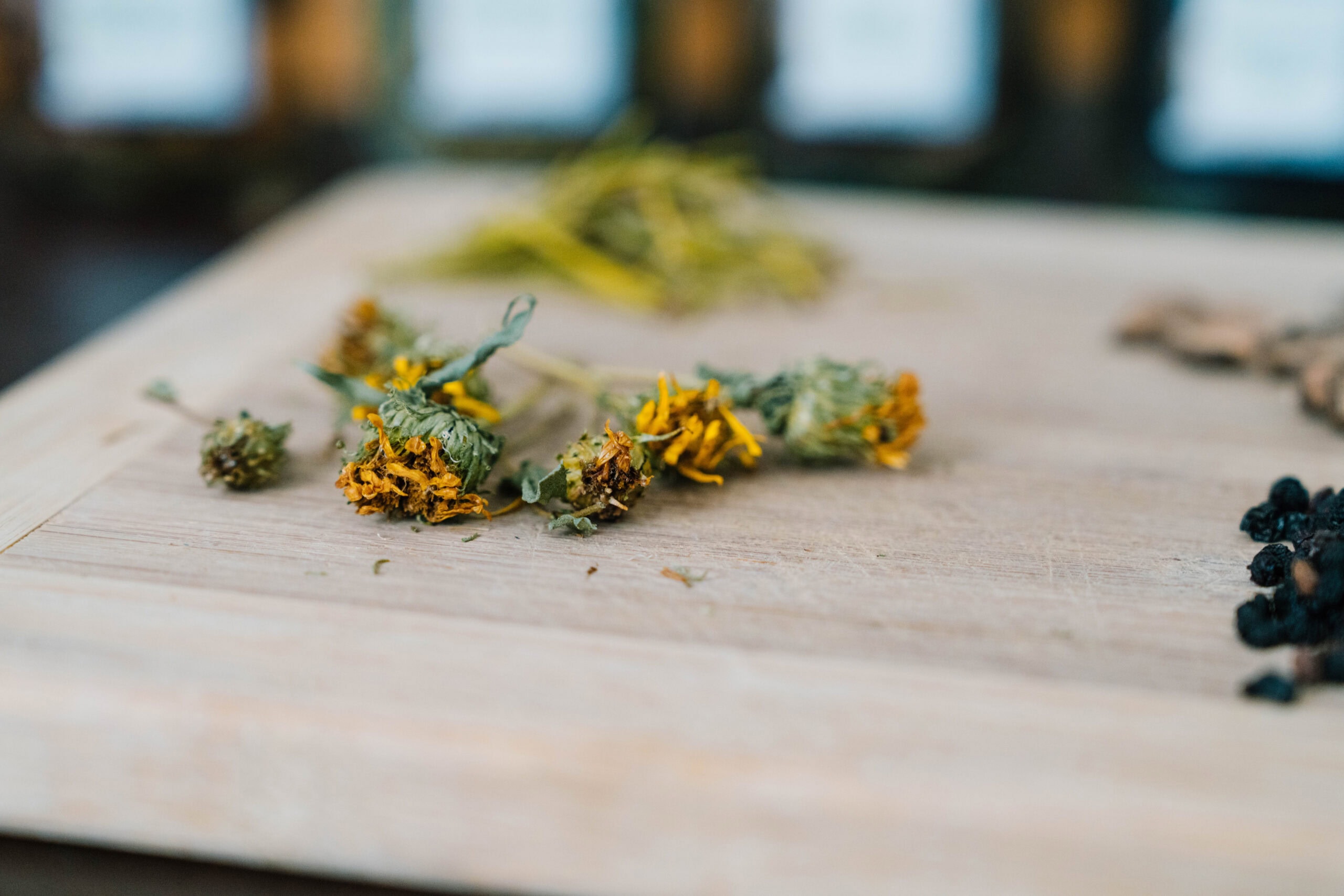
Calendula: This herb is antibiotic, anti-inflammatory, and accelerates healing, so it goes into most of Doc Jones's wound formulas. Its multiple functions make it a great candidate for your first homemade tincture!
Yarrow: This lovely, easy-to-grow herb is hemostatic (stops bleeding), antimicrobial, anti-inflammatory, and anti-viral. It has been the go-to for soldiers in battle since the time of the ancient Greeks, and it’s best used in its powdered form when dressing wounds.
Plantain: This herb that grows prolifically in North American yards can pull toxins and infection out of tissue, making it an excellent choice for bites and puncture wounds where drawing action is needed. It’s an antibiotic, too.
Hops: Thanks to its dual-action antibiotic and pain-relieving properties, it’s often used in wound wash formulas. As a muscle relaxant, it’s perfect for gastrointestinal ailments as well. Just keep it away from your dog – it’s very dangerous for them.
Cayenne: This culinary hero is good for bleeding and has some antibiotic properties. It’s highly stimulating to tissue and gets the circulation moving, allowing the healing compounds to enter and for pathogens to exit. Cayenne is excellent topically or internally for bleeding.
These are some of the top players in Doc Jones’ first aid treatments, but he’s quick to point out that you don’t have to use all of them. If you’re interested in seeing his recipes for a wound-cleaning tea and a medicinal herb poultice (with specific ratios and directions for how to prepare), check out his Herbal First Aid class.
For Burns:
When it comes to burns, Doc Jones has a full protocol on how to treat them with medicinal herbs (noting that anyone with a third-degree burn should seek immediate medical attention). We won’t go into detail here, but just mention two plants that should be on your radar, especially if you like to cook!
We discussed calendula already as an herb that promotes healing, and it’s very effective in treating burns because of its anti-inflammatory, pain-reducing properties.
There are a few plants that are good at pulling fluid out of swollen, burned tissue, and maybe the most commonly used is aloe vera. It’s very cooling and provides immediate relief for minor burns. Many a home cook has an aloe vera plant in the kitchen!
Anti-Inflammatory Herbs for Pain and Injury
Whether you’ve got a sprained ankle, chronic back pain, or arthritis, dealing with pain can be tricky. There’s usually more than one cause, and it can be difficult to pinpoint. The good news is that herbal remedies for pain often combine herbs from different categories in order to manage the pain at multiple levels: anti-inflammatory, nervine (nerve-calming), and antispasmodic.
In these cases, topical tinctures applied directly to the painful area are usually the best choice. They deliver herbs in a fast, targeted way, and have the added advantage of being safe for pregnancy, breastfeeding, and pharmaceutical usage.
Anti-Inflammatory Herbs (Reduce Swelling and the Inflammatory Response):
White willow bark or Meadowsweet: These salicylate-based anti-inflammatories are Doc Jones's go-tos for inflammation and pain. He calls white willow bark “aspirin on a stick.”
Calendula: Also anti-inflammatory, among many benefits, and is useful both topically and internally.
Ginger and Turmeric: These two all-stars of Asian cuisine are well-known anti-inflammatory plants that work internally, including for chronic inflammation.
Nervine Herbs (Calm Nerve Pain):
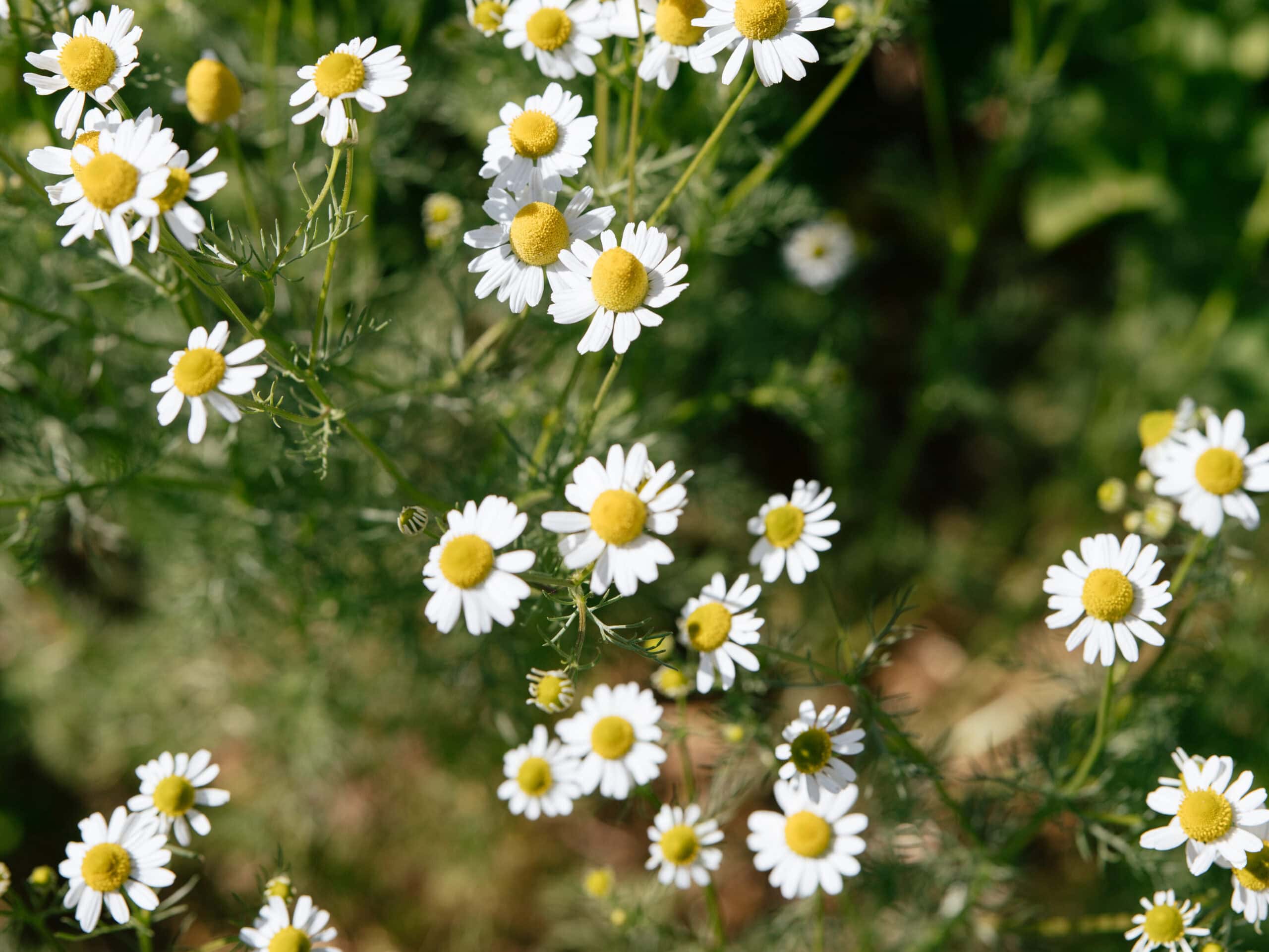
Chamomile: This beautiful flower calms nerves and reduces inflammation, making it useful for pain with a nerve component.
Hops: Here’s another herb that helps to relax the nervous system. It acts both as a nervine and an antibiotic.
Antispasmodic Herbs (Relieve Muscle Spasms):
Cramp bark (inner bark of the canes): Doc Jones's recommendation for spasms, tension headache, and muscle injury; one of the few herbs in this class confirmed safe for internal use during pregnancy
Lobelia: relaxes muscle tension; Doc Jones mentions it for tension headache and general spasm
For chronic inflammation (of the sort present in arthritis or recurring back pain), Doc Jones recommends consistent use – 2-3 times daily – rather than only reaching for herbs during flares.
Topical tinctures of anti-inflammatory herbs applied directly to the affected area are one of Doc Jones's favored delivery methods for musculoskeletal pain. There is no concern about overdosing on an herb by spraying it onto the skin, so topical applications of herbal tinctures may be used as frequently as needed.
Commonly Asked Questions About Herbal Remedies for Common Ailments
White willow bark (the original aspirin plant) and meadowsweet are Doc Jones's primary recommendations for inflammation-driven pain. Another good option is calendula,which addresses both inflammation and infection simultaneously, making it especially useful for wounds or bites that are painful and inflamed.
For muscle spasm pain specifically, cramp bark and lobelia help relax the tissue causing the pain.
Marshmallow root is Doc Jones's top recommendation. It coats and soothes inflamed throat tissue with mucilaginous compounds. If the sore throat is from a virus, pairing marshmallow root with elderberry or echinacea addresses both the pain and the underlying illness. A cold infusion of marshmallow root with a little raw honey is one of the simplest and most effective options (hot water will destroy the mucilaginous compounds).
Several herbs have genuine antimicrobial properties. Doc Jones uses calendula, hops, yarrow, and plantain in wound care regularly. To be sure, the effectiveness depends on using them correctly, consistently, and at the right dose – not just dabbing something on once. For serious infections with systemic symptoms (such as a fever, spreading redness, or pus), seek medical care rather than relying on herbal antibiotics alone.
Comfrey is Doc Jones's favorite wound-healing herb. It contains allantoin, which directly stimulates new cell growth. Use comfrey on surface wounds only, not on puncture wounds, where it can seal the outside before the inside heals (that’s how fast it moves!).
Calendula supports healing and fights an infection simultaneously, making it a useful companion to comfrey in wound care (as in Doc’s ‘Multi-Herb Wound Wash’ referenced above).
One More Thing
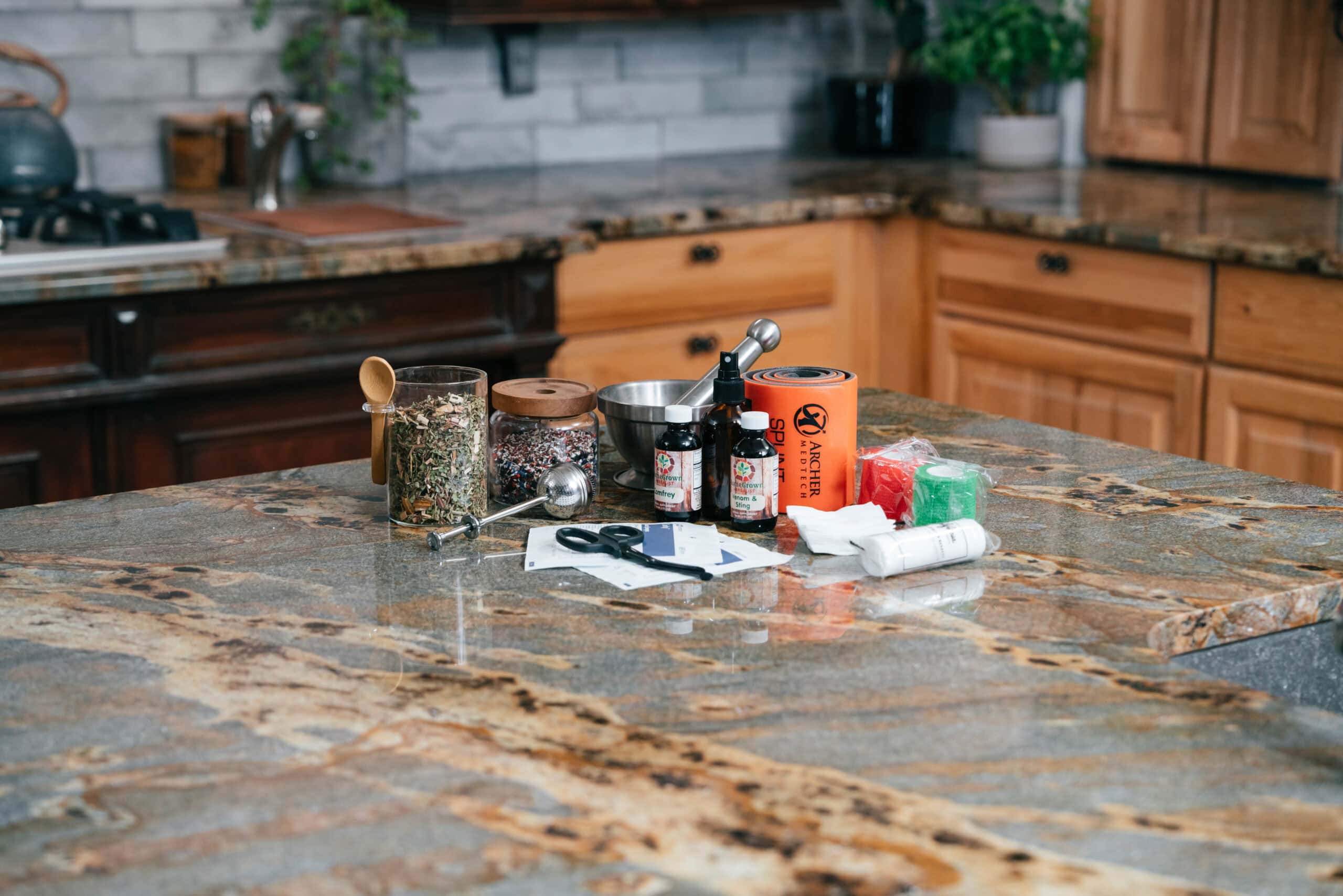
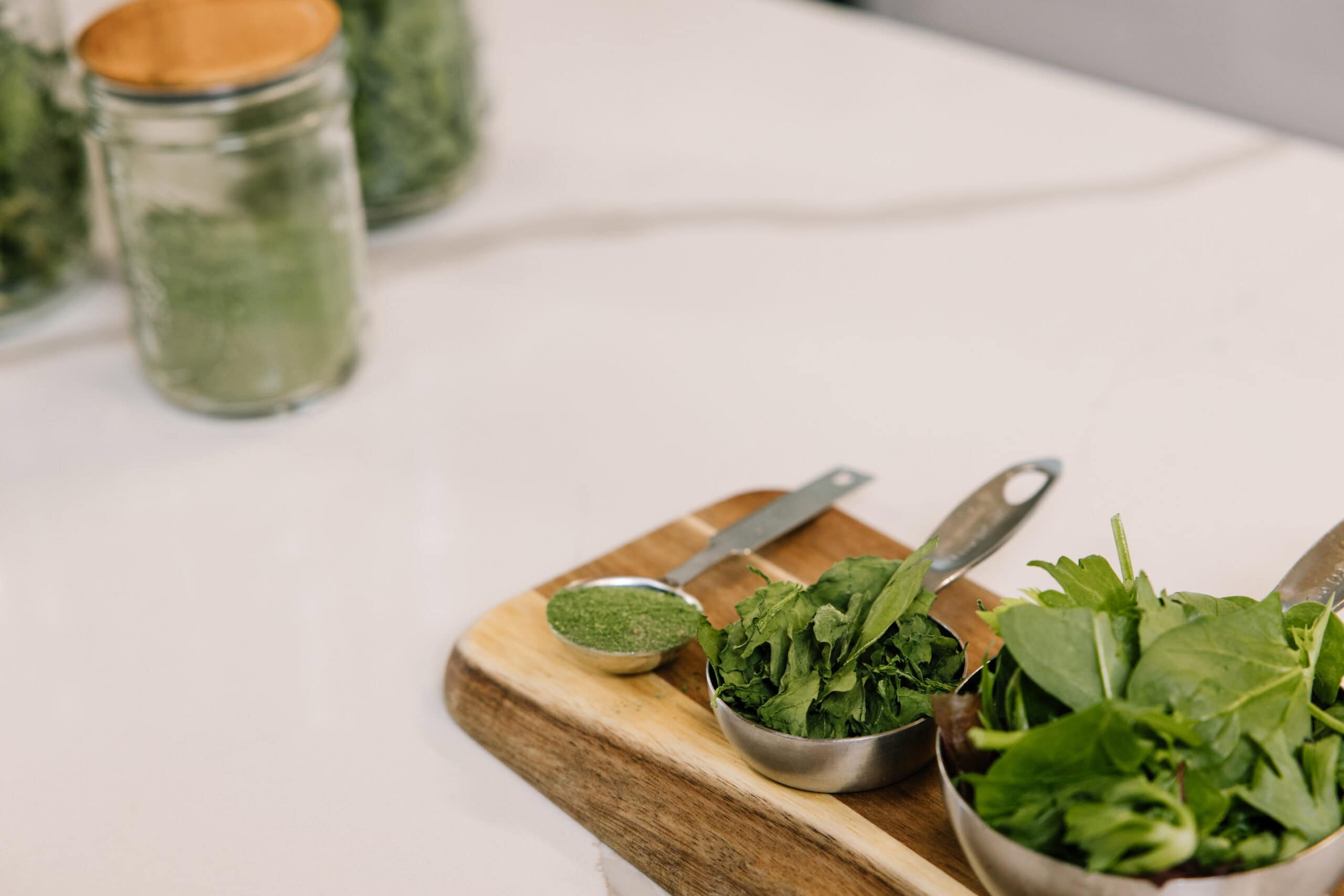
If you’ve been following along with the whole Herbal Remedies series (starting with our intro to medicinal herbs and continuing with making tinctures at home), you’re probably eager to get started with building your small herbal first aid kit!
If we had to cap it at five, the starter kit of herbs we’d recommend getting to cover most of what’s addressed above would be:
- Calendula (in dried flower form or as a tincture), for its wound care, anti-inflammatory, and skin healing properties
- Plantain (either fresh or dried), for bites, stings, and drawing out infections
- Comfrey (as a dried leaf for poultices), for surface wound healing
- Elderberry (as a tincture or syrup), for immune support, sore throats, and its antiviral properties
- Marshmallow root (in its dried form), for sore throat and digestive inflammation
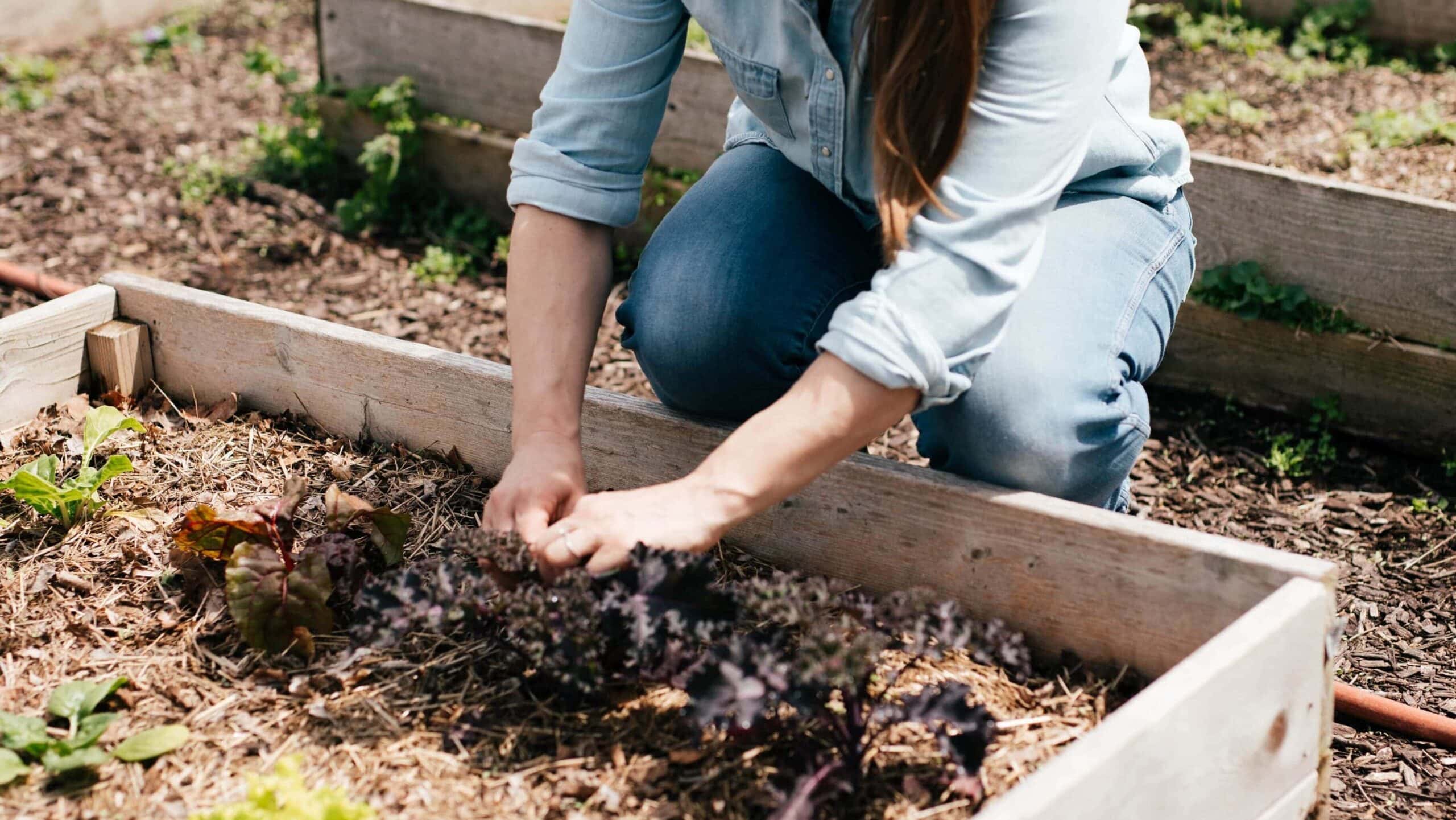
Most of these are inexpensive to source dried from herb suppliers, or easy to grow yourself. And when you start small, it makes it easy to remember what purpose each of them serves and get in the habit of using them for your everyday needs. In no time, you’ll be ready to add another five to the medicine cabinet.
We’ve looked at tinctures – now it’s time to talk tea! Continue with our last post in this series to delve into the wonderful world of brewing medicinal tea. You may never look at tea the same way again.
Herbal 1st Aid
Join clinical herbalist, naturopath and emergency veterinarian Dr. Patrick Jones from Homegrown Herbalist as he shows you how to treat minor injuries at home — or on your way to Urgent Care — with Herbal 1st Aid remedies.
Dr. Patrick Jones, better known as Doc Jones, is the founder of the HomeGrown Herbalist School of Botanical Medicine. He has practiced as a veterinarian for over 25 years and works as a clinical herbalist and traditional naturopath. Doc Jones has treated gangrene, rattlesnake bites, gunshot wounds, sepsis, and countless acute cases using herbal medicine alongside conventional care. His approach is both deeply practical and medically grounded. To learn all of this on video with Doc Jones demonstrating the techniques, start with Herbal First Aid at the School of Traditional Skills.
Disclaimer
The information in this article is for educational purposes only. It is not medical advice, and it is not a substitute for the guidance of a qualified healthcare provider. Doc Jones is a veterinarian, clinical herbalist, and traditional naturopath — not your personal physician. Nothing here should be used to diagnose, treat, or replace care for any medical condition. If you are pregnant, nursing, taking prescription medications, or dealing with a serious or worsening health situation, consult a knowledgeable healthcare provider before using any herbal remedy. School of Traditional Skills is not responsible for any outcomes resulting from the use of information in this article. Use good judgment. Seek professional help when you need it.