Nothing beats a homegrown cucumber. Once you’ve eaten one fresh off the vine, you may never go back to buying from the store.
The key to that amazing flavor is in picking the cucumber at the right time, but if you’ve ever tried growing cucumbers, you know it’s not so obvious at first. In fact, ask an experienced gardener, What does a cucumber look like when it's ready to pick? and he’ll probably tell you, It depends.
Have the End in Mind
You see, knowing whether a particular cucumber is ready to harvest depends on your goal for that cucumber. Are you intending to eat it tonight, or to save its seeds for next year? And is it a slicing variety meant to be eaten fresh, or a smaller pickling one?
These questions matter because eating (or slicing) cucumbers and seed-saving cucumbers are harvested at totally different points in the fruit's life. And even among the slicing cucumbers, varieties can have different purposes (like eating fresh versus pickling). Matching these qualities with your goals will help you determine when to harvest so you can optimize flavor, canning quality, or seed viability. Gone will be the days of regretting that you let a slicing cucumber turn yellow, or harvested your seed cucumber too soon before the seeds had fully matured.
In this article, we’ll show you how to tell when cucumbers are ready to harvest, so you never waste another cucumber again.
Eating Cucumbers: When to Pick for Fresh Use
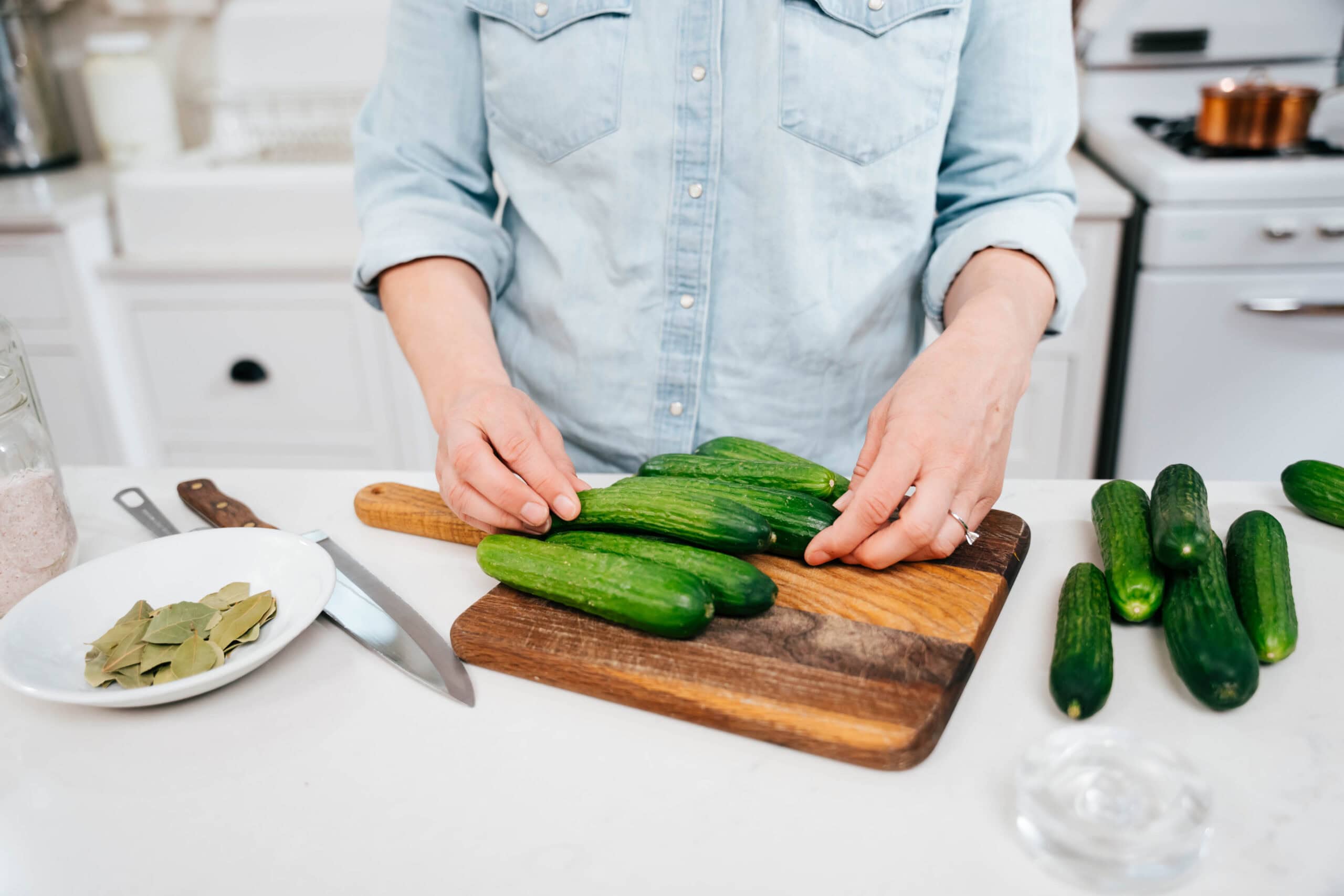
Like any produce, the specific variety of cucumber you’re growing will have a description of what the ready-to-eat fruit should look like. With cucumbers, the varieties fall into two main categories: slicing and pickling.
Cucumbers of either type share a common set of characteristics that point to their harvestability.
The Visual Cues: What to Look for
Here’s a simple checklist to test whether your cucumber is ready. A slicing or pickling cucumber should have:
- A rich green color with no yellowing (that’s a sign of overripeness)
- Skin that is glossy
- Seeds that are small and soft
- Skin that feels firm but not rock hard (a gentle squeeze should have slight give without feeling hollow or squishy)
Size by Variety: Slicing vs. Pickling
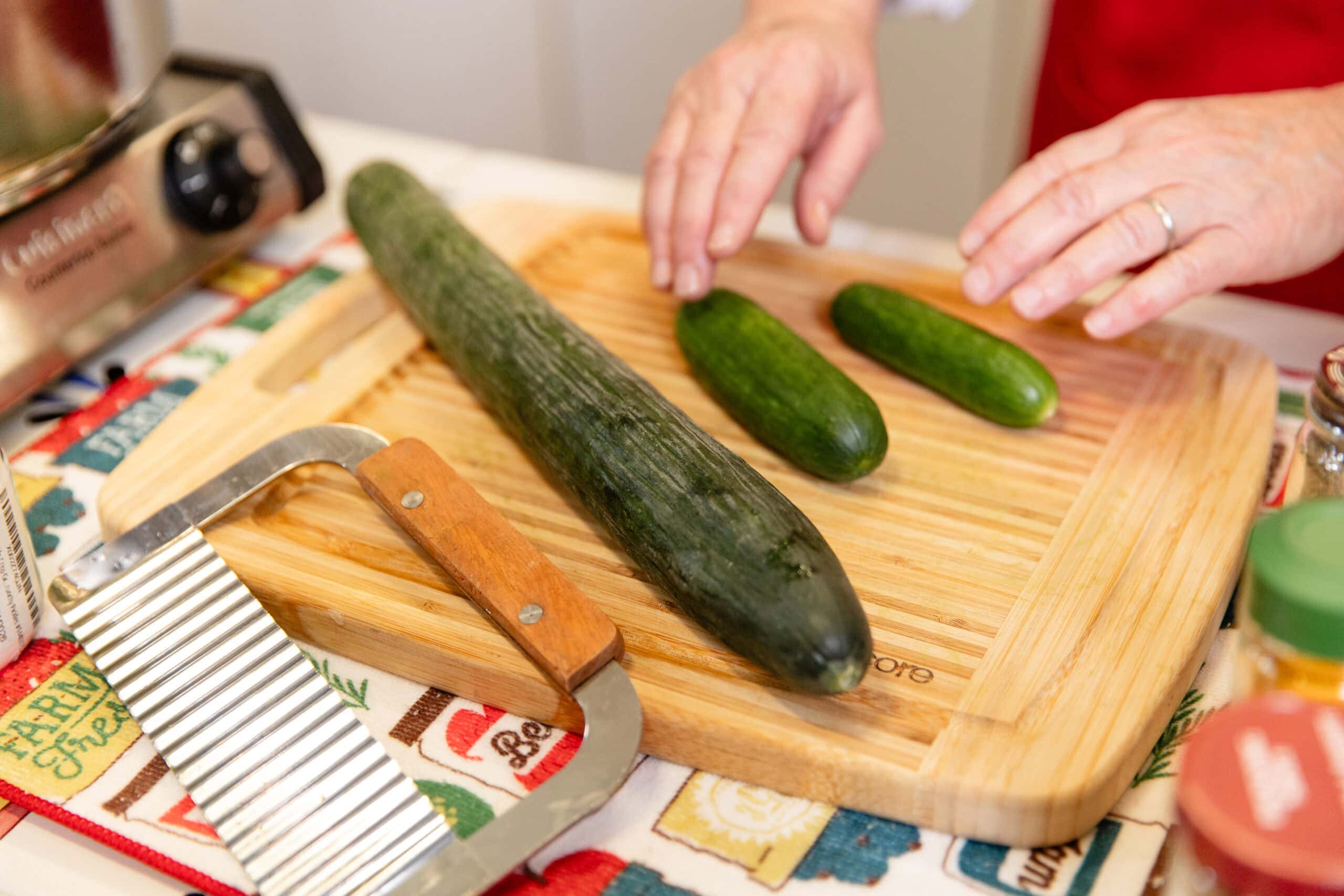
Maybe the most noticeable difference between cucumber varieties is their size at harvest. You can find gherkin cucumber varieties that are ready at 2 inches (5 cm), Armenian cucumber varieties that are picked at 18 inches (46 cm), and everything in between.
Most slicing cucumbers should be picked at 6 to 8 inches (15–20 cm) long, while pickling cucumbers tend to be a lot smaller, around 2 to 4 inches (5–10 cm). The smaller size of pickling cucumbers are ideal for fitting into jars, and their thinner skin and extra crisp flesh make for a tastier pickle spear or slice.
Whatever you’re growing, let the seed packet be your guide. It will give you the harvest length that your variety is supposed to reach and other information that’s especially pertinent if you’re growing unusual varieties like lemon cucumbers or burpless varieties.
Why Frequent Harvesting Matters
When you’re in the peak season and getting within range of that target size, check your plants frequently, at least every two to three days. Cucumbers grow shockingly fast and can seem to double in size overnight. Plus, cucumbers benefit from frequent harvesting – it stimulates new growth and helps the plant to bear more prolifically.
The best time to check and harvest your plants is in the cool morning hours, when your cukes are most crisp. Evening works, too – just avoid the heat of the day, which can cause your fruits to go a bit soft.
Don’t forget to bring your pruning shears or scissors along with you on your morning inspection to cut off any cucumbers that are ready. Twisting or pulling the cucumbers off the stem can injure the plant and reduce overall yield.
The Consequence of Waiting Too Long
If a cucumber is left on the vine too long, the flavor gets bitter, seeds harden, skins thicken, and it takes on a yellow appearance. The longer that you leave the cucumbers sitting around on the vine, the fewer new fruits your plant will produce. Eventually, the plant will stop producing altogether.
While an overripe, yellowing cucumber will probably not make it into your salad, it can still be salvaged for its seeds!
Seed-Saving Cucumbers: A Completely Different Timeline
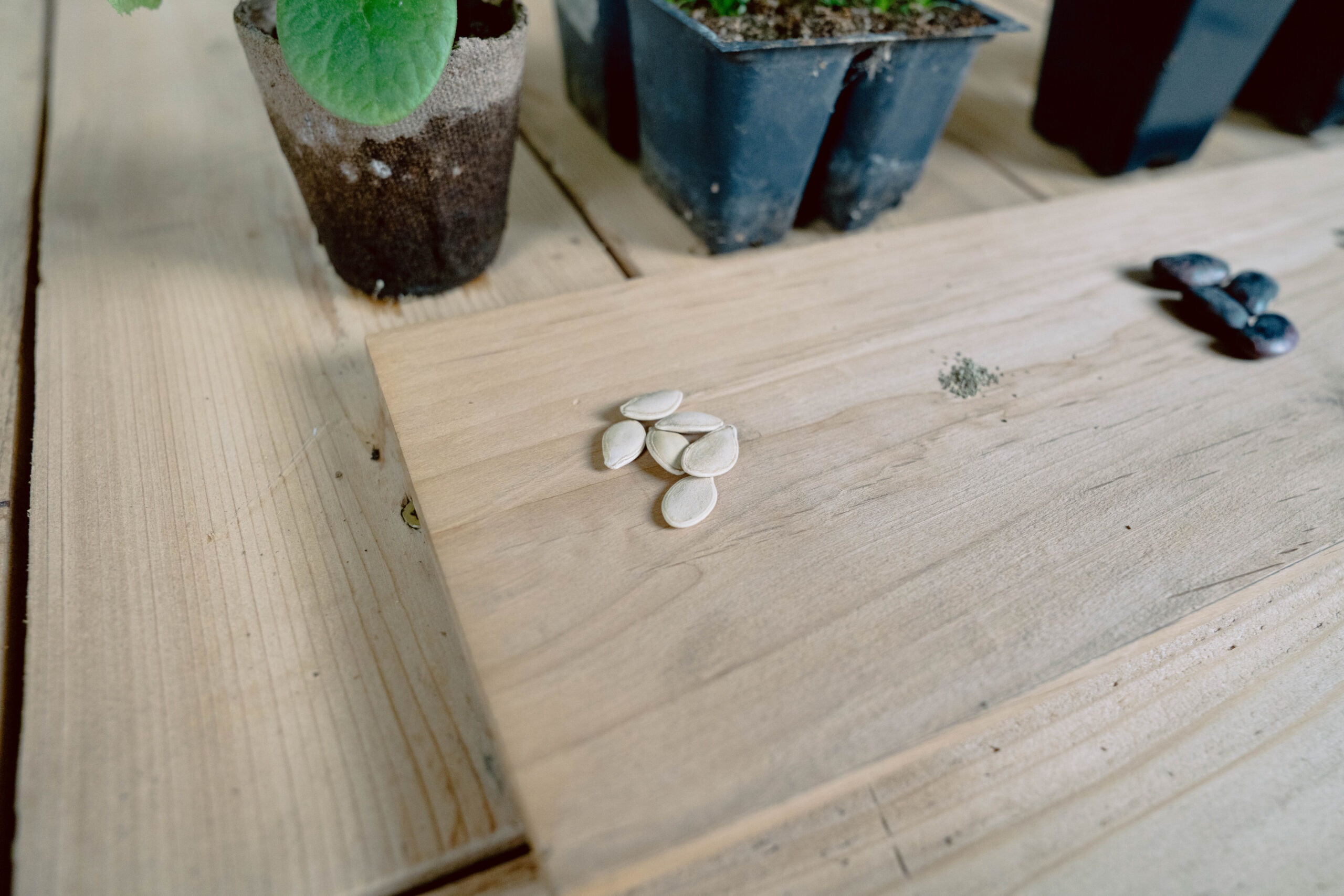
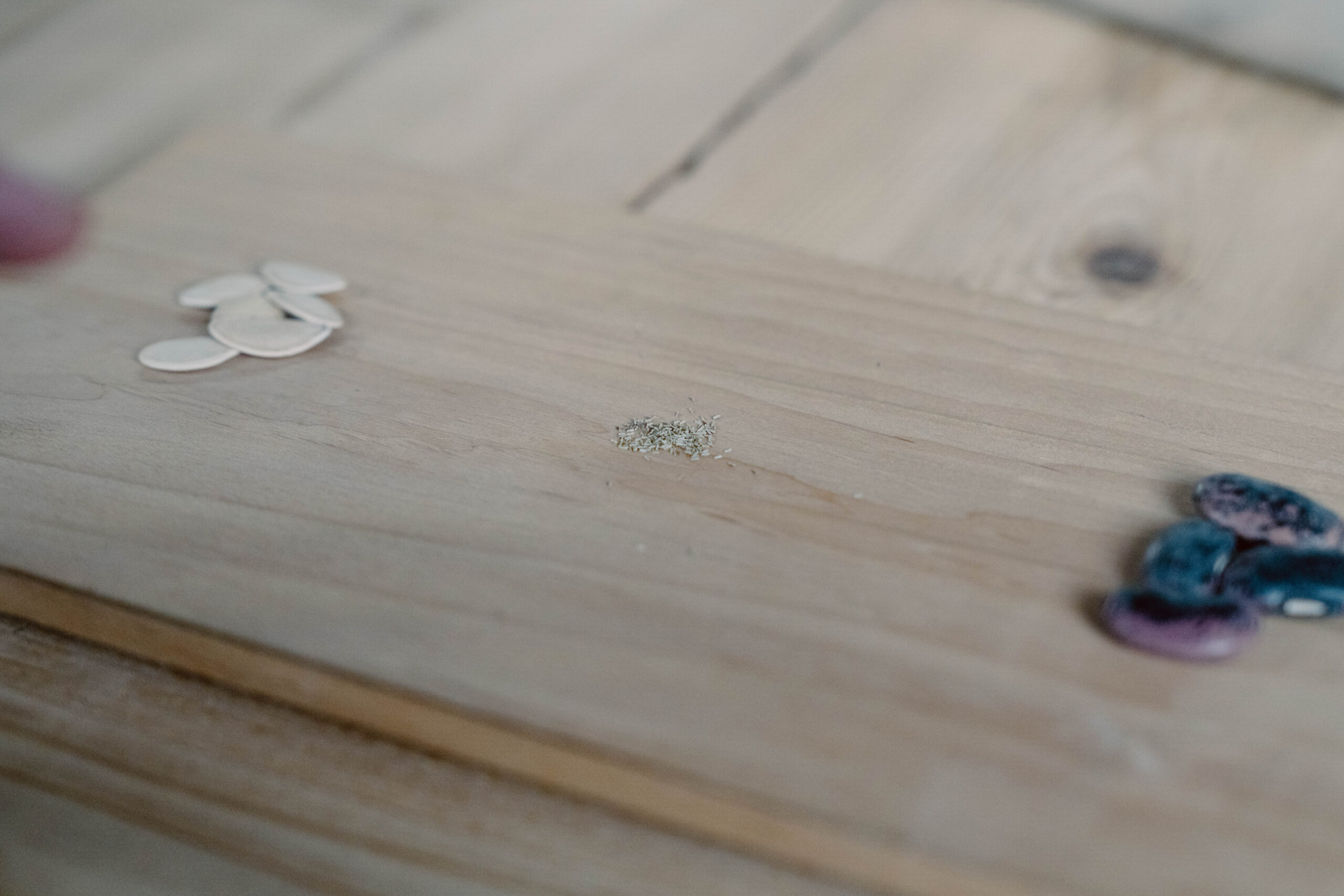
Most beginners start with seed packets, but you don’t want to be dependent on buying all your seeds every year. Besides, those little packets don’t tell you what to look for if you’re trying to save seeds. So how do you save cucumber seeds from your garden?
Why You Can't Save Seeds From a Table-Ready Cucumber
This is your simple test: If your produce looks good enough to eat, the seeds are not yet mature. Those underdeveloped seeds won’t store or germinate well. If your goal is to collect seeds, plan to leave some fruit on the vine until it’s clearly overripe.
What to Look for in a Seed-Ready Cucumber
A cucumber ready for seed saving will be:
- yellow-brown with rough and tough skin
- soft and starting to turn mushy
The color change is the key sign that the seeds have reached full maturity. It’s a good idea to leave the fruit on the vine for several weeks past the color change to ensure fully mature seeds. It sure won’t look appetizing, but better overripe than underripe.
Important: Open-Pollinated and Heirloom Varieties Only
If you know you want to save seeds, buy seed varieties labeled “open-pollinated” and/or “heirloom.” These varieties produce seeds that will breed ‘true to type,’ and this is what you need.
On the other hand, hybrid seeds (which you’re more likely to find at the big box stores) don’t grow offspring that necessarily resemble the parent plants, and in fact, might not yield any fruit at all.
Seed saving is an essential gardening skill, but not enough of us are practicing this lost art. Take it from Will Bonsall, director of the Scatterseed Project: there are lots of reasons to get into seed saving. He has been saving seeds for over 50 years and he does a beautiful job of training the next generation of gardeners in his Seed Saving class inside the School of Traditional Skills. He walks through the full process – variety selection, processing, and long-term storage – and will give you the confidence to start saving a lot more than just your cucumber seeds!
Seed Saving
Join Will Bonsall, author, farmer, and 50-year seed saver as he shows you, step-by-step, how to save seeds from your garden plants year after year, so you never have to buy seeds again.
Quick-Reference Harvest Guide
Here is a side-by-side comparison of the signs that a cucumber is ready to pick, whether your plan is to eat it or save the seeds.
For Eating Cucumbers, Pick When:
- Skin is green, firm, and slightly glossy
- Size matches the variety's listed harvest length on seed packet
- No yellowing at the blossom end or along the body
- Seeds inside are still small and soft
For Seed-Saving Cucumbers, Wait Until:
- Skin has turned yellow-brown and feels rough or tough
- Flesh is soft or mushy inside
- The fruit has been on the vine several weeks past the edible stage
- When in doubt, leave it longer – better overripe than underripe for seed maturity
Processing Cucumber Seeds Once the Fruit Is Ready
We’re almost there! Now for the fun part. Grab your seed-ready cucumber and follow the steps below to get those seeds cleaned, saved, and stored for next year’s garden.
The Wet Fermentation Method
Like tomatoes, cucumbers require a wet fermentation process to save seeds. This breaks down the pulp and separates seeds from the surrounding membrane.
It’s an easy process with very little hands-on time, though it requires a two to three day fermentation, so just plan accordingly. The steps are:
- Cut the cucumber open and scoop out the seeds and the gel-like membrane they’re suspended in.
- Place the seeds and pulp into a labeled jar with a small amount of water covering all the seeds, and give it a stir.
- Leave the jar uncovered (or lightly covered with cheesecloth if fruit flies are lurking nearby) on the counter for two to three days until the contents become bubbly and scum forms at the top. The kitchen should be at 70–80°F (21–27°C), and the jar should start to smell.
- Gently mush the contents, then fill the jar with water. Stir and let the seeds settle to the bottom while the pulp rises to the top.
- Then pour the water and pulp off the top, stopping before you pour any seeds out. Refill, swish, and repeat the process until the water runs clear and all, or nearly all, of the pulp is gone.
- Drain with a colander or mesh strainer and spread the seeds on labeled newspaper or paper towels in a warm, dry place. Use your hands to break them up into individual seeds and allow the seeds to fully dry before storing.
Storage Basics
Once fully dry (residual moisture leads to mold), store these in a cool, dark, dry place in labeled paper envelopes or plastic food storage bags. Think attic, not basement or cellar. When properly stored, your cucumber seeds will remain viable for several years.
Commonly Asked Questions About Cucumber Harvesting
Once you see flowers, tiny cucumber fruits will soon appear and they will grow quickly. This usually takes only 8 to 12 days, depending on the variety.
Technically yes, but the texture and flavor will be soft and bitter instead of crisp and sweet. Better to let it go all the way to seed if it's an open-pollinated variety.
Slightly underripe cucumbers are still edible. Though they may lack flavor, they’re still more satisfying than fruit left on the vine too long. If the intent is to save seeds, an early harvest means the seeds won't be viable and should be tossed into your compost pile or fed to the chickens.
No. Only save seeds from heirloom or open-pollinated varieties, not hybrids. And then identify the plants that gave you the cucumbers you liked the most, and save seeds from those particular plants.
One More Thing
Picking cucumbers at the right stage means learning to read the plant. The “days to maturity” number on a seed packet is helpful, but the color, texture, and weight of the fruit can tell you what you need to know better than a calendar.
While that’s important, there’s an even deeper lesson. Gardeners who save seeds are not just saving money – they’re building up useful know-how and, ultimately, their family’s food security and self-reliance, the underlying theme behind Will Bonsall’s book and class on Seed Saving at the School of Traditional Skills.
With that in mind, the logical next step now that you’ve been introduced to wet fermentation is to apply it to the tomatoes growing in your garden. The process of saving tomato seeds is identical, and we walk through those steps and considerations here.
From one year to the next, you’ll be amazed to see how you can increase your family’s store of high quality seeds, and begin to grow more and more of your food with seeds that you have saved yourself. Instead of poring over seed catalogs and spending annually on seeds, you’ll have more time to apply towards learning about cucumber companion plants, and more money to put together those raised beds you’ve been meaning to tackle.
So keep building those skills, little by little. With patience and a willingness to learn, you’ll see that every season will teach you something new.
Seed Saving
Join Will Bonsall, author, farmer, and 50-year seed saver as he shows you, step-by-step, how to save seeds from your garden plants year after year, so you never have to buy seeds again.