Carolyn Thomas, a lifelong homesteader and co-founder of Homesteading Family, understands these fears well. She, too, was nervous about pressure canning until she took the time to really learn the method, eventually going on to teach traditional food preservation skills like pressure canning to a worldwide audience through her blog.
We’ll unpack those common concerns here, and make the case for why pressure canning is a skill anyone can learn.
This is the first article in our five-part Pressure Canning Series, based on Carolyn Thomas's Pressure Canning class. If you've already mastered water bath canning, this series is your next step.
Why So Many Home Canners Stop at Jam and Pickles
Most home canners start with water bath canning because it feels more approachable and low-stakes. The only thing you need to safely process all those high-acid foods is boiling water (and occasionally some lemon juice).
But low-acid foods like green beans, potatoes, broths, and meat can only be safely preserved using pressure canning, and this is where most beginners stall out. Carolyn Thomas explains it this way:
“A lot of people feel really intimidated about pressure canning. They've heard stories about pressure canners blowing up, and they're worried about making somebody sick.”
Carolyn hears these concerns often, but is quick to reassure her students. Not only are the stories people repeat about pressure canners usually decades old, but they’re also describing equipment that no longer exists. And yet, she fully sympathizes and admits that she was pretty terrified the first time she attempted pressure canning.
Carolyn's First Pressure Canning Disaster (and Why It Didn't Stop Her)
Carolyn's own canning journey started when she was a little girl, watching her mother turn her grandmother's fresh-picked apricots and plums into jam.
Like most people, she began with water bath canning. Once she had her own children and a garden, she quickly realized that jam and salsa weren't going to cut it if the goal was to feed the family full meals from the pantry. So she resolved to learn how to pressure can her low-acid, homegrown produce.
In the introduction to her class on Pressure Canning at the School of Traditional Skills, she recalls:
“When I started pressure canning, I was absolutely terrified of the pressure canner. I was pregnant the first time I tried, and I can remember it so clearly, because I got the pressure canner up to pressure, and the thing started jiggling and spewing steam everywhere. And I actually went out of the kitchen and hid around the corner because I was so scared to be in the same room with it.”
She goes on to share that she finished that batch, but remained so convinced she had done something wrong that she and her husband let the jars sit on the shelf, unopened, for two years before eventually throwing them away. Imagine the disappointment!
The frustration from that experience is what finally pushed her to learn the science behind the seemingly arbitrary safety rules, beginning with understanding the pH scale.
Pressure Canning
Join Carolyn Thomas from Homesteading Family as she shows you how to fill your pantry with safe, healthy, and delicious pressure-canned foods!
Pressure Canning vs. Water Bath Canning: Why Water Bath Canning Can't Do This Job
Without getting overly technical, let’s do as Carolyn did and take a closer look at the science of pressure canning. Specifically, we want to understand why a water bath canner can’t replace a pressure canner.
You probably remember the pH scale from grade school chemistry. It measures how acidic or alkaline a substance is, and ranges from 0 to 14, with 7 being neutral. Most foods are acidic, and fall somewhere in that 0–7 range. Molds, yeasts, and bacteria can also survive at certain acidity levels and temperatures, and this is where pH and temperature become important.
While mold and yeast (though not bacteria) can both withstand high acid environments, they can be killed off just with boiling water, or a temperature of 212°F (100°C). This explains why water bath canning works for high-acid foods like most fruits, tomatoes with added acid, or vinegar pickles (as we discussed in this water bath canning guide for beginners).
Bacteria like botulism can survive at higher pH levels (above 4.6 on the scale) and even a lengthy boiling water treatment won’t kill them all off. This is why your low-acid foods, including most vegetables, meats, and complete meals, require pressure canning. Killing that bacteria reliably requires reaching 240–250°F (116–121°C), a temperature only achievable at home inside a pressurized vessel. It’s thanks to this discovery that pressure canners and a whole slew of rigorous, scientifically-tested recipes now exist, allowing home preservers to pressure can safely and confidently.
“But Grandma Did It This Way:” Botulism and Home Canning
Despite the enormous risks involved in water bath canning low-acid foods, many families have a story about a beloved and skilled grandmother doing precisely this for decades without anyone getting sick. This is one of the most common objections to pressure canning that Carolyn hears, and she addresses the question head-on in her Pressure Canning class:
“Water bath canning can't consistently kill off all the bacteria that can survive inside that jar. That means things like botulism and while, yes, many people survived and got really lucky, it doesn't mean that everybody did. There are definitely recorded deaths from botulism in the early canning years. There is absolutely no reason to risk that in your family. […] Get your pressure canner and learn how to use it.”
The point is: chance survival is not the same as safety. A broken clock still gets the time right twice a day, and this well-intended approach may work many times until it fails. But those botulism failures were often fatal, and there were many recorded and documented in the decades before the development of modern pressure canning safety standards.
Now that we understand the science of pressure canning, there is no upside to exposing your own family to that danger. A pressure canner and tested recipes remove the guesswork entirely, so let’s turn now to the sources of those recipes.
How to Know a Recipe Is Actually Safe to Can
Pressure canning recipes list the type and quantity of ingredients that are safe to eat using the prescribed canning method and processing time. Simply put, use only tested, safety-approved recipes for water bath and pressure canning, and follow them exactly to the letter.
Sources for these recipes include the National Center for Home Food Preservation, Ball canning guides, and other publishers that specifically state their recipes are tested and approved.
On the other hand, if a recipe does not claim to be tested, treat it as a starting point for research, but don’t can from it directly.
Commonly Asked Questions About Pressure Canning Safety
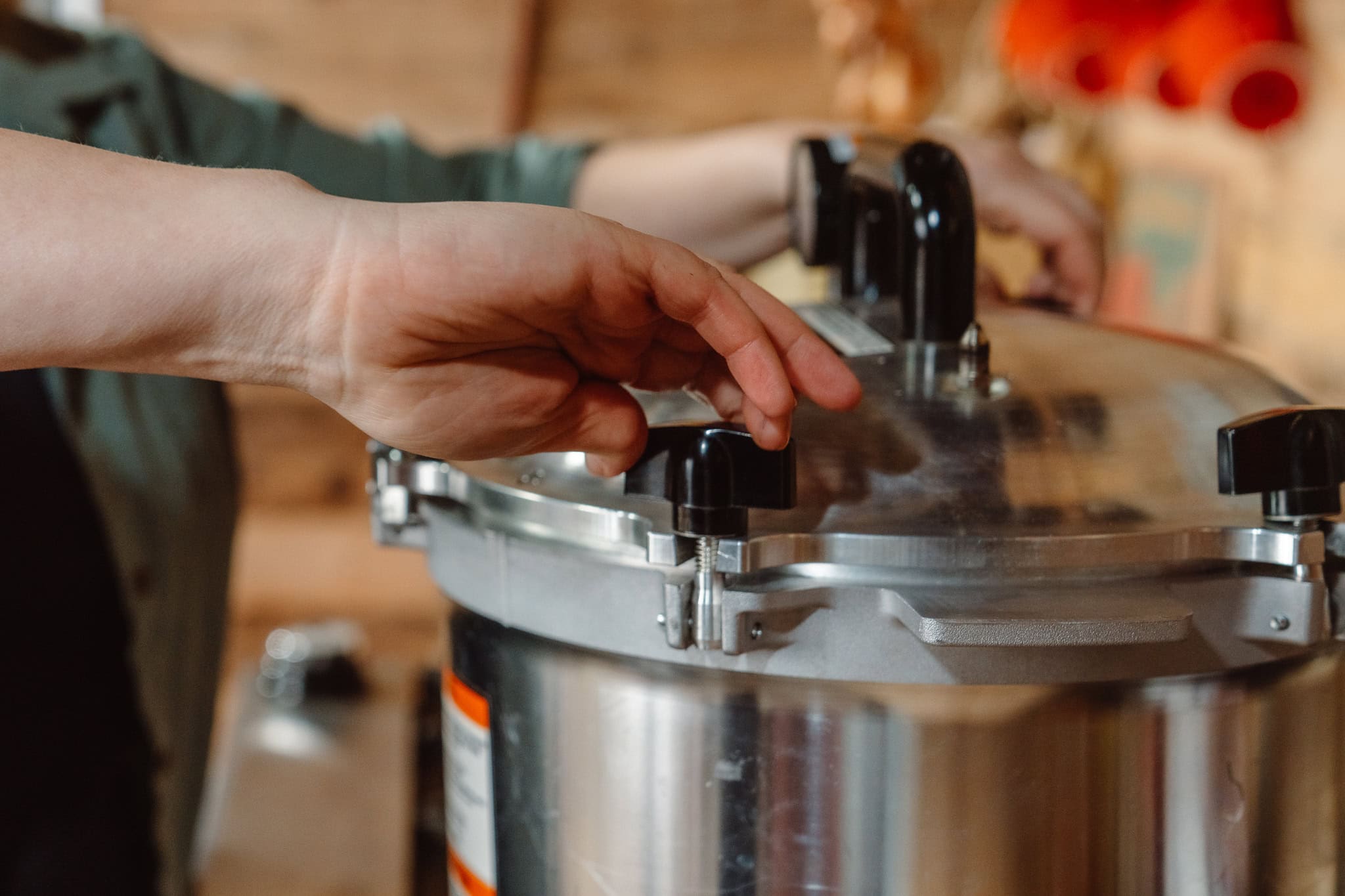
Yes, when you use a modern pressure canner, a tested recipe, and the correct pressure (and processing time) for your elevation. Modern canners are expertly designed pieces of equipment and include multiple fail-safe backups, including extra safety valves and gauges for releasing pressure. Bottom line: The risk in pressure canning comes from human error (inasmuch as steps are skipped or tested recipes aren’t used), not from the equipment itself.
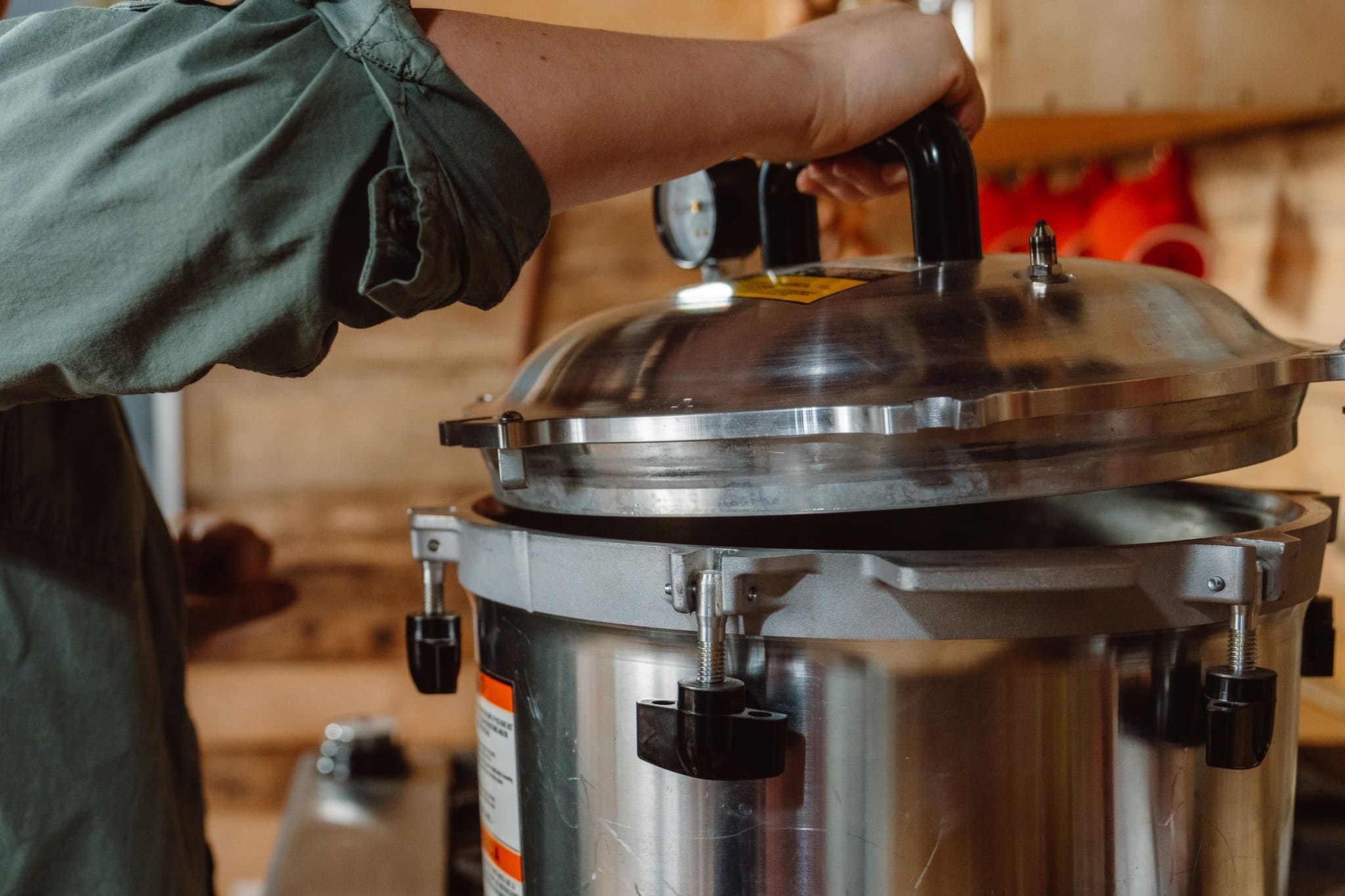
No. Modern pressure canners do not explode the way older models sometimes did decades ago. Today's canners have built-in safety features, including pressure relief valves and gauges designed to vent or release rather than fail catastrophically. Following the manufacturer's instructions and a tested recipe keeps the canner operating exactly as designed.
Water bath canning only reaches boiling water temperature (212°F, or 100°C), which kills mold and yeast but not the bacteria that can survive in low-acid foods. Vegetables, meat, and most complete meals fall above 4.6 on the pH scale, which means bacteria including botulism can survive in those jars. Killing that bacteria requires 240–250°F (116–121°C), a temperature only a pressure canner can reach in a home kitchen.
Water bath canning processes jars in boiling water and is appropriate only for high-acid foods like fruit, jam, and vinegar pickles. Pressure canning uses a sealed, pressurized vessel to reach higher temperatures, and this method is necessary for low-acid foods like vegetables, meat, and broths. Experienced canners know it’s the acidity of the food, and not personal preference, that determines which method they use.
Use only recipes labeled as tested and safety-approved, such as those from the National Center for Home Food Preservation or Ball canning guides. A tested recipe already accounts for the correct ingredients, acidity, and processing time, so you don't have to guess or calculate any of it yourself. If a recipe doesn't state that it has been tested, don’t use it for canning.
Water bath canning cannot kill off all the bacteria (including botulism) that can survive inside your jar. While many households never experienced a problem, not everyone survived these inconsistent methods. Botulism failures and deaths were documented during the years before modern canning science was developed. A pressure canner removes that risk entirely, so there is no reason to rely on luck when a safe, tested method is available.
One More Thing
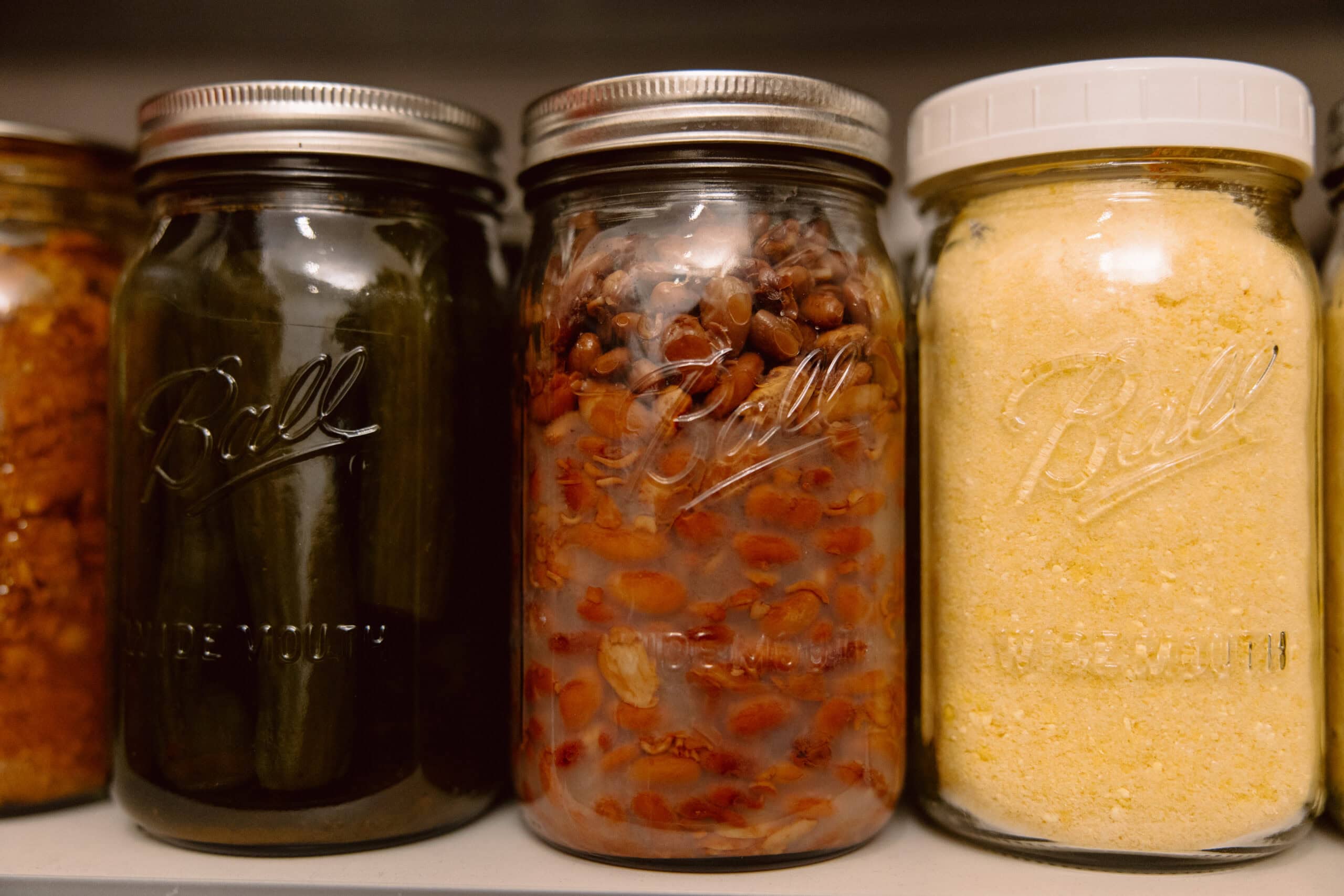
Now that you’re convinced pressure canning is worth the effort, pick one low-acid food you already grow or buy in bulk, whether that's green beans, chicken, or a soup base, and picture it filling your pantry shelf instead of your freezer. That's the payoff waiting on the other side of this fear.
Our next article on pressure canner basics and safety walks through exactly what equipment you need and how to pick the right pressure canner for your kitchen. Like any new skill, confidence follows practice. This series can help you get started, but when you're ready to see the full process in action, Carolyn Thomas walks through it step by step in her easy-to-follow Pressure Canning class.
Pressure Canning
Join Carolyn Thomas from Homesteading Family as she shows you how to fill your pantry with safe, healthy, and delicious pressure-canned foods!